




Do ebike batteries require any special maintenance?
As an ebike battery supplier, I've encountered numerous inquiries from customers regarding the maintenance of ebike batteries. This topic is not only crucial for the longevity and performance of the batteries but also for the overall satisfaction of ebike users. In this blog, I'll delve into the question of whether ebike batteries require special maintenance and provide some practical tips.
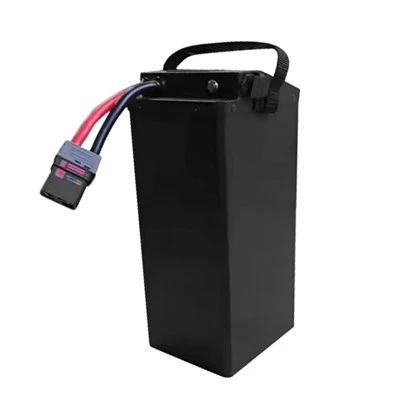
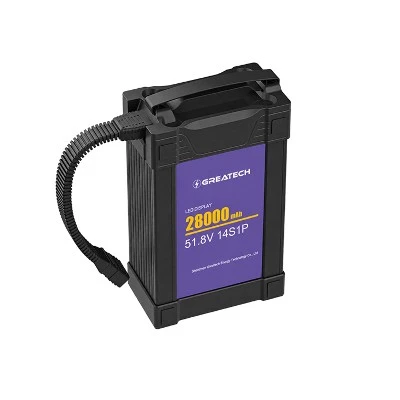
First, let's understand the common types of ebike batteries. Lithium - ion batteries, especially LiFePo4 (Lithium Iron Phosphate) batteries, are widely used in ebikes due to their high energy density, long cycle life, and relatively low self - discharge rate. For instance, we offer 3.2V 150Ah LiFePo4 Prismatic Battery and 3.2V 20Ah LiFePo4 Prismatic Battery, which are popular choices among our customers.
So, do these batteries need special maintenance? The answer is yes, to some extent.
Temperature Management
One of the most critical aspects of ebike battery maintenance is temperature management. Extreme temperatures can have a significant impact on the performance and lifespan of the battery. High temperatures accelerate the chemical reactions inside the battery, which can lead to faster degradation of the battery cells. On the other hand, low temperatures reduce the battery's capacity and can cause the battery to discharge more quickly.
For example, if you leave your ebike in a hot car or under direct sunlight for an extended period, the battery temperature can rise to dangerous levels. To prevent this, it's advisable to store your ebike in a cool, dry place. If you're using your ebike in hot weather, try to take breaks and let the battery cool down.
In cold weather, it's also important to take precautions. You can insulate the battery to keep it warm, or bring the battery indoors when not in use. Some advanced ebike batteries come with built - in temperature management systems, but for most standard batteries, manual temperature control is necessary.
Charging Habits
Proper charging habits are essential for the health of your ebike battery. Overcharging and undercharging can both cause damage to the battery cells. Most modern ebike batteries are equipped with a battery management system (BMS) that helps prevent overcharging. However, it's still a good practice not to leave the battery on the charger for an extended period after it's fully charged.
It's recommended to charge the battery regularly, even if you don't use the ebike frequently. Lithium - ion batteries prefer to be kept at a moderate state of charge. A good rule of thumb is to keep the battery charge between 20% and 80%. This way, you can avoid the stress on the battery cells that comes with full discharges and full charges.
When charging, use the charger that comes with the battery. Using an incompatible charger can damage the battery and void the warranty. Also, make sure the charging environment is clean and dry to prevent any short - circuits.
Storage
If you're not going to use your ebike for an extended period, proper storage of the battery is crucial. First, charge the battery to about 50% before storing it. This helps to prevent the battery from self - discharging to a critically low level, which can damage the cells.
Store the battery in a cool, dry place. Avoid storing it in areas with high humidity, as moisture can corrode the battery terminals and other components. It's also a good idea to check the battery charge level every few months and recharge it if necessary.
Physical Inspection
Regular physical inspection of the battery is also important. Check for any signs of damage, such as cracks, leaks, or bulges. If you notice any of these signs, stop using the battery immediately and contact a professional for assistance. A damaged battery can be a safety hazard, as it may pose a risk of fire or explosion.


Inspect the battery terminals for corrosion. If you find any corrosion, you can clean it with a mixture of baking soda and water. Use a soft brush to gently scrub the terminals, and then dry them thoroughly before reconnecting the battery.
Other Considerations
In addition to the above points, there are some other factors to consider. For example, the type of riding you do can also affect the battery's lifespan. Aggressive riding, such as frequent acceleration and braking, can put more stress on the battery and cause it to wear out faster.
Another aspect is the weight of the rider and any additional cargo. Carrying heavy loads requires more power from the battery, which can lead to faster battery depletion and more wear on the cells.
As an ebike battery supplier, we are committed to providing high - quality batteries and offering professional advice on battery maintenance. Our 12V 30Ah 690CCA Sodium - ion Automotive Battery for Car is also designed with durability and performance in mind, and similar maintenance principles apply.
In conclusion, while ebike batteries are relatively low - maintenance compared to some other types of batteries, they still require special attention. By following the tips mentioned above, you can ensure the longevity and performance of your ebike battery.
If you're interested in purchasing high - quality ebike batteries or have any questions about battery maintenance, please feel free to contact us. We're always here to help you make the best choice for your ebike and ensure that your battery performs at its best for years to come.
References:
- Battery University: A comprehensive resource for battery knowledge and maintenance tips.
- Ebike manufacturers' user manuals: Provide specific information about the batteries they use and recommended maintenance procedures.