




Hey there, folks! I'm really excited to chat with you today about how battery cells work in agricultural equipment. As a battery cells supplier, I've seen firsthand how these little powerhouses are revolutionizing the farming industry.
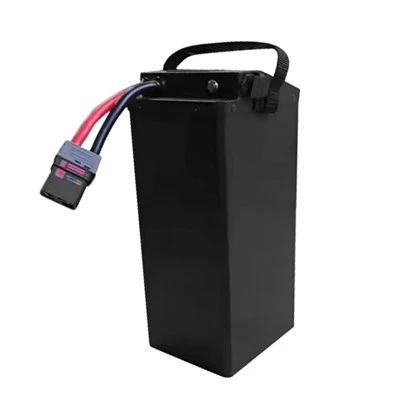
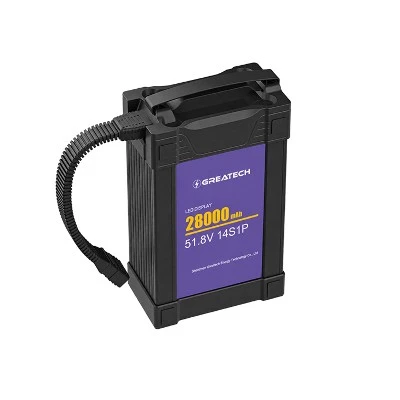
Let's start with the basics. You might be wondering, what exactly is a battery cell? Well, think of it as the building block of a battery. It's a single unit that can store and release electrical energy. When you put a bunch of these cells together, you get a battery pack, which is what you'll find powering all sorts of agricultural equipment.
Now, there are different types of battery cells out there, but one of the most popular ones in the agricultural world is the lithium - ion battery cell, especially the LiFePO4 (lithium iron phosphate) type. These cells have some pretty amazing advantages.
First off, they have a high energy density. What does that mean? It means they can store a lot of energy in a relatively small and lightweight package. This is super important for agricultural equipment because farmers need machines that are easy to move around the fields. Whether it's a small handheld device like a soil moisture sensor or a larger piece of equipment like an electric tractor, having a lightweight battery pack can make a huge difference in terms of maneuverability.
Another great thing about LiFePO4 battery cells is their long lifespan. They can handle a large number of charge - discharge cycles without losing much of their capacity. In the agricultural setting, where equipment is often used intensively, this is a major plus. You don't want to be constantly replacing batteries, as it can be costly and time - consuming.
So, how do these battery cells actually work in agricultural equipment? Let's take a look at the process step by step.
When you charge a battery cell, you're essentially forcing electrons to move from one electrode (the cathode) to another (the anode). In a LiFePO4 battery cell, lithium ions also move from the cathode to the anode through an electrolyte. The electrolyte is a substance that allows the ions to move freely between the electrodes.
Once the battery is fully charged, it's ready to power your agricultural equipment. When you turn on the equipment, a chemical reaction occurs inside the battery cell. The lithium ions start moving back from the anode to the cathode through the electrolyte, and as they do, they release electrons. These electrons flow through an external circuit, which is connected to the equipment, and provide the electrical energy needed to make the equipment work.
Let's talk about some specific examples of agricultural equipment that use battery cells.
One common piece of equipment is the electric weed trimmer. These trimmers are great for getting rid of weeds in between rows of crops. Instead of using a gas - powered engine, which can be noisy, smelly, and require a lot of maintenance, an electric weed trimmer runs on a battery pack. The battery cells in the pack provide the power to spin the trimmer's cutting blade. And because of the high energy density of LiFePO4 cells, the trimmer can run for a decent amount of time on a single charge.
Another example is the electric sprayer. Farmers use sprayers to apply pesticides, fertilizers, or water to their crops. An electric sprayer powered by battery cells is more convenient and environmentally friendly than a traditional gas - powered sprayer. The battery pack provides the energy to pump the liquid through the sprayer's nozzle. And again, the long lifespan of LiFePO4 cells means that farmers don't have to worry about replacing the battery too often.
Now, if you're in the market for a reliable battery for your agricultural equipment, I'd like to recommend our 12V 4.5Ah LiFePO4 Lithium Battery. This battery is specifically designed to meet the needs of agricultural applications. It has a high energy density, so it can power your equipment for a long time. It also has a long cycle life, which means you'll get a lot of use out of it before you need to replace it.
Whether you're a small - scale farmer with a few acres of land or a large - scale commercial operation, having the right battery cells for your equipment is crucial. It can improve the efficiency of your farming operations, reduce your maintenance costs, and even help you be more environmentally friendly.
If you're interested in learning more about our battery cells or have any questions about how they can work in your agricultural equipment, don't hesitate to reach out. We're here to help you find the perfect power solution for your needs.


In conclusion, battery cells are playing an increasingly important role in the agricultural industry. With their high energy density, long lifespan, and other great features, they're a smart choice for powering all sorts of agricultural equipment. So, if you're looking to upgrade your equipment or start using more electric - powered machines, consider investing in quality battery cells.
References
- Battery University: A great resource for in - depth information about battery technology.
- Agricultural Equipment Manufacturers' Associations: Their publications often have articles on the latest trends in powering agricultural equipment.