




As a 6V battery supplier, I often receive inquiries from customers about how to store 6V batteries for a long time. Proper long - term storage is crucial for maintaining the performance and lifespan of these batteries. In this blog, I'll share some professional insights and practical tips on this topic.
Understanding the Basics of 6V Batteries
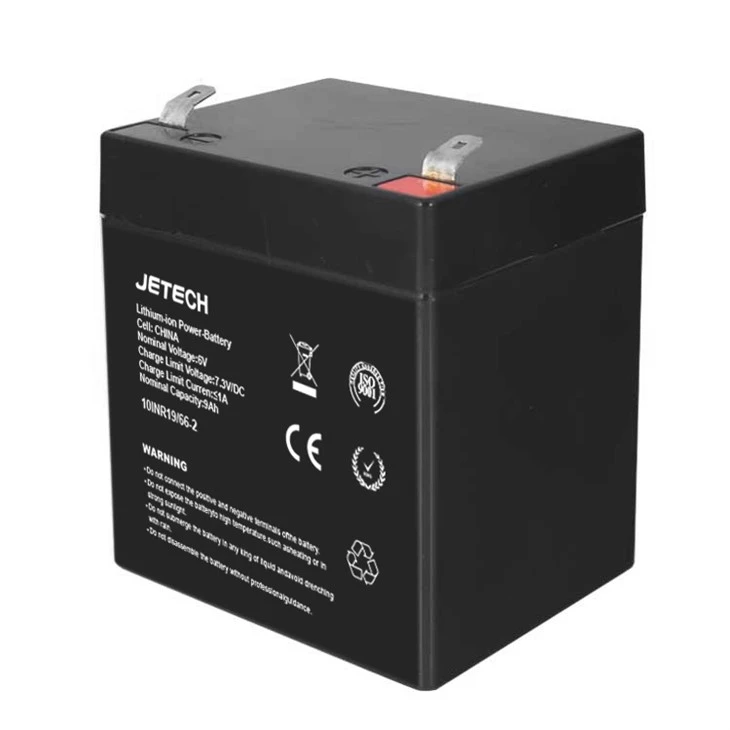
Before delving into storage methods, it's essential to understand the types of 6V batteries available. We offer a variety of 6V batteries, such as the 6V 12Ah Battery, 6V 4Ah Battery, and 6V 9Ah Battery. These batteries are commonly used in various applications, including small electronic devices, toys, and some backup power systems.
Most 6V batteries are lead - acid batteries, which have a chemical reaction inside to store and release energy. During storage, these chemical reactions can still occur at a slow rate, which may lead to self - discharge and other issues if not properly managed.
Pre - storage Preparation
- Charge the Battery Fully
Before storing the 6V battery, it should be fully charged. A fully charged battery is more resistant to sulfation, a common problem in lead - acid batteries where lead sulfate crystals form on the battery plates. Sulfation can reduce the battery's capacity and performance over time. Use a suitable charger designed for 6V batteries to ensure a proper and complete charge. - Clean the Battery
Inspect the battery for any dirt, corrosion, or debris on the surface. Use a clean, dry cloth to wipe the battery clean. If there is corrosion on the terminals, you can use a mixture of baking soda and water to neutralize the acid and then rinse it off with clean water. Make sure the battery is completely dry before storage. - Check for Damage
Examine the battery for any signs of physical damage, such as cracks or leaks. A damaged battery should not be stored as it may pose a safety hazard. If you find any damage, it's best to dispose of the battery properly according to local regulations.
Ideal Storage Conditions
- Temperature
The temperature plays a significant role in battery storage. The ideal temperature range for storing 6V batteries is between 10°C and 25°C (50°F and 77°F). At lower temperatures, the chemical reactions inside the battery slow down, reducing self - discharge. However, extremely low temperatures can cause the electrolyte in the battery to freeze, which can damage the battery. On the other hand, high temperatures can accelerate self - discharge and chemical reactions, leading to faster degradation of the battery. - Humidity
Keep the storage environment dry. High humidity can cause corrosion on the battery terminals and other metal parts. Aim for a relative humidity of less than 60%. You can use a dehumidifier in the storage area if necessary. - Ventilation
Good ventilation is important to prevent the accumulation of hydrogen gas, which is produced during the charging and discharging process of lead - acid batteries. Make sure the storage area is well - ventilated to avoid potential explosion hazards.
Storage Methods
- Store in a Cool, Dry Place
Find a location that meets the temperature and humidity requirements mentioned above. A basement or a storage closet can be suitable as long as it is not prone to flooding or extreme temperature fluctuations. Avoid storing the battery near heat sources, such as radiators or direct sunlight. - Isolate the Battery
Store the battery separately from other objects to prevent short - circuits. If you need to stack multiple batteries, make sure they are properly insulated from each other. You can use non - conductive materials, such as plastic sheets or foam, between the batteries. - Periodic Maintenance
Even during storage, the battery will self - discharge over time. It's recommended to check the battery's charge level every 3 - 6 months. If the charge level drops below a certain threshold (usually around 80% of the full charge), recharge the battery to maintain its performance.
Re - using the Stored Battery
When you are ready to use the stored 6V battery again, first check its charge level. If it is fully charged, you can directly use it in your device. If not, recharge the battery using a suitable charger. It's also a good idea to perform a capacity test on the battery to ensure it is still functioning properly.
Common Mistakes to Avoid
- Storing a Discharged Battery
Storing a discharged battery for a long time can lead to severe sulfation and permanent damage. Always make sure the battery is fully charged before storage. - Ignoring Storage Conditions
Failure to maintain the proper temperature, humidity, and ventilation can significantly reduce the battery's lifespan. Pay close attention to these factors to ensure the best storage results. - Not Performing Periodic Checks
Neglecting to check the battery's charge level and condition during storage can result in unexpected battery failure when you need it. Regular checks are essential for long - term battery health.
Conclusion
Proper long - term storage of 6V batteries is essential to maintain their performance and lifespan. By following the pre - storage preparation steps, providing ideal storage conditions, and performing periodic maintenance, you can ensure that your 6V batteries are in good condition when you need them.
If you have any further questions about 6V battery storage or are interested in purchasing our high - quality 6V batteries, such as the 6V 12Ah Battery, 6V 4Ah Battery, or 6V 9Ah Battery, feel free to contact us for more information and to start a procurement negotiation.

References
- Battery Council International. (2023). Battery Storage Guidelines.
- Trojan Battery Company. (2023). Best Practices for Battery Storage.