





Hey there! As a 24V battery supplier, I get a ton of questions about how to charge these batteries. It's super important to charge them correctly to make sure they last a long time and work at their best. So, let's dive into the nitty - gritty of charging a 24V battery.
Understanding Your 24V Battery
First things first, you gotta know what kind of 24V battery you've got. There are different types, like lead - acid, lithium - ion, and nickel - cadmium. Each type has its own charging requirements.
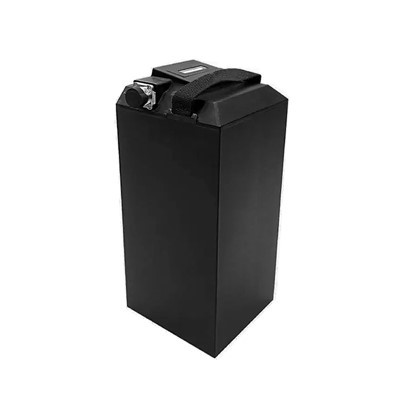
Lead - acid batteries are pretty common. They're used in a lot of applications, from backup power systems to golf carts. These batteries are usually made up of multiple 2V cells connected in series to get that 24V output. You can check out our 24V 500Ah Battery, 24V 400Ah Battery, and 24V 200Ah Battery options if you're in the market for a lead - acid 24V battery.


Lithium - ion batteries, on the other hand, are lighter and have a higher energy density. They're great for portable devices and electric vehicles. But they need a more precise charging process to avoid overcharging or overheating.
Nickel - cadmium batteries are less common these days, but they're still used in some industrial applications. They can handle a lot of charge - discharge cycles, but they have a "memory effect" which means you need to fully discharge them sometimes to keep them working well.
Choosing the Right Charger
Once you know what type of 24V battery you have, it's time to pick the right charger. You can't just use any old charger; it has to be compatible with your battery type.
For lead - acid batteries, you'll want a charger that has a three - stage charging process: bulk charge, absorption charge, and float charge. The bulk charge is when the charger pumps in a lot of current to quickly bring the battery up to about 80% of its capacity. The absorption charge then slows down the current and focuses on fully charging the battery. Finally, the float charge keeps the battery at a full charge without overcharging it.
Lithium - ion batteries need a charger that can control the voltage and current precisely. Overcharging a lithium - ion battery can be dangerous, so make sure your charger has built - in safety features.
Nickel - cadmium batteries usually require a charger that can handle a constant - current charging process. Some chargers also have a desulfation mode to deal with the memory effect.
Pre - charging Checks
Before you start charging your 24V battery, there are a few things you should check. First, look at the battery for any signs of damage, like cracks or leaks. If you see any damage, don't try to charge the battery; it could be dangerous.
Next, check the electrolyte level if you have a lead - acid battery. The electrolyte should cover the plates inside the battery. If it's low, you can add distilled water, but be careful not to overfill it.
Also, make sure the battery terminals are clean. Corroded terminals can prevent the charger from working properly. You can use a wire brush to clean the terminals and then apply some terminal grease to prevent future corrosion.
The Charging Process
Now, let's get into the actual charging process. Connect the charger to the battery following the manufacturer's instructions. Usually, you'll connect the positive charger lead to the positive battery terminal and the negative charger lead to the negative battery terminal.
For lead - acid batteries, start the charger and let it go through the three - stage charging process. This might take several hours, depending on how discharged the battery is. You can monitor the battery voltage and temperature during the charging process. If the battery gets too hot, stop the charging and let it cool down.
Lithium - ion batteries should be charged in a well - ventilated area. Keep an eye on the charger's display to make sure the charging is going smoothly. Once the battery is fully charged, the charger should automatically stop.
Nickel - cadmium batteries can be charged relatively quickly, but make sure the charger doesn't overheat them. If you're using a charger with a desulfation mode, you can use it every once in a while to keep the battery in good condition.
Post - charging Checks
After the battery is fully charged, disconnect the charger carefully. Check the battery voltage again to make sure it's at the right level. For a fully charged 24V lead - acid battery, the voltage should be around 25.2 - 25.8V.
If you have a lead - acid battery, you can also check the specific gravity of the electrolyte using a hydrometer. This will give you an idea of how well the battery is charged.
Let the battery rest for a while before you use it. This allows the battery to stabilize and ensures that you get the most out of it.
Tips for Long - term Battery Health
To keep your 24V battery in good shape for a long time, there are a few things you can do. Don't let the battery sit in a discharged state for too long. If you're not going to use the battery for a while, charge it up and then store it in a cool, dry place.
Avoid overcharging or undercharging the battery. Overcharging can damage the battery plates, and undercharging can lead to sulfation in lead - acid batteries.
Regularly check the battery and perform maintenance tasks like cleaning the terminals and checking the electrolyte level.
Conclusion
Charging a 24V battery isn't rocket science, but it does require some knowledge and attention to detail. By understanding your battery type, choosing the right charger, doing pre - and post - charging checks, and following the proper charging process, you can keep your battery working well for a long time.
If you're interested in purchasing a 24V battery or have any questions about charging or battery maintenance, feel free to reach out. We're here to help you make the best choice for your needs.
References
- Battery University: A great resource for all things battery - related.
- Manufacturer's manuals for 24V batteries and chargers.