




As a supplier of 48V batteries, I understand the critical importance of ensuring the health of these power sources. A 48V battery is commonly used in a variety of applications, from electric vehicles to renewable energy storage systems. Monitoring its health not only extends its lifespan but also guarantees optimal performance and safety. In this blog post, I'll share some practical methods on how to check the health of a 48V battery.
1. Visual Inspection
The first step in assessing the health of a 48V battery is a visual inspection. This simple yet effective method can reveal a lot about the battery's condition.
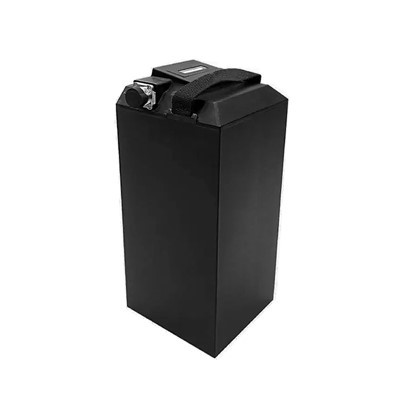
- Check for Physical Damage: Look for any signs of cracks, dents, or bulges on the battery casing. Physical damage can compromise the integrity of the battery and may lead to internal short - circuits or electrolyte leakage. For example, if the battery has been dropped or subjected to excessive vibration, it's possible that the internal structure has been damaged.
- Inspect the Terminals: Examine the battery terminals for corrosion or loose connections. Corroded terminals can increase resistance, which in turn can cause voltage drops and reduced charging efficiency. You can use a wire brush to clean the terminals if you notice any corrosion. Make sure the terminals are tightly connected to prevent power loss.
- Look for Leakage: Check for any signs of electrolyte leakage around the battery. Leakage can indicate a problem with the battery's seals or internal components. If you detect a strange smell or see a white, powdery substance around the battery, it could be a sign of electrolyte leakage. In such cases, it's important to handle the battery with care and consider replacing it.
2. Measuring Voltage
Voltage measurement is one of the most basic and important ways to check the health of a 48V battery.
- Use a Multimeter: A multimeter is a handy tool for measuring the voltage of a battery. Set the multimeter to the DC voltage setting and connect the positive and negative probes to the corresponding battery terminals. A fully charged 48V lithium - ion battery typically has a voltage of around 54.6V. If the measured voltage is significantly lower than this value, it could indicate that the battery is not fully charged or has a problem.
- Understand Voltage - State of Charge Relationship: The voltage of a battery is directly related to its state of charge (SOC). By comparing the measured voltage with the known voltage - SOC curve for the specific type of battery, you can estimate the battery's SOC. For example, if the measured voltage is 48V, it might indicate that the battery is around 50 - 60% charged, depending on the battery chemistry.
- Perform a Load Test: A load test can provide more information about the battery's ability to deliver power under a real - world load. You can use a load tester to apply a specific load to the battery and measure the voltage drop. If the voltage drops too quickly during the load test, it could mean that the battery has a high internal resistance or is nearing the end of its life.
3. Measuring Internal Resistance
Internal resistance is another important parameter that reflects the health of a 48V battery.
- Use an Internal Resistance Tester: An internal resistance tester can measure the internal resistance of the battery. As a battery ages or becomes damaged, its internal resistance tends to increase. A high internal resistance can lead to reduced charging and discharging efficiency, as well as increased heat generation during operation.
- Understand the Significance of Internal Resistance: High internal resistance can cause the battery to heat up more during charging and discharging, which can further accelerate the degradation of the battery. It can also result in a lower output voltage under load, reducing the performance of the equipment powered by the battery.
- Compare with Manufacturer's Specifications: Compare the measured internal resistance with the manufacturer's specifications for the battery. If the internal resistance is significantly higher than the recommended value, it could be a sign that the battery needs to be replaced.
4. Capacity Testing
Capacity testing is a more comprehensive way to evaluate the health of a 48V battery.
- Discharge the Battery: To perform a capacity test, you need to discharge the battery at a constant current until it reaches a specified cut - off voltage. You can use a battery discharger to control the discharge current. By measuring the time it takes for the battery to discharge and the discharge current, you can calculate the battery's capacity.
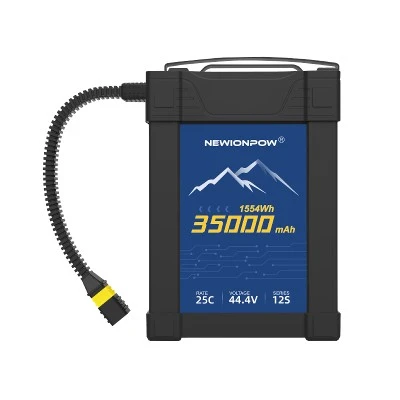
- Compare with Rated Capacity: Compare the measured capacity with the rated capacity of the battery. If the measured capacity is significantly lower than the rated capacity, it indicates that the battery has lost its ability to store and deliver energy. For example, if a 48V 35Ah Lithium Ion Battery has a measured capacity of only 25Ah, it means that the battery has degraded and may need to be replaced.
- Consider the Discharge Rate: The discharge rate can also affect the measured capacity. Different batteries have different performance characteristics at different discharge rates. It's important to perform the capacity test at a rate that is representative of the battery's normal operating conditions.
5. Using a Battery Management System (BMS)
A Battery Management System (BMS) is an intelligent device that can provide detailed information about the health of a 48V battery.
- Monitor Battery Parameters: A BMS can monitor various parameters of the battery, such as voltage, current, temperature, and state of charge. It can also detect and protect against over - charging, over - discharging, and short - circuits. Some BMSs can even provide real - time data on the battery's health, which can be very useful for predicting battery failure.
- Analyze BMS Data: By analyzing the data collected by the BMS, you can gain a better understanding of the battery's performance and health. For example, if the BMS shows that the battery is frequently operating at high temperatures or experiencing over - charging, it could indicate a problem with the charging system or the battery itself.
- Update the BMS Firmware: Regularly updating the BMS firmware can ensure that it functions properly and provides accurate information. The manufacturer may release firmware updates to improve the BMS's performance or add new features.
6. Temperature Monitoring
Temperature is an important factor that can affect the health and performance of a 48V battery.


- Use a Temperature Sensor: You can use a temperature sensor to monitor the temperature of the battery. High temperatures can accelerate the degradation of the battery and reduce its lifespan. A lithium - ion battery typically operates best at temperatures between 20°C and 40°C. If the temperature exceeds 60°C, it can cause significant damage to the battery.
- Understand the Impact of Temperature on Battery Performance: At low temperatures, the battery's capacity and charging efficiency can be reduced. The internal resistance of the battery increases, which can lead to slower charging and discharging. On the other hand, high temperatures can cause the electrolyte to break down and the electrodes to degrade.
- Implement Temperature Control Measures: To maintain the optimal temperature of the battery, you can implement temperature control measures such as using a cooling system or insulating the battery. For example, in an electric vehicle, the battery pack may be equipped with a liquid - cooling system to keep the temperature within a safe range.
7. Cycling History
The cycling history of a battery can also provide valuable information about its health.
- Keep Track of Charge - Discharge Cycles: Most batteries have a limited number of charge - discharge cycles. Keeping track of the number of cycles can help you estimate the remaining lifespan of the battery. For example, a lithium - ion battery may have a rated cycle life of 1000 - 2000 cycles. If the battery has already gone through a large number of cycles, it's more likely to experience performance degradation.
- Analyze the Depth of Discharge (DOD): The depth of discharge also affects the battery's lifespan. Frequent deep discharges can cause more stress on the battery and reduce its cycle life. It's generally recommended to keep the DOD below 80% to extend the battery's lifespan.
- Consider the Charging Rate: The charging rate can also impact the battery's health. Charging the battery at a high rate can generate more heat and cause more stress on the internal components. It's advisable to follow the manufacturer's recommended charging rate to ensure the longevity of the battery.
Conclusion
Checking the health of a 48V battery is a multi - faceted process that involves visual inspection, voltage measurement, internal resistance measurement, capacity testing, and other methods. By regularly monitoring the battery's health, you can detect potential problems early and take appropriate measures to extend its lifespan and ensure optimal performance.
If you're in the market for high - quality 48V batteries, we offer a range of products, including 48V 20Ah Lithium Ion Battery, 48V 24Ah Lithium Ion Battery, and 48V 35Ah Lithium Ion Battery. Our batteries are designed to meet the highest standards of quality and performance. If you have any questions or are interested in purchasing our products, please feel free to contact us for more information and to start a procurement discussion.
References
- Linden, D., & Reddy, T. B. (2002). Handbook of Batteries. McGraw - Hill.
- Ravi, V., & Venkatesan, R. (2018). Lithium - Ion Batteries: Science and Technologies. Springer.