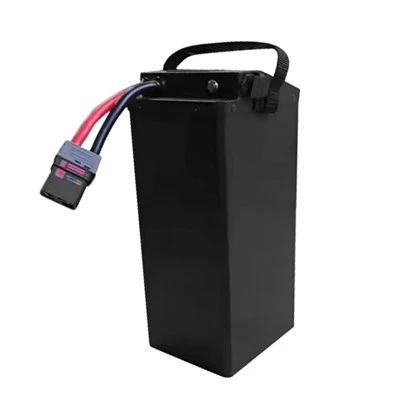



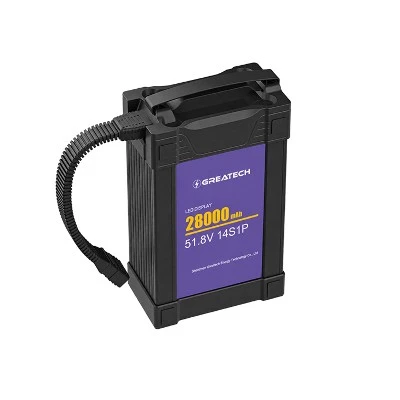


Hey there! As a supplier of 24V 500Ah batteries, I've seen firsthand how important it is to ensure these powerhouses reach their destination safely. These batteries are like the workhorses of the energy world, used in all sorts of applications, from solar power systems to electric vehicles. But transporting them can be a bit of a tricky business. In this blog, I'll share some tips on how to make sure your 24V 500Ah battery gets where it's going without any hitches.
Understanding the Risks
First things first, let's talk about why we need to be so careful when transporting these batteries. A 24V 500Ah battery is a large and powerful piece of equipment. It contains a significant amount of energy, and if not handled properly, it can pose some serious risks. For example, there's the risk of short - circuits, which can lead to overheating, fires, or even explosions. Also, the battery's electrolyte can leak, which is not only messy but can be corrosive and harmful to the environment.
Pre - transport Checks
Before you even think about loading the battery onto a vehicle, you need to do a thorough check. Start by inspecting the battery for any visible damage. Look for cracks in the casing, loose terminals, or any signs of leakage. If you find any damage, don't transport the battery until it's been repaired or replaced.
Next, make sure the battery is fully charged or at least at an appropriate charge level. A battery that's too low on charge can be more prone to damage during transportation. And don't forget to check the electrolyte levels if it's a flooded lead - acid battery. If the levels are low, top them up with distilled water as per the manufacturer's instructions.
Packaging
Proper packaging is crucial for the safe transportation of a 24V 500Ah battery. The battery should be placed in a sturdy, shock - absorbing container. You can use a custom - made battery box or a heavy - duty plastic crate. Line the container with foam or other cushioning materials to protect the battery from impacts.
It's also important to secure the battery inside the container. Use straps or brackets to keep it in place so that it doesn't move around during transit. This will prevent any internal damage to the battery caused by shifting.
Terminal Protection
The battery terminals are one of the most vulnerable parts. To prevent short - circuits, you need to protect them. You can use terminal covers made of plastic or rubber. These covers will insulate the terminals and prevent them from coming into contact with any conductive materials.
Another option is to use electrical tape to cover the terminals. Just make sure it's a high - quality tape that won't come off easily. If you're transporting multiple batteries, make sure they're arranged in a way that the terminals don't touch each other.
Transportation Mode
The choice of transportation mode can also affect the safety of the battery. If you're transporting the battery locally, a truck or van might be a good option. Make sure the vehicle is well - ventilated to prevent the build - up of any potentially explosive gases.
For long - distance or international transportation, you might need to consider shipping by air or sea. However, there are strict regulations for shipping batteries by air. You'll need to make sure the battery meets all the requirements set by the International Air Transport Association (IATA). When shipping by sea, you'll need to follow the regulations of the International Maritime Dangerous Goods (IMDG) Code.


Labeling and Documentation
When transporting a 24V 500Ah battery, proper labeling and documentation are essential. The container should be labeled clearly with information such as the battery's voltage, capacity, and any relevant hazard warnings. This will help the handlers to take the necessary precautions.
You also need to have the right documentation. This includes a safety data sheet (SDS) that provides detailed information about the battery, its components, and any potential hazards. Make sure all the documentation is accurate and up - to - date.
Handling During Transit
During transit, the battery needs to be handled with care. The handlers should be trained in how to handle batteries safely. They should know how to lift the battery properly to avoid any physical damage.
If the battery is being loaded or unloaded, use appropriate lifting equipment such as forklifts or hoists. Make sure the equipment is in good working condition and that the operators are experienced.
Monitoring
It's a good idea to monitor the battery during transportation, especially for long - distance shipments. You can use sensors to monitor the battery's temperature, voltage, and other parameters. If there are any signs of abnormal behavior, such as a sudden increase in temperature, you can take immediate action.
Additional Considerations for Different Battery Types
Not all 24V 500Ah batteries are the same. There are different types, such as lead - acid, lithium - ion, and nickel - metal hydride. Each type has its own unique characteristics and safety requirements.
For lead - acid batteries, as I mentioned earlier, you need to pay attention to the electrolyte levels. They also tend to produce hydrogen gas, so proper ventilation is crucial.
Lithium - ion batteries are more sensitive to temperature. They should be transported within a specific temperature range. Extreme temperatures can cause damage to the battery cells and reduce their lifespan.
Nickel - metal hydride batteries are generally more stable than lithium - ion batteries but still need to be handled with care. They can also be affected by temperature and overcharging.
Our Other Battery Options
If you're interested in other battery capacities, we also offer 24V 100Ah Battery, 24V 300Ah Battery, and 24V 400Ah Battery. These batteries also follow strict safety protocols during transportation.
Conclusion
Ensuring the safety of a 24V 500Ah battery during transportation requires a combination of careful pre - transport checks, proper packaging, following regulations, and careful handling. By taking these steps, you can minimize the risks and ensure that your battery arrives at its destination in good condition.
If you're in the market for a 24V 500Ah battery or any of our other battery products, feel free to reach out. We're here to help you with all your battery needs and ensure a smooth and safe purchasing and transportation process.
References
- International Air Transport Association (IATA) Dangerous Goods Regulations
- International Maritime Dangerous Goods (IMDG) Code
- Battery manufacturer's user manuals and safety guidelines