




As a supplier of 48V batteries, I often encounter customers who are eager to increase the capacity of their 48V batteries. Whether it's for electric vehicles, solar energy storage systems, or other applications, a higher battery capacity means longer usage time and better performance. In this blog post, I'll share some effective ways to increase the capacity of a 48V battery based on my experience in the industry.


Understanding Battery Capacity
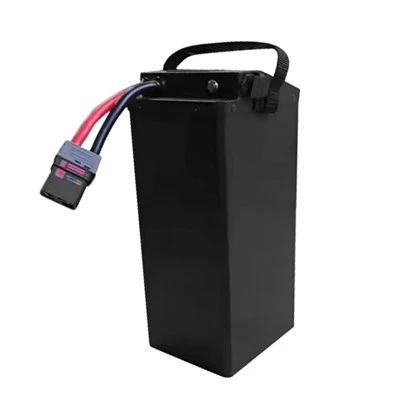
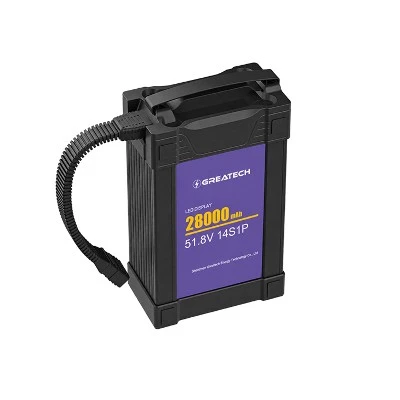
Before we dive into the methods of increasing battery capacity, it's important to understand what battery capacity means. Battery capacity is typically measured in ampere - hours (Ah), which represents the amount of charge a battery can store. For example, a 48V 35Ah Lithium Ion Battery can theoretically supply a current of 35 amperes for one hour at a constant voltage of 48V. However, in real - world scenarios, factors such as battery age, temperature, and discharge rate can affect the actual available capacity.
1. Battery Chemistry Selection
The choice of battery chemistry plays a crucial role in determining the battery capacity. Different battery chemistries have different energy densities, which is the amount of energy stored per unit volume or mass. For 48V batteries, lithium - ion batteries are a popular choice due to their high energy density, long cycle life, and low self - discharge rate.
- Lithium - ion Batteries: Compared to traditional lead - acid batteries, lithium - ion batteries can store more energy in a smaller and lighter package. For instance, a 48V 30Ah Lithium Ion Battery will generally have a much higher energy density than a lead - acid battery of the same voltage and capacity. Lithium - ion batteries also have a higher charge - discharge efficiency, which means less energy is wasted during the charging and discharging process.
- Advanced Lithium Chemistries: There are also advanced lithium chemistries such as lithium - iron - phosphate (LiFePO4), which offer even better safety and longer cycle life. LiFePO4 batteries are more stable at high temperatures and have a lower risk of thermal runaway compared to other lithium - ion chemistries.
2. Series and Parallel Connections
Another way to increase the capacity of a 48V battery system is by using series and parallel connections.
- Parallel Connection: When batteries are connected in parallel, the voltage remains the same, but the capacity is additive. For example, if you connect two 48V 20Ah Lithium Ion Battery in parallel, you will get a 48V battery system with a capacity of 40Ah. However, it's important to ensure that the batteries used in parallel have the same voltage, capacity, and state of charge to avoid over - charging or under - charging of individual batteries.
- Series - Parallel Combinations: In some cases, you may need to use a combination of series and parallel connections to achieve the desired voltage and capacity. For example, if you need a 48V battery system with a high capacity, you can first connect several batteries in parallel to increase the capacity and then connect these parallel groups in series to reach the required voltage.
3. Proper Charging and Discharging Practices
Proper charging and discharging practices can also help maintain and even increase the effective capacity of a 48V battery over time.
- Charging: Use a charger specifically designed for the type of 48V battery you have. Over - charging can cause damage to the battery and reduce its capacity, while under - charging can lead to sulfation in lead - acid batteries or lithium plating in lithium - ion batteries. For lithium - ion batteries, it's recommended to charge them at a moderate rate and avoid charging them to 100% capacity regularly.
- Discharging: Avoid deep discharging the battery, as this can also reduce its capacity and lifespan. Most batteries have a recommended depth of discharge (DOD), and it's best to keep the DOD within this range. For example, for a lithium - ion battery, it's usually recommended to keep the DOD below 80%.
4. Temperature Management
Temperature has a significant impact on battery capacity and performance.
- High Temperatures: High temperatures can accelerate the chemical reactions inside the battery, which can lead to increased self - discharge and reduced battery life. In extreme cases, high temperatures can cause thermal runaway, which is a dangerous condition where the battery overheats and can even catch fire or explode.
- Low Temperatures: Low temperatures can also reduce the battery capacity, as the chemical reactions inside the battery slow down. To counteract the effects of temperature, it's important to use a battery management system (BMS) that can monitor and control the temperature of the battery. Some battery systems also come with built - in heating or cooling systems to maintain the optimal temperature range.
5. Regular Maintenance
Regular maintenance is essential for keeping the battery in good condition and maximizing its capacity.
- Inspection: Regularly inspect the battery for any signs of damage, such as cracks, leaks, or corrosion. If you notice any issues, replace the damaged battery or components immediately.
- Cleaning: Keep the battery terminals clean and free of dirt and corrosion. Corroded terminals can increase the resistance in the electrical circuit, which can lead to reduced charging efficiency and capacity.
Conclusion
Increasing the capacity of a 48V battery requires a combination of proper battery selection, correct connection methods, good charging and discharging practices, temperature management, and regular maintenance. As a 48V battery supplier, I can offer a wide range of high - quality batteries and provide professional advice on how to optimize the performance and capacity of your battery system.
If you are interested in purchasing 48V batteries or need more information on increasing battery capacity, please feel free to contact us for further discussion and procurement negotiation. We are committed to providing you with the best battery solutions to meet your specific needs.
References
- Linden, D., & Reddy, T. B. (2002). Handbook of Batteries. McGraw - Hill.
- Tarascon, J. M., & Armand, M. (2001). Issues and challenges facing rechargeable lithium batteries. Nature, 414(6861), 359 - 367.