


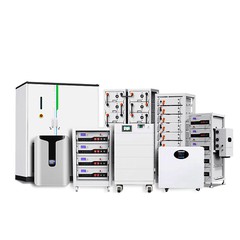


As a supplier of 72V batteries, I understand the importance of minimizing self - discharge. Self - discharge is a phenomenon where a battery loses its charge over time even when not in use. This can be a significant issue for customers, especially those who rely on their 72V batteries for electric motorcycles, power tools, or other applications. In this blog, I'll share some effective ways to reduce the self - discharge of a 72V battery.
Understanding Self - Discharge
Before we dive into the solutions, it's crucial to understand what causes self - discharge. There are several factors behind this phenomenon. First, internal chemical reactions within the battery can lead to a slow loss of charge. For example, in a lithium - ion battery, there may be side reactions between the electrolyte and the electrodes, which gradually consume the stored energy. Second, impurities in the battery materials can also contribute to self - discharge. These impurities can act as catalysts for unwanted chemical reactions, accelerating the loss of charge.
Choosing High - Quality Battery Materials
One of the most fundamental ways to reduce self - discharge is to use high - quality battery materials. When manufacturing 72V batteries, we ensure that we source the best electrodes, electrolytes, and separators. High - purity electrodes can minimize the occurrence of side reactions. For instance, in our 72V 45Ah LiFePo4 Battery, we use high - grade lithium iron phosphate (LiFePO4) for the cathode. LiFePO4 is known for its stability and low self - discharge rate compared to other cathode materials.
The electrolyte also plays a vital role. We use electrolytes with high purity and good conductivity. A well - formulated electrolyte can reduce the resistance within the battery and prevent unwanted chemical reactions. Additionally, high - quality separators can effectively prevent short - circuits between the electrodes, which can also contribute to self - discharge.
Proper Storage Conditions
Storage conditions have a significant impact on the self - discharge rate of a 72V battery. Temperature is one of the most critical factors. Batteries should be stored in a cool environment. High temperatures can accelerate the chemical reactions within the battery, leading to a higher self - discharge rate. For example, if a battery is stored at a temperature above 40°C, the self - discharge rate can be several times higher than when it is stored at a lower temperature, say 20°C.


Humidity is another factor to consider. Excessive humidity can cause corrosion on the battery terminals and other components, which can increase the self - discharge rate. Therefore, batteries should be stored in a dry place. We recommend storing our 72V Electric Motorcycle Battery in a room with a relative humidity of less than 60%.
Regular Charging and Discharging
Regular charging and discharging cycles can help maintain the health of a 72V battery and reduce self - discharge. When a battery is left in a fully charged or fully discharged state for an extended period, it can lead to an increase in self - discharge. We suggest that customers charge and discharge their batteries regularly. For example, if a battery is not in use for a long time, it should be charged to about 50% - 60% of its capacity and then stored. This state of charge helps to minimize the internal chemical reactions that cause self - discharge.
Moreover, using a proper charger is essential. A charger with advanced charging algorithms can ensure that the battery is charged correctly. Overcharging can damage the battery and increase the self - discharge rate. Our chargers are designed to provide a constant - current and constant - voltage charging process, which helps to protect the battery and reduce self - discharge.
Battery Management System (BMS)
A high - quality Battery Management System (BMS) is crucial for reducing self - discharge. The BMS monitors and controls the charging and discharging process of the battery. It can balance the voltage of each cell in the battery pack, which is essential for maintaining the overall health of the battery. In a 72V battery pack, there are usually multiple cells connected in series. If the voltage of one cell is significantly different from the others, it can lead to uneven charging and discharging, which can increase the self - discharge rate.
The BMS also has over - charge, over - discharge, and short - circuit protection functions. These functions can prevent the battery from being damaged under abnormal conditions, thereby reducing self - discharge. Our 72V 50Ah LiFePo4 Battery is equipped with a state - of - the - art BMS that ensures the battery operates safely and efficiently, minimizing self - discharge.
Monitoring and Maintenance
Regular monitoring and maintenance of the 72V battery can also help to reduce self - discharge. Customers should check the battery's state of charge, voltage, and temperature regularly. If any abnormal values are detected, appropriate measures should be taken immediately. For example, if the battery voltage is too low, it should be charged promptly.
In addition, the battery terminals should be kept clean. Corrosion on the terminals can increase the resistance and lead to higher self - discharge. Customers can use a clean cloth and a small amount of baking soda solution to clean the terminals.
Conclusion
Reducing the self - discharge of a 72V battery requires a comprehensive approach. From using high - quality materials during manufacturing to proper storage, regular charging and discharging, and the use of a reliable BMS, every step is crucial. As a 72V battery supplier, we are committed to providing our customers with high - quality batteries with low self - discharge rates. Our products, such as the 72V Electric Motorcycle Battery, 72V 45Ah LiFePo4 Battery, and 72V 50Ah LiFePo4 Battery, are designed with these principles in mind.
If you are interested in our 72V batteries or have any questions about reducing self - discharge, please feel free to contact us for procurement and further discussions. We look forward to serving you and meeting your battery needs.
References
- Linden, D., & Reddy, T. B. (2002). Handbook of Batteries. McGraw - Hill Professional.
- Tarascon, J. M., & Armand, M. (2001). Issues and challenges facing rechargeable lithium batteries. Nature, 414(6861), 359 - 367.


