




Replacing a 60V battery might seem like a daunting task, especially if you're not well - versed in battery technology. As a 60V battery supplier, I've seen many customers struggle with this process. In this blog, I'll guide you through the steps of replacing a 60V battery, ensuring that you can do it safely and effectively.
Understanding the 60V Battery
Before you start the replacement process, it's crucial to understand what a 60V battery is and its applications. A 60V battery is commonly used in electric vehicles, such as electric motorcycles, scooters, and some high - power electric bicycles. It can also be found in certain industrial equipment that requires a stable and high - voltage power source.
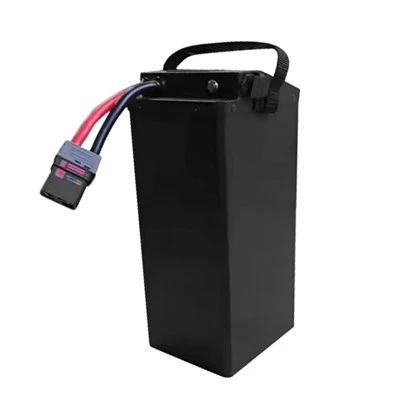
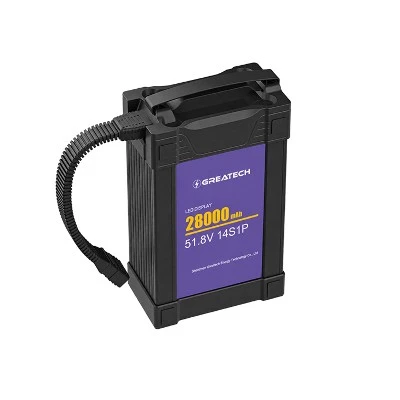
There are different types of 60V batteries, including lead - acid batteries and lithium - ion batteries. Lithium - ion batteries are becoming increasingly popular due to their higher energy density, longer lifespan, and lighter weight compared to lead - acid batteries. For example, our 60V 50Ah Lithium Ion Power Battery, 60V 20Ah Lithium Ion Power Battery, and 60V 30Ah Lithium Battery For Electric Vehicles are all high - quality lithium - ion options that offer excellent performance.
Safety Precautions
Safety should always be your top priority when dealing with high - voltage batteries. Here are some essential safety precautions to follow:
- Wear protective gear: Put on safety glasses, gloves, and appropriate clothing to protect yourself from any potential hazards, such as acid spills (in the case of lead - acid batteries) or electrical shocks.
- Turn off the power: Before you start working on the battery, make sure to turn off the power switch of the device it's powering. This will prevent any accidental electrical discharge.
- Work in a well - ventilated area: If you're dealing with a lead - acid battery, it can release hydrogen gas during charging and discharging, which is highly flammable. Working in a well - ventilated area reduces the risk of gas accumulation.
- Use the right tools: Use insulated tools to avoid electrical contact. Non - insulated tools can conduct electricity and cause a short - circuit or electrical shock.
Steps to Replace a 60V Battery
Step 1: Gather the Necessary Tools
You'll need a few basic tools to replace the battery, including a socket wrench or a screwdriver, depending on how the battery is secured. Make sure the tools are in good condition and the right size for the job.
Step 2: Locate the Battery
The location of the 60V battery can vary depending on the device. In an electric motorcycle, it might be under the seat or in a dedicated battery compartment. In an electric bicycle, it could be mounted on the frame. Refer to the user manual of your device to find the exact location.
Step 3: Disconnect the Old Battery
Once you've located the battery, you need to disconnect it from the device. Start by disconnecting the negative terminal first. This is usually marked with a minus (-) sign. Use your socket wrench or screwdriver to loosen the nut or bolt that secures the cable to the terminal. Gently pull the cable away from the terminal.
Next, disconnect the positive terminal, which is marked with a plus (+) sign. Follow the same procedure as for the negative terminal. Be careful not to touch both terminals at the same time, as this can cause a short - circuit.
Step 4: Remove the Old Battery
After disconnecting the cables, you can remove the old battery from its mounting. Some batteries are held in place by brackets or straps. Use your tools to loosen these fasteners and carefully lift the battery out of the compartment.
Step 5: Inspect the Battery Compartment
Before installing the new battery, take a moment to inspect the battery compartment. Look for any signs of damage, corrosion, or debris. If you find any corrosion on the terminals or in the compartment, clean it using a mixture of baking soda and water. This will neutralize any acid and prevent further damage.
Step 6: Install the New Battery
Place the new battery in the compartment, making sure it fits properly. Align the terminals with the cable connections. If the battery has a specific orientation, make sure to install it correctly according to the markings.
Step 7: Reconnect the Cables
Start by connecting the positive terminal first. Place the cable over the terminal and tighten the nut or bolt securely. Then, connect the negative terminal in the same way. Make sure the connections are tight to prevent any loose connections, which can lead to poor performance or electrical problems.
Step 8: Test the New Battery
Once you've reconnected the cables, turn on the power switch of the device. Check if the device is functioning properly. If it doesn't work, double - check the connections to make sure they're secure and the battery is installed correctly.
Tips for Choosing a New 60V Battery
When choosing a new 60V battery, there are several factors to consider:


- Capacity: The capacity of the battery is measured in ampere - hours (Ah). A higher capacity battery will provide more power and longer runtime. Consider your usage requirements when choosing the capacity. For example, if you use your electric vehicle for long - distance rides, a 60V 50Ah Lithium Ion Power Battery might be a better choice.
- Compatibility: Make sure the new battery is compatible with your device. Check the voltage, capacity, and physical dimensions of the battery to ensure it will fit properly and work with your device's electrical system.
- Brand and Quality: Choose a reputable brand that offers high - quality batteries. A good brand will provide better performance, longer lifespan, and better safety features. As a 60V battery supplier, we offer a range of high - quality lithium - ion batteries that are designed to meet the needs of different applications.
Conclusion
Replacing a 60V battery is a relatively straightforward process if you follow the right steps and take the necessary safety precautions. By understanding the battery, gathering the right tools, and following the replacement steps carefully, you can ensure a smooth and successful battery replacement.
If you're interested in purchasing a 60V battery or have any questions about battery replacement, we're here to help. We offer a wide range of 60V batteries to meet your specific needs. Contact us for more information and to start a procurement negotiation.
References
- User manuals of various electric vehicles and devices.
- Industry standards and guidelines for battery safety and installation.