




Hey there! As a 12V battery supplier, I've seen firsthand how important it is to use these batteries safely. Whether you're powering a small DIY project or a larger off-grid system, knowing the ins and outs of 12V battery safety can save you a lot of headaches and potential hazards. So, let's dive right in and talk about how to use a 12V battery safely.
Understanding Your 12V Battery
First things first, you gotta understand what you're dealing with. A 12V battery is a type of rechargeable battery that provides a nominal voltage of 12 volts. There are different types of 12V batteries out there, like lead-acid, lithium-ion, and lithium iron phosphate (LiFePO4). Each type has its own characteristics, advantages, and safety considerations.
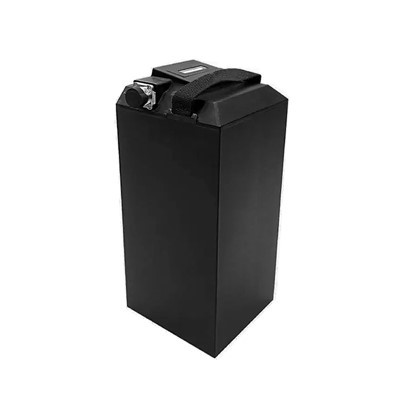
LiFePO4 batteries, for example, are becoming increasingly popular because they're lightweight, have a long lifespan, and are more environmentally friendly compared to lead-acid batteries. We offer some great options like the 12V 400Ah LiFePO4 Lithium Battery, 12V 314Ah LiFePO4 Lithium Battery, and 12V 30Ah LiFePO4 Lithium Battery.
Storage
Proper storage is crucial for maintaining the safety and performance of your 12V battery. When you're not using the battery, store it in a cool, dry place. Extreme temperatures can have a big impact on battery life and performance. High temperatures can cause the battery to overheat and degrade faster, while low temperatures can reduce its capacity.
Also, make sure to store the battery in a well-ventilated area. Some batteries, like lead-acid ones, can release hydrogen gas during charging, which is highly flammable. Keeping the area well-ventilated helps prevent the buildup of this gas.
Charging
Charging a 12V battery might seem straightforward, but there are some important safety rules to follow. First, always use a charger that's specifically designed for your battery type. Using the wrong charger can lead to overcharging, which can damage the battery and even cause it to catch fire or explode.
When connecting the charger to the battery, make sure to follow the correct polarity. The positive terminal of the charger should be connected to the positive terminal of the battery, and the negative to the negative. Reversing the polarity can not only damage the battery but also the charger.
Don't leave the battery charging unattended for long periods. Keep an eye on it, especially during the initial charging cycle. If you notice any signs of overheating, swelling, or strange smells, stop the charging immediately and disconnect the charger.
Handling
When handling a 12V battery, always wear appropriate protective gear, like gloves and safety glasses. Batteries can contain corrosive chemicals, especially lead-acid ones, which can cause skin burns and eye damage if they come into contact with your body.
Be careful not to drop or subject the battery to any physical shock. A damaged battery can leak its contents, which is not only dangerous but can also render the battery useless.
Installation
If you're installing a 12V battery in a device or system, make sure to follow the manufacturer's instructions carefully. Ensure that the battery is securely mounted and that all connections are tight. Loose connections can cause arcing, which is a fire hazard.
Also, make sure that the battery is installed in a location where it won't be exposed to excessive vibrations or mechanical stress. Vibration can loosen connections and damage the internal components of the battery.
Discharging
Don't over-discharge your 12V battery. Most batteries have a recommended depth of discharge (DoD). For example, LiFePO4 batteries can typically be discharged to around 80 - 90% of their capacity without significant damage. Over-discharging can reduce the battery's lifespan and performance.
If you're using the battery to power a device, make sure the device's power requirements are within the battery's capacity. Using a battery that's too small for the load can cause it to overheat and fail prematurely.
Maintenance
Regular maintenance is key to keeping your 12V battery in good condition. For lead-acid batteries, this might involve checking the electrolyte level and adding distilled water if necessary. For LiFePO4 batteries, you don't have to worry about electrolyte levels, but you should still check the battery's voltage and performance periodically.
Clean the battery terminals regularly to prevent corrosion. Corrosion can increase resistance and reduce the efficiency of the battery. You can use a mixture of baking soda and water to clean the terminals, and then dry them thoroughly before reconnecting the cables.
Troubleshooting
If you encounter any problems with your 12V battery, don't try to fix it yourself unless you have the proper knowledge and experience. Some battery issues can be complex and dangerous to handle. Instead, contact a professional or the battery manufacturer for assistance.


If the battery is leaking, swelling, or showing other signs of damage, it's best to replace it immediately. Using a damaged battery is a serious safety risk.
Conclusion
Using a 12V battery safely is all about being informed and taking the necessary precautions. By following these tips on storage, charging, handling, installation, discharging, and maintenance, you can ensure that your battery lasts longer and performs better while keeping you and your surroundings safe.
If you're in the market for a high-quality 12V battery, we've got you covered. Our 12V 400Ah LiFePO4 Lithium Battery, 12V 314Ah LiFePO4 Lithium Battery, and 12V 30Ah LiFePO4 Lithium Battery are top-notch options.
If you have any questions or want to discuss your battery needs, feel free to reach out. We're here to help you make the right choice and ensure you get the most out of your 12V battery.
References
- Battery University: A great resource for all things related to battery technology and safety.
- Manufacturer's manuals for specific battery models. These provide detailed information on safety, usage, and maintenance.