


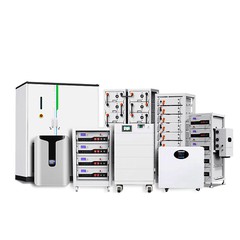


As a supplier of 80V batteries, I often encounter inquiries from customers about the possibility of repairing an 80V battery. This is a topic that not only concerns cost - effectiveness but also environmental sustainability. In this blog, I'll delve into the technical aspects, common problems, and the feasibility of repairing an 80V battery.
Understanding 80V Batteries
Before discussing repair, it's crucial to understand what an 80V battery is. These high - voltage batteries are commonly used in a variety of applications, such as electric motorcycles, some industrial equipment, and high - power electric tools. They can come in different chemistries, including lithium - ion, LiFePo4, etc.
For instance, our company offers 80V 50Ah Lithium Ion Battery, 80V 100Ah LiFePo4 Battery, and 80V 200Ah LiFePo4 Battery. Each type has its own characteristics. Lithium - ion batteries are known for their high energy density, which means they can store a large amount of energy in a relatively small space. LiFePo4 batteries, on the other hand, are more stable, have a longer cycle life, and are less prone to thermal runaway, making them a safer choice in many applications.
Common Problems with 80V Batteries
There are several common issues that can lead to the degradation or malfunction of an 80V battery:
1. Capacity Loss
Over time, the battery's capacity will naturally decrease. This is due to chemical reactions within the battery cells. For example, in a lithium - ion battery, the lithium ions may become trapped in the electrodes, reducing the number of ions available for the charge - discharge process.
2. Cell Imbalance
In a multi - cell battery pack like an 80V battery, cell imbalance can occur. Each cell in the pack should have the same voltage and capacity. However, due to manufacturing variations, different usage patterns, or environmental factors, some cells may charge or discharge at different rates. This can lead to over - charging or over - discharging of individual cells, which further accelerates battery degradation.
3. Internal Short - Circuits
Internal short - circuits can be caused by physical damage to the battery, such as punctures or impacts. They can also result from the growth of dendrites (tiny metal filaments) within the battery cells over time. An internal short - circuit can cause a rapid loss of charge, overheating, and in severe cases, it can even lead to a fire or explosion.
4. Faulty Battery Management System (BMS)
The BMS is responsible for monitoring and controlling the charging and discharging process of the battery pack. If the BMS malfunctions, it may not be able to accurately measure the state of charge of the battery, or it may fail to protect the battery from over - charging, over - discharging, or over - current conditions.
Feasibility of Repairing 80V Batteries
Whether an 80V battery can be repaired depends on the nature and severity of the problem:
1. Minor Capacity Loss
If the battery only suffers from minor capacity loss, some repair methods may be effective. For example, a process called "reconditioning" can be used. This usually involves fully discharging the battery and then re - charging it slowly. This process can sometimes help to redistribute the lithium ions within the battery cells and restore some of the lost capacity.
2. Cell Imbalance
Cell imbalance can often be corrected. One way is to use a cell balancing charger. This type of charger can detect the voltage of each cell in the battery pack and adjust the charging current accordingly to ensure that all cells reach the same voltage level. In some cases, if a particular cell is significantly weaker than the others, it may be possible to replace that single cell. However, this requires specialized knowledge and tools, as the new cell must have the same specifications as the original ones.
3. Internal Short - Circuits
Repairing a battery with an internal short - circuit is extremely challenging and often not recommended. The risk of fire or explosion during the repair process is very high. In most cases, a battery with an internal short - circuit should be replaced to ensure safety.


4. Faulty BMS
If the problem lies in the BMS, it may be possible to repair or replace the BMS. However, this also requires technical expertise. A new BMS must be properly calibrated to work with the battery pack.
Steps for Repairing 80V Batteries
If you decide to attempt to repair an 80V battery, here are the general steps:
1. Safety First
Before starting any repair work, make sure to take proper safety precautions. Wear protective gear, such as gloves and goggles. Work in a well - ventilated area away from flammable materials.
2. Diagnosis
Use a battery tester or a multimeter to measure the voltage, capacity, and resistance of the battery pack and individual cells. This will help you identify the root cause of the problem.
3. Cell Balancing (if applicable)
If cell imbalance is detected, use a cell balancing charger to equalize the voltage of all cells. This may take several hours or even days, depending on the degree of imbalance.
4. Component Replacement
If a specific component, such as a cell or the BMS, is found to be faulty, carefully remove and replace it. Make sure to follow the manufacturer's instructions and use compatible parts.
5. Testing
After the repair, test the battery to ensure that it is working properly. Charge and discharge the battery several times to verify its performance.
When to Replace Instead of Repair
There are situations where it is more practical to replace the battery rather than repair it:
1. Severe Physical Damage
If the battery has suffered severe physical damage, such as a crushed case or a large puncture, it is usually safer and more cost - effective to replace the battery.
2. Old Age
If the battery is very old and has already gone through a large number of charge - discharge cycles, the overall degradation may be too severe to be effectively repaired. In this case, a new battery will provide better performance and reliability.
Conclusion
In conclusion, it is possible to repair an 80V battery in some cases, especially for problems like minor capacity loss and cell imbalance. However, repairing a battery requires technical knowledge, specialized tools, and strict safety precautions. For more serious problems such as internal short - circuits, it is often safer to replace the battery.
As a supplier of high - quality 80V batteries, we are committed to providing our customers with the best products and services. If you have any questions about 80V batteries, whether it's about repair, usage, or purchasing, please feel free to contact us for further discussion and negotiation. We look forward to working with you to meet your battery needs.
References
- Linden, D., & Reddy, T. B. (2002). Handbook of Batteries. McGraw - Hill.
- Tarascon, J. M., & Armand, M. (2001). Issues and challenges facing rechargeable lithium batteries. Nature, 414(6861), 359 - 367.


