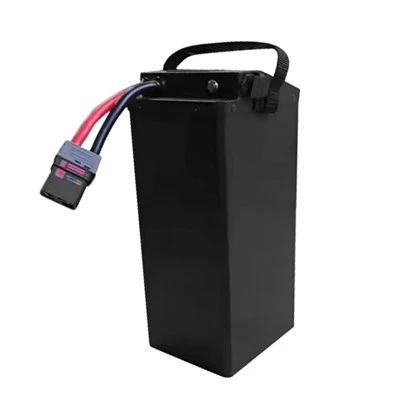



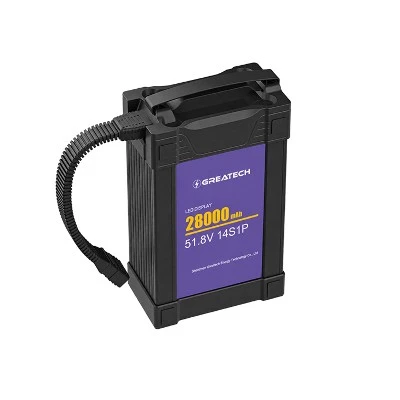


Hey there! As a supplier of 24V 150Ah batteries, I've seen firsthand the growing interest in lithium-ion batteries over lead-acid ones. In this blog, I'll break down the advantages of a lithium-ion 24V 150Ah battery compared to a lead-acid battery.
1. Weight and Size
Let's start with the obvious - weight and size. Lead-acid batteries are bulky and heavy. A 24V 150Ah lead-acid battery can be a real pain to move around. It takes up a lot of space and can be a challenge to install, especially in tight spots.
On the other hand, lithium-ion batteries are much lighter and more compact. They can be up to 70% lighter than lead-acid batteries of the same capacity. This makes them a great choice for applications where weight and space are at a premium, like in RVs, boats, or solar power systems. If you're looking to save some space and make your setup more portable, a lithium-ion 24V 150Ah battery is the way to go.
2. Energy Density
Energy density is a measure of how much energy a battery can store in a given volume or weight. Lithium-ion batteries have a much higher energy density than lead-acid batteries. This means that a lithium-ion 24V 150Ah battery can store more energy in a smaller and lighter package.
With a higher energy density, you can get more power for your money. You won't have to worry about running out of juice as quickly, and you can use your devices for longer periods without recharging. Whether you're powering a small off-grid cabin or a large electric vehicle, a lithium-ion battery will give you the energy you need.
3. Charge Efficiency
Charging a lead-acid battery can be a slow and inefficient process. They require a specific charging profile, and overcharging can damage the battery. Plus, they have a relatively low charge acceptance rate, which means it takes longer to charge them fully.
Lithium-ion batteries, on the other hand, have a much higher charge acceptance rate. They can be charged much faster than lead-acid batteries, sometimes up to 5 times faster. This means you can spend less time waiting for your battery to charge and more time using your devices. Additionally, lithium-ion batteries don't require a complex charging profile, which makes them easier to charge and maintain.
4. Cycle Life
The cycle life of a battery refers to the number of charge and discharge cycles it can go through before its capacity starts to degrade significantly. Lead-acid batteries typically have a cycle life of around 300 - 500 cycles, depending on how they're used and maintained.
Lithium-ion batteries have a much longer cycle life. A good quality lithium-ion 24V 150Ah battery can have a cycle life of 2000 - 5000 cycles or more. This means you'll get a lot more use out of your battery before you need to replace it. Over the long term, this can save you a significant amount of money.
5. Depth of Discharge (DoD)
Lead-acid batteries don't like to be deeply discharged. If you discharge a lead-acid battery below 50% of its capacity regularly, it can significantly reduce its lifespan. This means you can only use about half of the battery's total capacity safely.
Lithium-ion batteries can handle much deeper discharges. They can typically be discharged up to 80 - 90% of their capacity without any significant impact on their lifespan. This means you can use more of the energy stored in the battery, giving you more usable power.
6. Maintenance
Lead-acid batteries require regular maintenance. You need to check the water levels in the cells, clean the terminals, and make sure the battery is properly charged. If you don't maintain a lead-acid battery correctly, it can fail prematurely.
Lithium-ion batteries are virtually maintenance-free. You don't have to worry about checking water levels or cleaning terminals. They also don't produce hydrogen gas during charging, which eliminates the risk of explosions and makes them safer to use in enclosed spaces.
7. Temperature Performance
Lead-acid batteries are sensitive to temperature. They perform poorly in cold temperatures, and their capacity can be significantly reduced. In hot temperatures, they can overheat and lose their charge more quickly.


Lithium-ion batteries have a much wider operating temperature range. They can perform well in both cold and hot temperatures. This makes them a great choice for applications in extreme environments, like in the Arctic or in the desert.
Related Products
If you're interested in other battery options, we also offer 24V 200Ah Battery, 24V 100Ah Battery, and 24V 300Ah Battery. These batteries also come in both lithium-ion and lead-acid options, so you can choose the one that best suits your needs.
Conclusion
As you can see, there are many advantages to choosing a lithium-ion 24V 150Ah battery over a lead-acid one. From weight and size to energy density, charge efficiency, cycle life, and more, lithium-ion batteries outperform lead-acid batteries in almost every aspect.
If you're in the market for a 24V 150Ah battery, I highly recommend considering a lithium-ion option. It may cost a bit more upfront, but the long-term savings and benefits are well worth it. If you have any questions or are interested in purchasing a battery, feel free to reach out to us. We're here to help you find the perfect battery for your needs.
References
- Battery University: A comprehensive resource for battery knowledge.
- Various industry reports on battery technology and performance.