




Hey there! As a 24V battery supplier, I often get asked about the capacity of 24V batteries. It's a super important topic, especially if you're in the market for a reliable power source. So, let's dive right in and break down what the capacity of a 24V battery really means.
First off, what do we mean by "capacity"? In the battery world, capacity is all about how much energy a battery can store. It's usually measured in ampere - hours (Ah). Think of it like the size of a water tank. The bigger the tank, the more water it can hold. Similarly, a battery with a higher Ah rating can store more electrical energy.
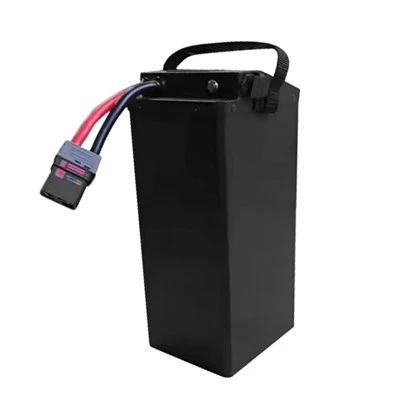
Let's take a look at some common 24V battery capacities we offer. We've got the 24V 150Ah Battery. This one's a great all - rounder. It can power a variety of applications, like small off - grid solar systems or some types of electric vehicles. If you've got a setup that doesn't require a huge amount of power for long periods, this 150Ah battery is a solid choice.


Then there's the 24V 300Ah Battery. This battery has double the capacity of the 150Ah one. It's suitable for larger off - grid setups, like a medium - sized home that runs on solar power. It can provide enough energy to keep essential appliances running for a decent amount of time, even when the sun isn't shining.
And for those with really high - power demands, we have the 24V 500Ah Battery. This bad boy is like a giant energy reservoir. It's perfect for large industrial applications, big data centers that need backup power, or large - scale off - grid farms. With a 500Ah capacity, it can supply a significant amount of power over an extended period.
But capacity isn't the only thing you should consider when choosing a 24V battery. The discharge rate is also crucial. The discharge rate tells you how fast the battery can release its stored energy. Some applications need a battery that can deliver a large amount of power quickly, while others can work with a slower, more steady flow of energy.
For example, if you're using the battery to start an engine, you'll need a battery with a high discharge rate. It has to be able to send a big jolt of electricity to get the engine going. On the other hand, if it's for a small lighting system in a shed, a battery with a lower discharge rate will do just fine.
Another factor is the depth of discharge (DoD). This is the percentage of the battery's capacity that can be used before it needs to be recharged. Most 24V batteries can handle a certain depth of discharge without causing too much damage. For lead - acid batteries, a common DoD is around 50%. That means you can use up to half of the battery's capacity before you should recharge it. If you go beyond that too often, it can shorten the battery's lifespan.
Temperature also plays a role in a battery's performance. Batteries generally work best within a certain temperature range. Extreme cold can reduce a battery's capacity, while extreme heat can speed up the chemical reactions inside the battery, which might also lead to a shorter lifespan. So, it's important to install your 24V battery in a place where the temperature is relatively stable.
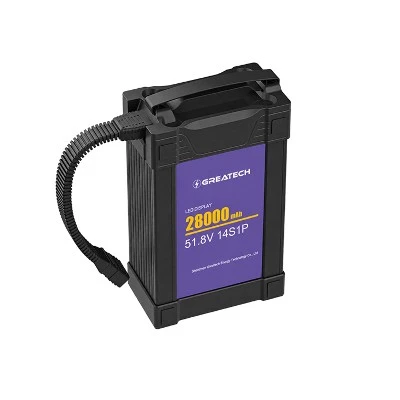
Now, let's talk about how to calculate the actual energy you can get from a 24V battery. The formula is pretty simple: Energy (in watt - hours, Wh) = Voltage (V) x Capacity (Ah). So, for a 24V 150Ah battery, the energy it can store is 24V x 150Ah = 3600Wh. That's equivalent to running a 100 - watt light bulb for 36 hours.
When it comes to charging a 24V battery, you need a charger that's specifically designed for 24V systems. Using the wrong charger can overcharge or undercharge the battery, which can damage it. A good charger will monitor the battery's state of charge and adjust the charging current accordingly.
As a 24V battery supplier, I've seen firsthand how important it is to choose the right battery for your needs. If you pick a battery with too little capacity, you'll run out of power quickly. But if you go for one with way more capacity than you need, you're just wasting money.
So, if you're in the market for a 24V battery, take the time to assess your power requirements. Think about what you'll be using the battery for, how much power you need, and for how long. And if you're not sure, don't hesitate to reach out to us. We're here to help you make the right choice. Whether it's the 24V 150Ah Battery, the 24V 300Ah Battery, or the 24V 500Ah Battery, we've got the right solution for you.
If you're interested in purchasing a 24V battery or have any questions about our products, feel free to get in touch. We're always happy to discuss your requirements and guide you through the purchasing process. Let's work together to find the perfect 24V battery for your project!
References:
- Battery University: A comprehensive resource on battery technology and usage.
- Electrical Engineering textbooks for basic electrical concepts related to batteries.