




As a supplier of 24V 500Ah batteries, I often get asked about the charge cut - off current of these power - storage devices. Understanding this parameter is crucial for ensuring the longevity, safety, and optimal performance of the battery.
The Basics of Battery Charging
Before delving into the charge cut - off current, it's essential to understand the general process of charging a 24V 500Ah battery. A battery charger works by supplying electrical energy to the battery, which is then stored in the form of chemical energy. During the charging process, the charger needs to follow a specific charging profile to avoid over - charging or under - charging the battery.
Over - charging can lead to several issues, such as excessive heat generation, electrolyte loss, and damage to the battery plates. On the other hand, under - charging results in reduced battery capacity and a shorter overall lifespan.
Defining Charge Cut - Off Current
The charge cut - off current is the point at which the charger stops supplying current to the battery. It is a critical parameter because it indicates that the battery has reached a state of full charge or a near - full charge. When the charging current drops to the cut - off value, the charger switches from the bulk charging phase to the float charging phase or simply stops charging altogether.
For a 24V 500Ah battery, the charge cut - off current is typically determined by the battery's chemistry and the manufacturer's recommendations. Most lead - acid batteries, which are commonly used in 24V 500Ah applications, have a charge cut - off current that is a small percentage of their rated capacity.
Factors Affecting Charge Cut - Off Current
Battery Chemistry
Different battery chemistries have different charging characteristics. For example, lead - acid batteries, including flooded lead - acid, sealed lead - acid (AGM and gel), and lithium - ion batteries, have distinct charge cut - off current requirements.
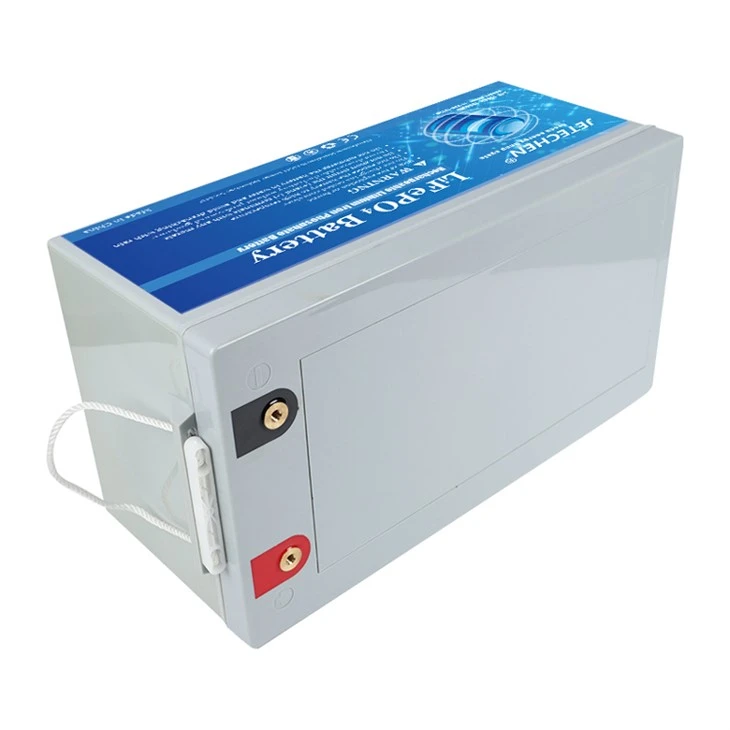
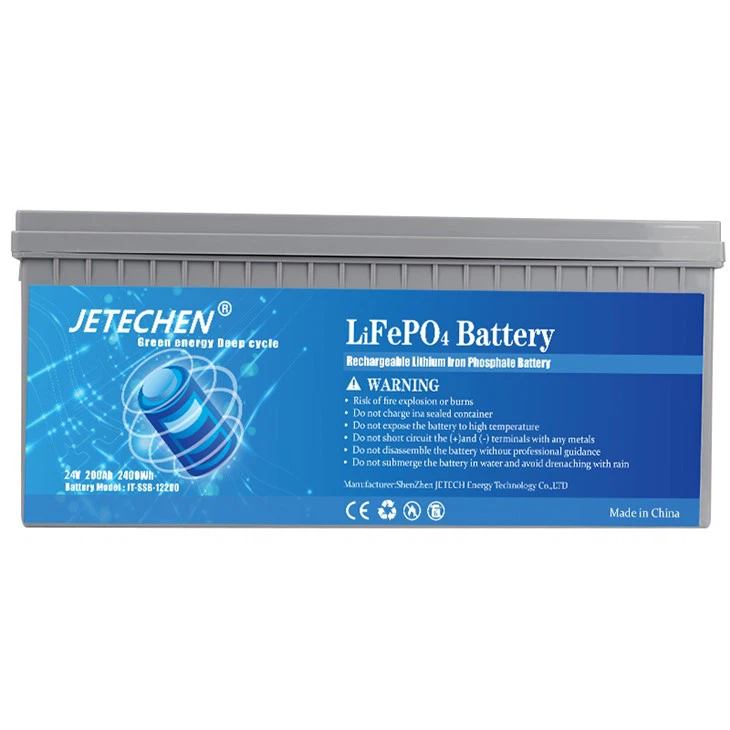
Lead - acid batteries usually have a charge cut - off current in the range of 1% - 3% of their rated capacity. For a 24V 500Ah lead - acid battery, this would mean a charge cut - off current of 5A - 15A. Lithium - ion batteries, on the other hand, often have a more precise charge cut - off current specification, which is typically set by the battery management system (BMS). The BMS monitors the battery's voltage, temperature, and current during charging and discharging to ensure safe and efficient operation.
Temperature
Temperature also plays a significant role in determining the charge cut - off current. Batteries are sensitive to temperature changes, and charging them at extreme temperatures can cause damage. At low temperatures, the battery's internal resistance increases, which can slow down the charging process. As a result, the charge cut - off current may need to be adjusted to prevent over - charging.
Conversely, high temperatures can accelerate the chemical reactions inside the battery, leading to faster charging. However, charging at high temperatures can also cause the battery to overheat, which can reduce its lifespan. Therefore, the charger may need to reduce the charge cut - off current to protect the battery.
Charger Design
The design of the charger can affect the charge cut - off current. Some chargers are designed to use a fixed charge cut - off current, while others can adjust the cut - off current based on the battery's state of charge, temperature, and other factors. Smart chargers, which are becoming increasingly popular, can communicate with the battery and adjust the charging parameters in real - time to ensure optimal charging.
Importance of Correct Charge Cut - Off Current
Using the correct charge cut - off current is essential for several reasons. Firstly, it helps to prevent over - charging, which can damage the battery and reduce its lifespan. Over - charging can cause the battery to overheat, leading to electrolyte loss, plate corrosion, and ultimately, battery failure.
Secondly, the correct charge cut - off current ensures that the battery is fully charged. A fully charged battery provides maximum capacity and performance, which is crucial for applications that rely on a stable power supply.
Finally, using the correct charge cut - off current can improve the safety of the battery. Over - charged batteries are more likely to experience thermal runaway, a dangerous condition in which the battery's temperature rises uncontrollably, potentially leading to a fire or explosion.
Determining the Charge Cut - Off Current for a 24V 500Ah Battery
To determine the appropriate charge cut - off current for a 24V 500Ah battery, it is best to refer to the battery manufacturer's specifications. The manufacturer will provide detailed information on the recommended charging parameters, including the charge cut - off current.
If the manufacturer's specifications are not available, a general rule of thumb for lead - acid batteries is to use a charge cut - off current of around 2% of the battery's rated capacity. For a 24V 500Ah lead - acid battery, this would be 10A. However, it is important to note that this is only a rough estimate, and the actual charge cut - off current may vary depending on the factors mentioned above.
Our Product Range
As a supplier of 24V 500Ah batteries, we also offer a variety of other battery options to meet different customer needs. Our product range includes 24V 200Ah Battery and 24V 300Ah Battery, which are suitable for applications with lower power requirements. If you are specifically interested in our 24V 500Ah Battery, it is designed to provide reliable and long - lasting power for a wide range of applications, from renewable energy systems to industrial equipment.
Conclusion and Call to Action
In conclusion, the charge cut - off current of a 24V 500Ah battery is a critical parameter that affects the battery's performance, lifespan, and safety. By understanding the factors that influence the charge cut - off current and using the correct value, you can ensure that your battery operates at its best.
If you have any questions about our 24V 500Ah batteries or need more information on the charge cut - off current, please feel free to reach out to us. We are here to help you make the right choice for your power - storage needs and are ready to engage in procurement discussions to meet your specific requirements.
References
- Battery University: A comprehensive resource for battery knowledge, including charging and discharging characteristics of different battery chemistries.
- Manufacturer's specifications for 24V 500Ah batteries, which provide detailed information on recommended charging parameters.