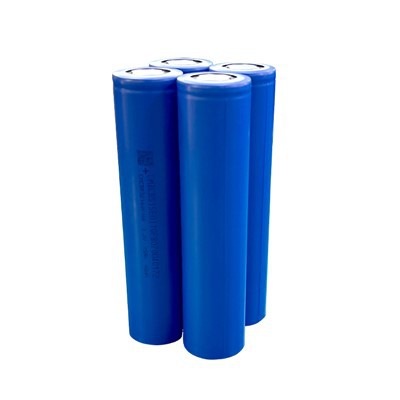
Yo, what's up, folks! I'm a supplier of 72V batteries, and today I wanna chat about the cost - effectiveness of these 72V batteries. You might be wondering, "What's the big deal about a 72V battery?" Well, let me break it down for you.
First off, let's talk about what cost - effectiveness means. Cost - effectiveness is all about getting the most bang for your buck. It's about how much performance and value you can get from a product relative to its cost. When it comes to 72V batteries, there are a few key factors that contribute to their cost - effectiveness.
One of the major factors is the energy storage capacity. A 72V battery typically has a higher energy storage capacity compared to lower - voltage batteries. This means you can power your devices or vehicles for a longer time without having to recharge as often. For example, if you're using a 72V battery in an electric motorcycle, you can go farther on a single charge. This not only saves you time but also money in the long run, as you don't have to pay for as many recharges.
Another aspect is the power output. 72V batteries can deliver a higher power output, which is great for applications that require a lot of energy, like electric motorcycles or high - performance electric tools. With a higher power output, these devices can operate more efficiently and effectively. For instance, an electric motorcycle with a 72V battery can accelerate faster and reach higher speeds compared to one with a lower - voltage battery.
Now, let's talk about the different types of 72V batteries. There are mainly two popular types: LiFePo4 batteries and ternary lithium batteries.
The 72V 45Ah LiFePo4 Battery is known for its long cycle life. It can withstand a large number of charge - discharge cycles without significant degradation. This means you won't have to replace the battery as often, which is a huge cost - saving in the long term. LiFePo4 batteries are also relatively safe, as they are less prone to overheating and thermal runaway compared to some other battery types.
On the other hand, the 72V Ternary Lithium Battery has a higher energy density. This means it can store more energy in a smaller and lighter package. If you're looking for a battery that takes up less space and is easier to carry, the ternary lithium battery might be a better choice. However, it's important to note that ternary lithium batteries may have a shorter cycle life compared to LiFePo4 batteries.
When it comes to using 72V batteries in electric motorcycles, the 72V Electric Motorcycle Battery offers a great balance between performance and cost. Electric motorcycles are becoming more and more popular these days, and a 72V battery can provide the power and range needed for a smooth and enjoyable ride.
In terms of cost, 72V batteries might seem a bit more expensive upfront compared to lower - voltage batteries. But when you consider the long - term benefits, like longer cycle life, higher energy storage, and better performance, they actually offer a great cost - effectiveness. You'll save money on recharging, replacement batteries, and potentially on maintenance as well.
Let's take a look at some real - world examples. Suppose you have an electric motorcycle that uses a 72V battery. You can travel, say, 100 miles on a single charge. If you were using a lower - voltage battery, you might only be able to travel 50 miles on a single charge. This means you'd have to recharge twice as often, which not only takes up more of your time but also costs you more in terms of electricity.
Also, the performance difference can be quite significant. A 72V battery - powered electric motorcycle can accelerate faster, which is not only fun but also safer in some situations, like when you need to merge onto a busy road.
Now, let's talk about the cost - effectiveness from a business perspective. If you're a manufacturer of electric vehicles or devices, using 72V batteries can actually help you reduce your overall production costs. Since these batteries offer better performance and longer life, your products will be more reliable and have a better reputation in the market. This can lead to increased sales and customer satisfaction.
When it comes to maintenance, 72V batteries are relatively easy to maintain. Most modern 72V batteries come with built - in protection circuits that prevent overcharging, over - discharging, and short - circuits. This means you don't have to worry too much about damaging the battery due to improper use.


However, it's important to choose the right 72V battery for your specific application. You need to consider factors like the power requirements, the expected cycle life, and the budget. If you're using the battery for a high - power application, like an electric motorcycle, you might want to go for a battery with a higher power output. If you're more concerned about long - term cost savings, a LiFePo4 battery might be the way to go.
In conclusion, 72V batteries offer a great cost - effectiveness in the long run. They provide high energy storage, good power output, and long cycle life. Whether you're an individual looking for a reliable battery for your electric motorcycle or a business in the electric vehicle industry, 72V batteries are definitely worth considering.
If you're interested in learning more about our 72V batteries or are thinking about making a purchase, don't hesitate to reach out. We're here to help you find the perfect battery solution for your needs. Let's start a conversation and see how we can work together to meet your requirements.
References:
- Industry reports on battery technology and cost - effectiveness
- Manufacturer specifications of 72V batteries