




Hey there, fellow e-bike enthusiasts! As a supplier of 48v e-bike batteries, I often get asked about the cut-off voltage of these batteries. In this blog post, I'm gonna break it down for you and explain what it means, why it matters, and how it can impact your e-bike experience.
What is Cut-Off Voltage?
First things first, let's talk about what cut-off voltage actually is. The cut-off voltage of a battery is the minimum voltage at which the battery should be discharged. Once the battery reaches this voltage, it's usually a sign that it's time to stop using it and recharge it. If you continue to discharge the battery below the cut-off voltage, it can cause permanent damage to the battery cells, reducing their lifespan and performance.
For a 48v e-bike battery, the cut-off voltage can vary depending on the type of battery cells used. Most commonly, lithium-ion batteries are used in e-bikes, and they typically have a cut-off voltage ranging from around 42v to 48v for a fully charged battery, and around 36v to 39v when fully discharged. This range can differ based on the specific chemistry of the lithium-ion cells, such as lithium cobalt oxide (LiCoO2), lithium manganese oxide (LiMn2O4), or lithium iron phosphate (LiFePO4).
Why Does Cut-Off Voltage Matter?
The cut-off voltage is crucial for several reasons. Firstly, it protects the battery from over-discharging. When a battery is over-discharged, the chemical reactions inside the battery can become unstable, leading to a decrease in capacity and an increase in the risk of thermal runaway or other safety issues. By setting a cut-off voltage, we ensure that the battery is not pushed beyond its safe limits.


Secondly, the cut-off voltage affects the range and performance of your e-bike. If you ride your e-bike until the battery voltage drops below the cut-off voltage, you might notice a significant decrease in power and speed. This is because the battery is no longer able to provide the same amount of energy as it did when it was fully charged. Additionally, over-discharging can cause the battery to age faster, meaning you'll have to replace it more often.
How to Determine the Cut-Off Voltage for Your 48v E-Bike Battery
If you're not sure what the cut-off voltage is for your 48v e-bike battery, there are a few ways to find out. The first step is to check the battery's documentation or the manufacturer's specifications. This information is usually provided in the user manual or on the battery's label.
If you can't find the cut-off voltage in the documentation, you can also use a multimeter to measure the battery's voltage. To do this, you'll need to disconnect the battery from the e-bike and set the multimeter to the DC voltage setting. Then, touch the multimeter's probes to the battery's terminals and read the voltage. Once you have the voltage reading, you can compare it to the typical cut-off voltage ranges for lithium-ion batteries to get an idea of how much charge is left in the battery.
Our 48v E-Bike Battery Offerings
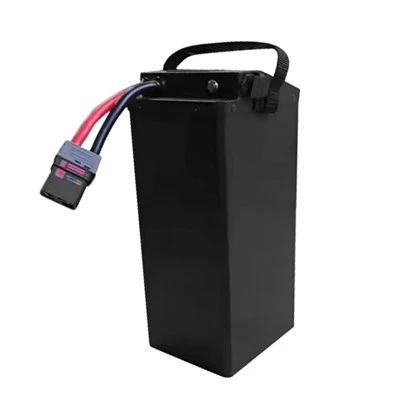
At our company, we offer a range of high-quality 48v e-bike batteries to suit different needs and preferences. Check out our 48v Lithium Ion Battery Ebike, which is designed to provide reliable power and long-lasting performance. This battery is made with high-quality lithium-ion cells and features a built-in battery management system (BMS) to protect against overcharging, over-discharging, and short circuits.
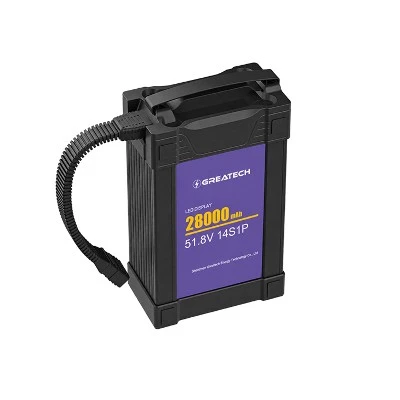
We also have the E-Bike 48V 10Ah 480Wh Li-ion Battery, which is a great option for riders who need a compact and lightweight battery with a decent amount of capacity. This battery is easy to install and can provide a range of up to [X] miles on a single charge, depending on the riding conditions and the e-bike's motor.
For those who need more power and capacity, we recommend our 48V 15ah 40A BMS Electric Bike Lithium Ion Battery Pack E Bike Battery LiFePO4 Battery. This battery is made with lithium iron phosphate (LiFePO4) cells, which are known for their high energy density, long lifespan, and excellent safety performance. With a capacity of 15ah and a 40A BMS, this battery can provide a longer range and more power for your e-bike.
Conclusion
In conclusion, the cut-off voltage of a 48v e-bike battery is an important factor to consider when using and maintaining your e-bike. By understanding what cut-off voltage is, why it matters, and how to determine it, you can ensure that your battery lasts longer and performs better.
If you're in the market for a new 48v e-bike battery, we encourage you to check out our products. We offer high-quality batteries at competitive prices, and our team of experts is always available to answer any questions you may have. Whether you're a casual rider or a serious cyclist, we have the perfect battery for your needs.
If you're interested in purchasing our 48v e-bike batteries or have any questions about our products, feel free to reach out to us. We'd love to help you find the right battery for your e-bike and get you back on the road in no time.
References
- Battery University: A comprehensive resource for battery knowledge and information.
- E-bike manufacturers' websites: Many e-bike manufacturers provide detailed information about their batteries, including cut-off voltage and other specifications.
- Online forums and communities: E-bike enthusiasts often share their experiences and knowledge about batteries, which can be a valuable source of information.