







As a supplier of 24V 500Ah batteries, I often get asked about the cost of these power - storage units. Determining the cost of a 24V 500Ah battery isn't as straightforward as it may seem, as it involves a multitude of factors that influence the final price.
1. Battery Chemistry
The type of battery chemistry is one of the most significant factors affecting the cost. There are several common chemistries for 24V 500Ah batteries, including lead - acid, lithium - ion, and nickel - cadmium.
Lead - acid batteries are the most traditional option. They are relatively inexpensive to produce, thanks to the widespread availability of lead and the well - established manufacturing processes. The raw materials for lead - acid batteries are abundant, and the technology has been around for a long time, which has driven down production costs. However, they have a relatively short lifespan compared to other chemistries, and they are heavier. A 24V 500Ah lead - acid battery might cost anywhere from a few hundred to a couple of thousand dollars, depending on the quality and brand.
Lithium - ion batteries, on the other hand, are more expensive. Lithium is a less common element, and the manufacturing process for lithium - ion batteries is more complex and requires higher - tech facilities. However, they offer many advantages over lead - acid batteries. They have a much longer lifespan, can be charged and discharged more times, are lighter in weight, and have a higher energy density. A 24V 500Ah lithium - ion battery can cost several thousand dollars. The high initial cost is often offset by the long - term savings in terms of replacement frequency and better performance.
Nickel - cadmium batteries are less common for large - scale energy storage applications like a 24V 500Ah battery. Cadmium is a toxic metal, which makes the production and disposal of these batteries more regulated and costly. They also have a lower energy density compared to lithium - ion batteries. As a result, the cost of a 24V 500Ah nickel - cadmium battery is usually relatively high, and they are not as popular in the market.
2. Brand and Quality
The brand of the battery also plays a crucial role in determining its cost. Well - known brands with a reputation for high - quality products often charge a premium. These brands invest heavily in research and development to improve battery performance, safety, and reliability. They also have strict quality control measures in place during the manufacturing process.
For example, a battery from a top - tier brand might have better protection against overcharging, over - discharging, and short - circuits. It may also have a more accurate state - of - charge indicator. In contrast, generic or lesser - known brands may offer lower - cost options, but there could be a trade - off in terms of quality and performance. When purchasing a 24V 500Ah battery, it's essential to balance the cost with the reliability and performance you need.
3. Application and Design
The intended application of the battery can also influence its cost. If the battery is designed for a specific, demanding application, such as in a solar power system where it needs to handle frequent charge - discharge cycles, or in an electric vehicle where it needs to provide high - power output, it will likely cost more.
Specialized designs, such as batteries with built - in battery management systems (BMS), can also increase the cost. A BMS helps to monitor and control the battery's charging and discharging processes, ensuring its safety and longevity. Batteries with advanced features like temperature sensors, which can adjust the charging rate based on the ambient temperature, are also more expensive.
4. Market Conditions
Market conditions, including the supply and demand of raw materials, can have a significant impact on the cost of a 24V 500Ah battery. For instance, if there is a shortage of lithium due to increased demand for lithium - ion batteries in the electric vehicle market, the cost of lithium - ion 24V 500Ah batteries will likely increase.
Similarly, changes in the global economy, such as fluctuations in currency exchange rates and trade policies, can affect the cost of importing or exporting batteries. If a battery is manufactured in a country with a strong currency, it may be more expensive for buyers in countries with weaker currencies.

Cost Comparison with Other Battery Capacities
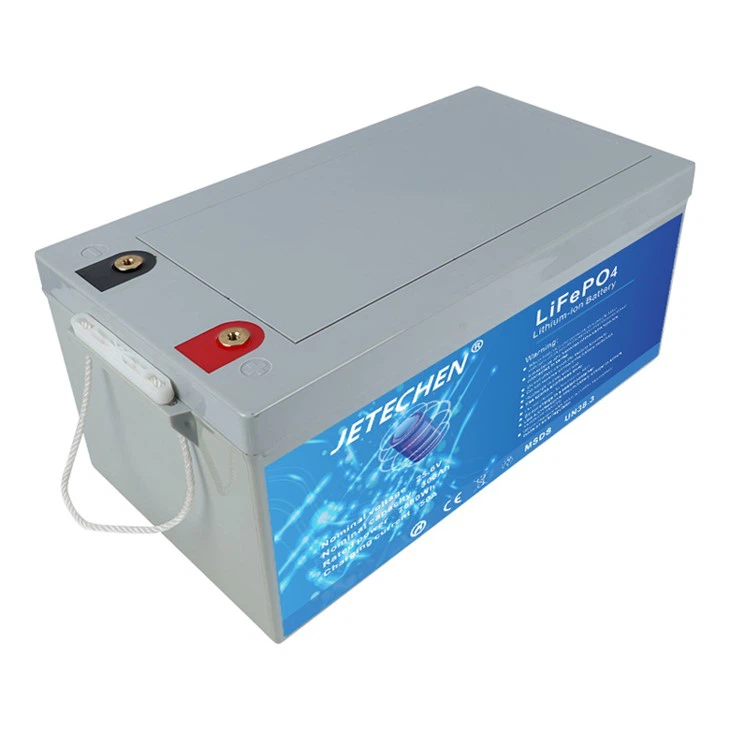
It's also interesting to compare the cost of a 24V 500Ah battery with other capacities in the 24V range. For example, a 24V 300Ah Battery will generally cost less than a 24V 500Ah battery. This is because it has a lower energy storage capacity, which means less raw material is used in its production.
On the other hand, a 24V 150Ah Battery will be even cheaper. However, if your application requires a large amount of energy storage, you may need to consider the cost - effectiveness of multiple smaller - capacity batteries versus a single larger - capacity battery. Sometimes, using multiple smaller batteries can be more expensive in the long run due to the additional cost of installation and management.
Conclusion
In conclusion, the cost of a 24V 500Ah Battery can vary widely depending on battery chemistry, brand, quality, application, and market conditions. When considering purchasing a 24V 500Ah battery, it's important to carefully evaluate your needs and budget.
If you are in the market for a 24V 500Ah battery, I encourage you to reach out to discuss your specific requirements. We can provide you with detailed information about our battery products, including their features, performance, and cost. Whether you need a battery for a renewable energy system, a backup power supply, or an industrial application, we have the expertise to help you make the right choice.
References
- Battery University. "Battery Basics." A comprehensive resource on battery technologies and their characteristics.
- Industry reports on battery manufacturing and market trends. These reports provide insights into the factors affecting battery costs, such as raw material prices and demand - supply dynamics.


