




Hey there! As a supplier of 48V batteries, I often get asked about the cycle life of these power sources. So, let's dive right in and explore what the cycle life of a 48V battery really means.
First off, what's a cycle? A charge - discharge cycle of a battery is when you charge the battery from a low state of charge to a full state and then discharge it back to a certain low state. For most 48V batteries, the cycle life is a crucial factor that determines how long the battery will be useful in your device.
There are different types of 48V batteries, and each has its own typical cycle life. Let's start with lead - acid batteries. These are some of the older and more traditional types of batteries. Lead - acid 48V batteries usually have a cycle life ranging from 300 to 500 cycles under normal usage conditions. That means you can charge and discharge them 300 to 500 times before their performance starts to degrade significantly. The main reason for this relatively low cycle life is the chemical reactions that occur inside the battery during charging and discharging. Over time, the lead plates inside the battery can sulfate, which reduces the battery's ability to hold a charge.
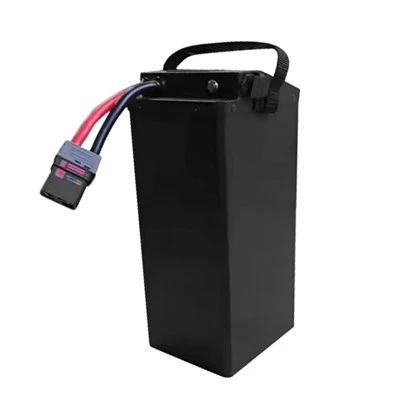
On the other hand, lithium - ion batteries are a game - changer when it comes to cycle life. A 48V 30Ah Lithium Ion Battery can have a cycle life of anywhere from 1000 to 3000 cycles. Lithium - ion technology is more advanced, and the chemical reactions are more stable compared to lead - acid batteries. This stability allows the battery to go through many more charge - discharge cycles without a large drop in performance. The materials used in lithium - ion batteries, such as lithium cobalt oxide or lithium manganese oxide, are designed to handle repeated charging and discharging better.
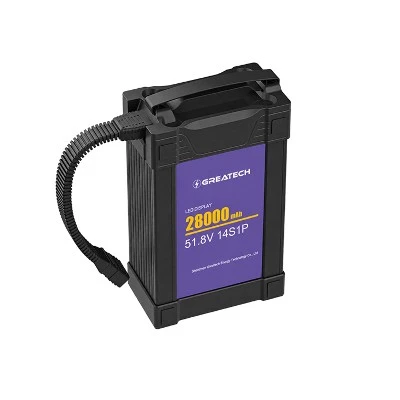
Another popular type is the 48V Lithium Iron Phosphate Battery. These batteries are known for their long cycle life, often exceeding 2000 cycles and sometimes even reaching up to 5000 cycles. Lithium iron phosphate (LiFePO4) has a very stable crystal structure, which can withstand a large number of charge - discharge cycles without breaking down. This makes them ideal for applications where long - term reliability is crucial, like in electric vehicles or solar energy storage systems.
Now, the cycle life of a 48V battery isn't just determined by its chemistry. There are several other factors that can affect it. One of the most important factors is the depth of discharge (DoD). The depth of discharge refers to how much of the battery's capacity you use during each discharge cycle. If you only discharge your battery by 20% each time, it will have a much longer cycle life compared to if you discharge it by 80% or more. For example, a lithium - ion battery might last 3000 cycles if you keep the DoD at 20%, but only 1000 cycles if you regularly discharge it to 80%.
Temperature also plays a big role. Batteries don't like extreme temperatures. High temperatures can speed up the chemical reactions inside the battery, causing it to age faster. On the other hand, very low temperatures can reduce the battery's performance and capacity. For optimal cycle life, it's best to keep your 48V battery in a temperature - controlled environment, ideally between 20°C and 25°C.
The charging method is another key factor. Using the wrong charger or overcharging the battery can significantly reduce its cycle life. A good charger will have features like over - charge protection and will charge the battery at the right rate. For instance, fast - charging a battery too often can cause stress on the battery cells and lead to a shorter cycle life.
If you're using a 48V Motorcycle Charging Battery, the way you ride your motorcycle can also impact the battery's cycle life. Aggressive riding, with frequent acceleration and braking, can put more strain on the battery compared to a smooth, steady - paced ride.
So, why does cycle life matter? Well, if you're using a 48V battery in an application where replacing the battery is expensive or inconvenient, a longer cycle life means you'll save money in the long run. For example, in an electric vehicle, a battery with a long cycle life will last for many years without needing to be replaced, reducing the overall cost of ownership.
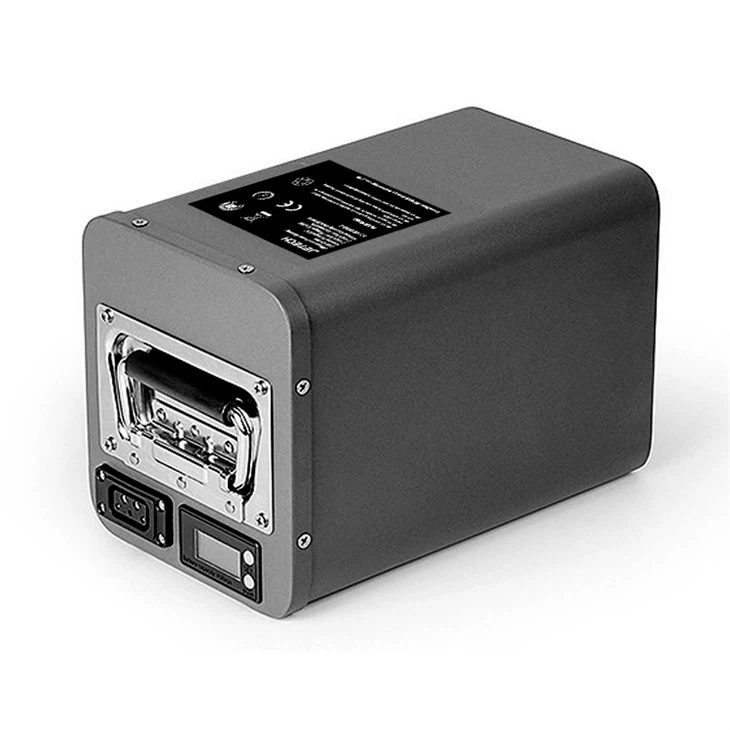
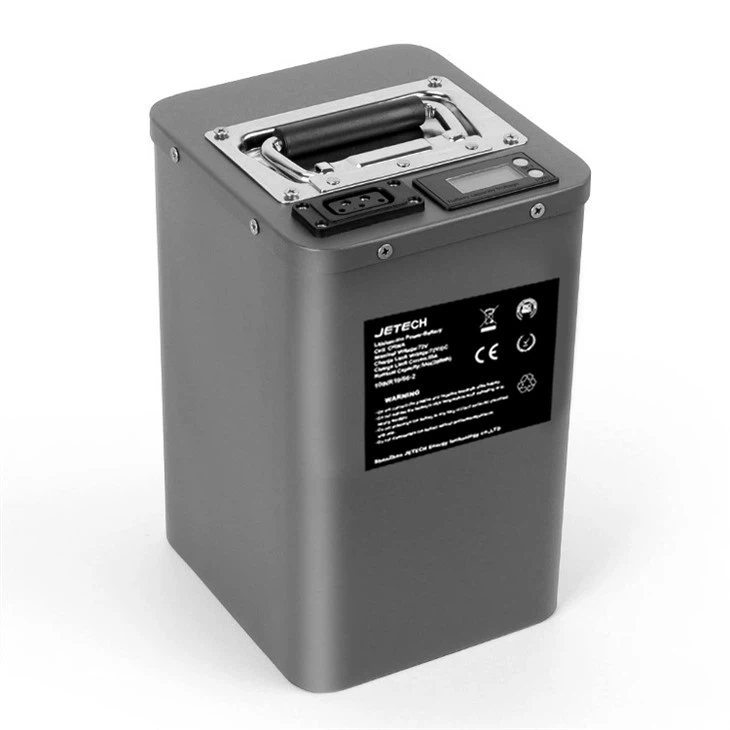
As a 48V battery supplier, I understand the importance of cycle life for our customers. That's why we offer a wide range of 48V batteries with different cycle lives to meet various needs. Whether you need a battery for a small electric scooter or a large - scale energy storage system, we've got you covered.
If you're in the market for a 48V battery, it's essential to consider the cycle life along with other factors like cost, capacity, and weight. Don't just go for the cheapest option; think about how long the battery will last and how it will perform in your specific application.
If you have any questions about our 48V batteries or want to discuss your specific requirements, feel free to reach out. We're here to help you find the perfect battery solution for your needs. Whether you're a hobbyist building a small electric project or a business looking for a reliable power source, we can work with you to find the right 48V battery with the best cycle life for your situation.
In conclusion, the cycle life of a 48V battery varies depending on its type, usage conditions, and how well it's maintained. By understanding these factors, you can make an informed decision when purchasing a 48V battery. And if you're interested in our products, don't hesitate to contact us for more information and to start the procurement process. We look forward to working with you to power your projects!
References:
- Linden, D., & Reddy, T. B. (2002). Handbook of Batteries. McGraw - Hill.
- Marschalk, C., & Cairns, E. J. (1997). Batteries for Electric Vehicles. Springer.