




Hey there! As a supplier of 6V batteries, I know how crucial it is to ensure the safety of these power sources during use. In this blog, I'll share some tips and tricks to help you keep your 6V battery in top - notch condition and avoid any potential safety hazards.
1. Understanding Your 6V Battery
First things first, it's important to understand the type of 6V battery you're dealing with. There are different kinds, such as lead - acid, lithium - ion, and nickel - metal hydride. Each type has its own unique characteristics and safety requirements.
For example, lead - acid batteries are commonly used in applications like golf carts, wheelchairs, and some backup power systems. They're relatively inexpensive but contain sulfuric acid, which can be corrosive. On the other hand, lithium - ion batteries are lighter and have a higher energy density, but they can be more sensitive to overcharging and overheating.
2. Proper Storage
Storing your 6V battery correctly is a key step in ensuring its safety. If you're not using the battery for an extended period, here's what you should do:
- Charge it partially: For lead - acid batteries, it's a good idea to charge them to about 50 - 75% of their capacity before storage. This helps prevent self - discharge and sulfation, which can damage the battery. Lithium - ion batteries, on the other hand, should be stored at around 40 - 60% charge.
- Store in a cool, dry place: Extreme temperatures can have a negative impact on battery performance and safety. Avoid storing the battery in direct sunlight or in areas with high humidity. A temperature range of 20 - 25°C (68 - 77°F) is ideal.
- Keep it clean: Make sure the battery terminals are clean and free of dirt, corrosion, or debris. You can use a mixture of baking soda and water to clean the terminals gently.
3. Correct Installation
When installing your 6V battery, follow these guidelines:
- Check the polarity: Always double - check the positive (+) and negative (-) terminals before connecting the battery. Reversing the polarity can cause short - circuits, overheating, and even damage to the battery and the device it powers.
- Use the right cables: Make sure the cables you use are the appropriate size and type for your battery. Using cables that are too thin can lead to excessive resistance, which can cause the battery to overheat.
- Secure the battery: Ensure that the battery is securely mounted in its holder or enclosure. Loose batteries can move around during use, which can damage the terminals and cause short - circuits.
4. Charging Safety
Charging is one of the most critical aspects of battery safety. Here are some charging tips:
- Use a compatible charger: Always use a charger that is specifically designed for your 6V battery type. Using an incompatible charger can lead to overcharging, overheating, and reduced battery life.
- Monitor the charging process: Keep an eye on the battery while it's charging. If you notice any signs of overheating, swelling, or strange odors, stop the charging process immediately.
- Don't overcharge: Overcharging can cause the battery to overheat, release gases, and even explode in extreme cases. Most modern chargers have built - in safety features to prevent overcharging, but it's still a good idea to unplug the charger once the battery is fully charged.
5. Usage Precautions
During normal use, there are several precautions you should take:
- Avoid over - discharging: Over - discharging a battery can damage its internal structure and reduce its capacity. Most devices have a low - voltage cutoff feature to prevent over - discharging, but it's still important to monitor the battery level regularly.
- Don't expose to extreme conditions: Avoid using the battery in extremely hot or cold environments. High temperatures can cause the battery to overheat, while low temperatures can reduce its performance.
- Inspect regularly: Check the battery for any signs of damage, such as cracks, leaks, or bulges. If you notice any damage, stop using the battery immediately and replace it.
6. Disposal
When it's time to dispose of your 6V battery, do it responsibly. Batteries contain hazardous materials, so they should not be thrown in the regular trash. Instead, take them to a recycling center or a designated battery disposal facility.
Our Product Range
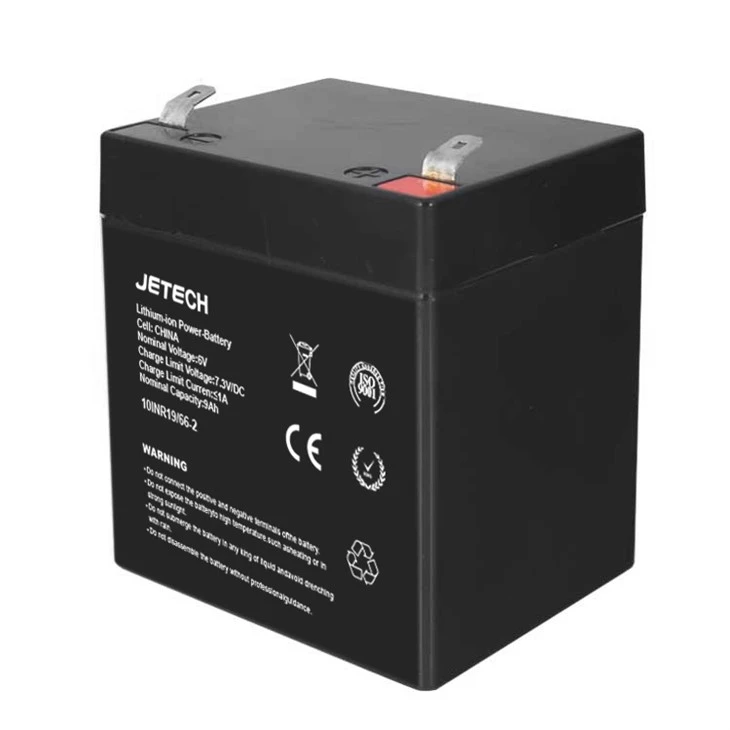
As a 6V battery supplier, we offer a wide range of high - quality 6V batteries to meet your needs. Some of our popular products include the 6V 7Ah Battery, the 6V 4Ah Battery, and the 6V 9Ah Battery. These batteries are designed to provide reliable performance and long - lasting power.
If you're interested in purchasing our 6V batteries or have any questions about battery safety, feel free to reach out to us. We're here to help you find the right battery for your application and ensure that you use it safely.

References
- Battery University: A comprehensive resource for battery knowledge and safety information.
- Manufacturer's manuals: Always refer to the manufacturer's instructions for specific safety guidelines and recommendations for your battery.