




Hey there! As a supplier of 24V 150Ah batteries, I've gotten a ton of questions about high - rate discharge and its effects on these powerhouses. So, I thought I'd sit down and write this blog to share what I've learned over the years.
First off, let's understand what high - rate discharge actually means. When we talk about high - rate discharge, we're referring to the process where a battery releases a large amount of current in a short period. For a 24V 150Ah battery, which is designed to provide a certain amount of power over a standard discharge time, high - rate discharge is like asking it to sprint instead of jog.


One of the most immediate effects of high - rate discharge is on the battery's voltage. During high - rate discharge, the battery voltage drops more rapidly compared to a normal discharge rate. This is because the internal resistance of the battery causes a voltage drop when a large current flows through it. For instance, if you're using a 24V 150Ah Battery in a system that requires a sudden surge of power, the voltage might dip below the normal operating range. This can be a real problem for devices that are sensitive to voltage fluctuations. Some equipment might shut down automatically to protect themselves from the low voltage, or it could even cause damage over time.
Another significant effect is on the battery's capacity. When a 24V 150Ah battery undergoes high - rate discharge, its effective capacity decreases. You see, the rated capacity of a battery is usually measured under specific, relatively slow discharge conditions. But when you push it to high - rate discharge, not all of the active materials in the battery can react quickly enough to release energy. So, even though the battery is rated for 150Ah, you might not be able to get the full 150Ah out of it during high - rate discharge. In some cases, the available capacity could drop by as much as 30 - 40%! That means you'll have to recharge the battery more frequently, which can be a hassle, especially in applications where continuous power is crucial.
Heat generation is also a major concern during high - rate discharge. The internal resistance of the battery causes power dissipation in the form of heat when a large current flows. For a 24V 150Ah battery, high - rate discharge can cause the battery to heat up significantly. Excessive heat is not good for the battery's health. It can accelerate the chemical reactions inside the battery, which leads to faster degradation of the battery components. Over time, this can reduce the battery's lifespan. In extreme cases, if the heat isn't managed properly, it could even lead to thermal runaway, where the battery overheats uncontrollably and can cause a fire or explosion.
Now, let's talk about the impact on the battery's cycle life. Cycle life refers to the number of charge - discharge cycles a battery can go through before its capacity drops to a certain level. High - rate discharge puts a lot of stress on the battery, and this stress shortens the cycle life. Each high - rate discharge cycle causes more wear and tear on the battery's electrodes and electrolyte compared to a normal discharge cycle. So, if you frequently subject your 24V 150Ah battery to high - rate discharge, you'll find that it won't last as long as it would under normal operating conditions.
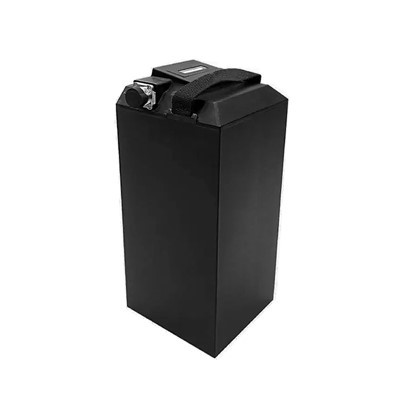
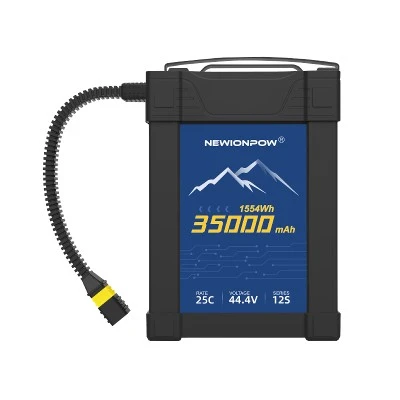
However, it's not all doom and gloom. There are applications where high - rate discharge is necessary. For example, in electric vehicles during acceleration or in some backup power systems when there's a sudden power outage. In these cases, you need the battery to deliver a large amount of power quickly. That's where our 24V 150Ah Battery comes in. We've designed our batteries to handle high - rate discharge better than many others on the market. We use high - quality materials and advanced manufacturing techniques to reduce the internal resistance, which helps to minimize the voltage drop and heat generation during high - rate discharge.
If you're in a situation where you need a battery that can handle high - rate discharge, but you're not sure if a 24V 150Ah battery is the right fit for you, we also offer other options. For example, our 24V 100Ah Battery might be a good choice if you need a smaller capacity but still require high - rate discharge capabilities. On the other hand, if you need a much larger capacity, our 24V 500Ah Battery could be the solution.
In conclusion, high - rate discharge has several effects on a 24V 150Ah battery, including voltage drop, reduced capacity, heat generation, and shortened cycle life. But with the right battery selection and proper management, you can still use high - rate discharge effectively in your applications. If you're interested in learning more about our 24V 150Ah batteries or any of our other products, feel free to reach out. We're always happy to help you find the best battery solution for your needs. Whether you're a small business owner looking for a reliable backup power source or an engineer working on a high - tech project, we've got the expertise and the products to support you.
References:
- Battery Technology Handbook, various editions
- Industry research papers on battery performance under high - rate discharge