




Hey there! As a 4S battery supplier, I've seen firsthand how high - discharge can impact these batteries. In this blog, I'll break down what high - discharge means, how it affects 4S batteries, and what you need to know if you're thinking about using high - discharge 4S batteries.
Let's start with the basics. A 4S battery is a lithium - polymer (LiPo) battery that consists of four cells connected in series. Each cell typically has a nominal voltage of around 3.7V, so a 4S battery has a nominal voltage of about 14.8V. These batteries are commonly used in various applications, like drones, RC cars, and other high - performance devices.
High - discharge refers to the ability of a battery to deliver a large amount of current in a short period. For example, if a battery has a high - discharge rating, it can supply a high current to power a device that requires a lot of energy quickly, such as a high - speed drone or a powerful RC car.
Impact on Battery Life
One of the most significant impacts of high - discharge on a 4S battery is its effect on battery life. When a battery is discharged at a high rate, it generates more heat. Heat is the enemy of LiPo batteries. Excessive heat can cause the internal structure of the battery to break down over time. The chemical reactions inside the battery become more intense during high - discharge, which can lead to the degradation of the battery's electrodes and electrolyte.
As the battery degrades, its capacity to hold a charge decreases. You'll notice that the battery doesn't last as long as it used to. For instance, if you initially got 30 minutes of flight time from your drone with a fully charged 4S battery, after repeated high - discharge cycles, that flight time might drop to 20 minutes or even less.
Voltage Sag
Another impact is voltage sag. When a 4S battery is under high - discharge, the voltage can drop significantly. This is because the internal resistance of the battery causes a voltage drop as the current flows through it. In high - performance applications, a sudden voltage sag can lead to a loss of power. For example, in a drone, a voltage sag might cause the motors to lose power, resulting in a loss of altitude or even a crash.
This voltage sag can also affect the performance of the device. If you're using a 4S battery in an RC car, a sudden drop in voltage can make the car slow down or lose its acceleration. It's important to note that different 4S batteries have different levels of voltage sag under high - discharge. Some high - quality batteries are designed to minimize voltage sag, but it's still a factor to consider.
Safety Concerns
High - discharge can also pose safety risks. As mentioned earlier, high - discharge generates heat. If the heat isn't managed properly, it can lead to thermal runaway. Thermal runaway is a situation where the battery's temperature rises uncontrollably, which can cause the battery to swell, leak, or even catch fire.
To prevent these safety issues, it's crucial to use a battery with a high - discharge rating that is appropriate for your application. Also, make sure to use a proper charger and follow the manufacturer's guidelines for charging and discharging.
Performance in Different Applications
Let's look at how high - discharge 4S batteries perform in different applications.
Drones
In drones, high - discharge 4S batteries are essential for achieving high - speed flights and performing acrobatic maneuvers. The high current output allows the drone's motors to spin at high speeds, providing the necessary lift and thrust. However, as we've discussed, the high - discharge can also lead to a shorter battery life and potential voltage sag.
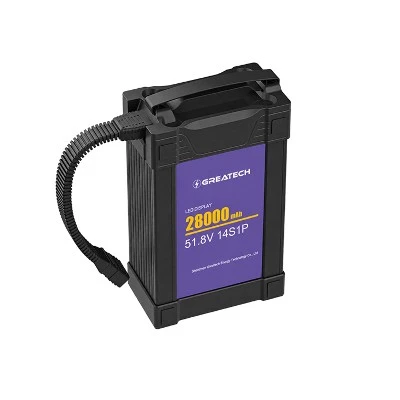
If you're a drone enthusiast, you might want to consider using a high - quality 4S battery like the 14.8V 16000mAh Lipo Battery. This battery is designed to handle high - discharge rates while providing a relatively long flight time.


RC Cars
For RC cars, high - discharge 4S batteries can provide the power needed for high - speed racing. The high current output allows the car to accelerate quickly and reach top speeds. But again, the high - discharge can cause the battery to heat up and degrade faster. A good option for RC cars could be the 14.8V 22000mAh Lipo Battery, which offers a high capacity and can handle high - discharge rates.
Other High - Performance Devices
In other high - performance devices, such as portable power tools or electric scooters, high - discharge 4S batteries can provide the necessary power. However, it's important to choose a battery that is compatible with the device's power requirements. For example, if you're using a power tool that requires a high - current output, you might want to consider a 14.8V 10000mAh Lipo Battery.
How to Mitigate the Impact of High - Discharge
If you're using high - discharge 4S batteries, there are several things you can do to mitigate the negative impacts.
- Proper Charging: Use a charger that is designed for LiPo batteries and follow the manufacturer's charging instructions. Overcharging or undercharging can damage the battery and reduce its lifespan.
- Temperature Management: Try to keep the battery at a moderate temperature. Avoid using the battery in extremely hot or cold conditions. If the battery gets too hot during use, let it cool down before using it again.
- Limit High - Discharge Cycles: If possible, try to limit the number of high - discharge cycles. For example, if you're using a drone, avoid performing continuous high - speed flights or acrobatic maneuvers for extended periods.
Conclusion
In conclusion, high - discharge can have both positive and negative impacts on 4S batteries. On one hand, it allows for high - performance applications, but on the other hand, it can reduce battery life, cause voltage sag, and pose safety risks. As a 4S battery supplier, I recommend choosing the right battery for your application and taking proper care of it to ensure optimal performance and safety.
If you're interested in purchasing high - quality 4S batteries for your high - performance devices, feel free to reach out to me. I can help you find the best battery for your needs and provide you with all the information you need to use it safely and effectively. Let's have a chat about your requirements and see how I can assist you in getting the most out of your 4S batteries.
References
- Battery University: A comprehensive resource for battery knowledge and technology.
- LiPo Battery Manufacturer Manuals: These manuals provide detailed information about the specific characteristics and usage guidelines of LiPo batteries.