




As a supplier of 80V batteries, I often get asked about the lifespan of these power - packed energy sources. Understanding the lifespan of an 80V battery is crucial for both consumers and businesses, as it directly impacts the cost - effectiveness and long - term usability of the product. In this blog post, I'll delve into the factors that influence the lifespan of an 80V battery and provide some insights based on industry knowledge and experience.
Battery Chemistry
The first and perhaps most significant factor affecting the lifespan of an 80V battery is its chemistry. There are several types of battery chemistries available in the market, and each has its own unique characteristics and lifespan expectations.
-
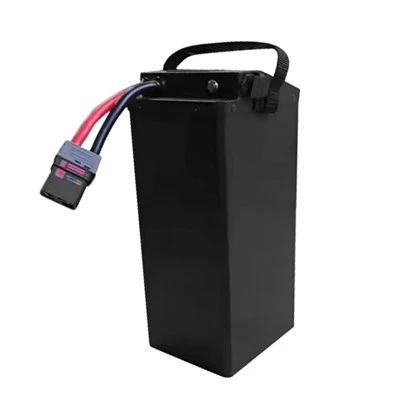
Lithium - Ion Batteries: Lithium - ion batteries are widely used in various applications due to their high energy density, low self - discharge rate, and relatively long lifespan. For an 80V lithium - ion battery like the 80V 50Ah Lithium Ion Battery, under normal operating conditions, it can typically endure between 500 to 1000 charge - discharge cycles. A charge - discharge cycle is defined as the process of charging the battery from empty to full and then discharging it back to empty. However, if the battery is used in a more demanding environment, such as in high - temperature conditions or with rapid charging and discharging, the number of cycles may be reduced.
-
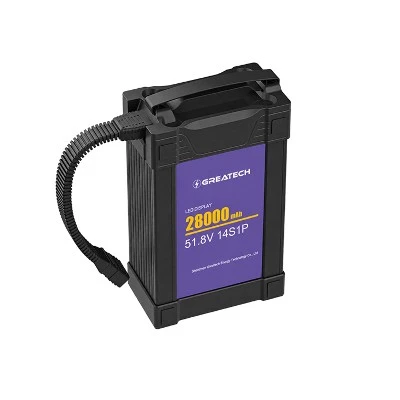
LiFePO4 Batteries: Lithium iron phosphate (LiFePO4) batteries are another popular choice for 80V applications. They are known for their excellent thermal stability, long cycle life, and high safety. An 80V 200Ah LiFePo4 Battery or an 80V 100Ah LiFePo4 Battery can often achieve 2000 to 5000 charge - discharge cycles. This makes them a great option for applications that require frequent charging and discharging, such as electric vehicles and energy storage systems.
Operating Conditions
The environment in which the 80V battery operates plays a crucial role in determining its lifespan.
-
Temperature: Temperature is one of the most critical factors. High temperatures can accelerate the chemical reactions inside the battery, leading to faster degradation of the battery materials. For example, if an 80V battery is exposed to temperatures above 60°C (140°F) for an extended period, the electrolyte may break down, and the electrodes may corrode, significantly reducing the battery's lifespan. On the other hand, extremely low temperatures can also affect the battery's performance, as the chemical reactions slow down, and the battery may not be able to deliver its full capacity.
-
Charge and Discharge Rates: The rate at which the battery is charged and discharged also impacts its lifespan. Rapid charging and discharging generate more heat and put more stress on the battery's internal components. For instance, if you constantly charge an 80V battery at a very high current, it can cause lithium plating on the electrodes, which can lead to short - circuits and a shortened lifespan. It is recommended to follow the manufacturer's guidelines for charging and discharging rates to ensure the longevity of the battery.
Maintenance and Usage Patterns
Proper maintenance and usage patterns can significantly extend the lifespan of an 80V battery.
-
Regular Charging and Discharging: It is important to avoid over - charging and over - discharging the battery. Over - charging can cause the battery to overheat and damage the internal components, while over - discharging can lead to irreversible damage to the electrodes. Many modern 80V batteries are equipped with battery management systems (BMS) that help prevent over - charging and over - discharging. However, it is still a good practice to monitor the battery's state of charge regularly.
-
Storage Conditions: If the 80V battery is not in use for an extended period, proper storage is essential. The battery should be stored in a cool, dry place and at a partial state of charge (usually around 50% to 60%). Storing the battery at a full charge or a completely empty charge for a long time can cause damage to the battery.
Real - World Examples
To give you a better understanding of how these factors interact in real - world scenarios, let's consider two examples.
-
Electric Motorcycle Application: Suppose an electric motorcycle uses an 80V battery. The rider commutes to work every day, which involves a moderate amount of charging and discharging. If the battery is a LiFePO4 battery and the motorcycle is well - maintained, and the rider follows the recommended charging and discharging practices, the battery can last for several years. For example, if the battery has a cycle life of 3000 cycles and the rider charges the battery once a day, the battery could potentially last for over 8 years.
-
Energy Storage System: In an energy storage system, an 80V battery may be used to store energy from solar panels. The battery will be charged during the day when the solar panels are generating electricity and discharged at night when the energy is needed. If the system is installed in an area with a moderate climate and the battery is properly sized and maintained, it can provide reliable energy storage for a long time. However, if the system is in a hot climate and the battery is frequently over - discharged, its lifespan will be significantly reduced.
How to Maximize the Lifespan of an 80V Battery
As a supplier, I always recommend the following tips to my customers to maximize the lifespan of their 80V batteries:
-
Choose the Right Battery Chemistry: Based on your application requirements, select the battery chemistry that best suits your needs. If you need a long - cycle life and high safety, LiFePO4 batteries are a great option. If you need a high energy density and a more compact design, lithium - ion batteries may be more suitable.
-
Follow the Manufacturer's Guidelines: Always follow the manufacturer's instructions for charging, discharging, and storage. These guidelines are designed to ensure the optimal performance and longevity of the battery.
-
Invest in a Good Battery Management System (BMS): A BMS can help protect the battery from over - charging, over - discharging, and over - heating. It can also balance the cells in the battery pack, ensuring that each cell is charged and discharged evenly.
Conclusion
The lifespan of an 80V battery is influenced by multiple factors, including battery chemistry, operating conditions, maintenance, and usage patterns. By understanding these factors and taking appropriate measures, you can extend the lifespan of your 80V battery and get the most out of your investment.


If you are interested in purchasing an 80V battery for your application, we are here to help. Our team of experts can provide you with detailed information about our products and help you choose the right battery for your needs. Contact us today to start a procurement discussion and find the best 80V battery solution for you.
References
- Battery University. "How to Prolong Lithium - based Batteries."
- Manufacturer's specifications for 80V batteries.