


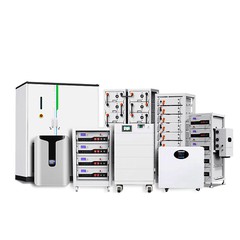


As a seasoned supplier of 72V batteries, I've witnessed firsthand the critical role that over - voltage protection plays in the performance and longevity of these power sources. In this blog, I'll delve into what over - voltage protection of a 72V battery is, why it's essential, and how it works.
Understanding Over - Voltage
Before we explore over - voltage protection, it's important to understand what over - voltage means. A 72V battery is designed to operate within a specific voltage range. When the voltage exceeds this upper limit, it is considered over - voltage. For a 72V battery, the normal operating voltage might typically range from around 60V to 84V, depending on the battery chemistry.
Over - voltage can occur due to various reasons. One common cause is a malfunction in the charging system. If the charger fails to regulate the voltage properly, it can send too much voltage to the battery. Another reason could be a problem in the electrical circuit where the battery is installed. For example, a short - circuit or a faulty component might cause a sudden spike in voltage.
The Dangers of Over - Voltage
Over - voltage can have severe consequences for a 72V battery. Firstly, it can lead to accelerated battery degradation. When a battery is exposed to over - voltage, the chemical reactions inside the battery can become unbalanced. This can cause the electrodes to break down, reducing the battery's capacity over time. For instance, in a lithium - ion battery, over - voltage can cause the lithium metal to deposit on the electrodes, which can lead to a short - circuit and potentially cause a fire or explosion.
Secondly, over - voltage can also affect the performance of the devices powered by the battery. Many electronic devices are designed to operate within a specific voltage range. If the battery supplies an over - voltage, it can damage the sensitive components of these devices. This can result in malfunctions, reduced lifespan of the devices, and even complete failure.
What is Over - Voltage Protection?
Over - voltage protection is a mechanism designed to prevent the battery from being exposed to excessive voltage. It acts as a safeguard, ensuring that the battery operates within its safe voltage range. There are several types of over - voltage protection methods, and I'll discuss some of the most common ones below.
1. Charge Controllers
Charge controllers are one of the most widely used over - voltage protection devices. They are typically integrated into the charging system. A charge controller monitors the voltage of the battery during the charging process. When the voltage reaches a pre - set upper limit, the charge controller reduces or stops the charging current. This prevents the battery from being over - charged.
For example, in our 72V Electric Motorcycle Battery, we use advanced charge controllers that are specifically designed to protect the battery from over - voltage. These charge controllers are highly accurate and can respond quickly to any voltage fluctuations.
2. Voltage Regulators
Voltage regulators are another important component of over - voltage protection. They are used to maintain a stable output voltage from the battery. A voltage regulator takes the input voltage from the battery and adjusts it to a constant output voltage. If the input voltage exceeds the safe range, the voltage regulator will limit the output voltage to a safe level.
Our 72V 30Ah LiFePo4 Battery is equipped with high - quality voltage regulators. These regulators ensure that the battery provides a stable voltage to the connected devices, even when there are voltage variations in the battery.
3. Fuses and Circuit Breakers
Fuses and circuit breakers are also used for over - voltage protection. A fuse is a small device that contains a thin wire. When the current exceeds a certain level due to over - voltage, the wire in the fuse melts, breaking the circuit and preventing further current flow. Circuit breakers, on the other hand, are reusable devices that can automatically trip when the current or voltage exceeds a safe limit.


In our 72V 100Ah LiFePo4 Battery, we use fuses and circuit breakers as an additional layer of protection. These devices can quickly cut off the power in case of an over - voltage situation, protecting the battery and the connected devices.
Importance of Over - Voltage Protection in Our Batteries
As a 72V battery supplier, we understand the importance of over - voltage protection. Our customers rely on our batteries to power their electric vehicles, renewable energy systems, and other high - performance devices. By providing batteries with reliable over - voltage protection, we ensure the safety and longevity of our products.
Our research and development team is constantly working on improving the over - voltage protection mechanisms in our batteries. We use the latest technologies and high - quality components to ensure that our batteries can withstand various voltage fluctuations. We also conduct rigorous testing on our batteries to ensure that the over - voltage protection systems work effectively.
Conclusion
In conclusion, over - voltage protection is a crucial aspect of a 72V battery. It protects the battery from damage, ensures the safety of the connected devices, and extends the lifespan of the battery. As a supplier, we are committed to providing high - quality 72V batteries with advanced over - voltage protection features.
If you are in the market for a reliable 72V battery, we invite you to contact us for a detailed discussion. We can provide you with more information about our products, including the over - voltage protection mechanisms, and help you choose the right battery for your specific needs. Whether you are an electric vehicle manufacturer, a renewable energy installer, or an individual looking for a high - performance battery, we are here to assist you.
References
- Linden, D., & Reddy, T. B. (2002). Handbook of Batteries. McGraw - Hill.
- Burke, A. F. (2007). Batteries and Ultracapacitors for Electric, Hybrid Electric, and Fuel Cell Vehicles. Proceedings of the IEEE, 95(4), 768 - 780.


