




As a trusted supplier of 24V 150Ah batteries, I understand the importance of ensuring that these power storage units operate within an optimal temperature range. In this blog post, I'll delve into the ideal temperature conditions for a 24V 150Ah battery to function properly, the impacts of temperature variations, and how to manage these conditions for long - term battery health.
The Optimal Temperature Range for 24V 150Ah Batteries
The optimal temperature range for most 24V 150Ah batteries, especially lead - acid batteries which are commonly used in various applications, is between 20°C and 25°C (68°F - 77°F). This range allows the battery to achieve the best balance between chemical reactions and electrical performance.
At this temperature, the internal resistance of the battery is relatively low. Low internal resistance means that less energy is wasted as heat during the charging and discharging processes. As a result, the battery can charge more efficiently, and it can deliver its rated capacity more effectively. For example, a 24V 150Ah battery operating at 22°C will be able to provide close to its full 150Ah capacity when discharged at a normal rate.
Effects of High Temperatures
When the temperature rises above the optimal range, several negative effects can occur. First of all, high temperatures accelerate the self - discharge rate of the battery. Self - discharge is the process by which a battery loses its charge even when it is not connected to a load. For a 24V 150Ah battery, if the temperature reaches 40°C (104°F), the self - discharge rate can increase significantly, causing the battery to lose its charge much faster than normal.
Moreover, high temperatures can cause the electrolyte in the battery to evaporate more quickly. In lead - acid batteries, the electrolyte is a mixture of sulfuric acid and water. Excessive evaporation can lead to a decrease in the electrolyte level, which in turn can damage the battery plates. The battery plates are crucial for storing and releasing electrical energy. Once they are damaged, the battery's capacity will decline, and its lifespan will be shortened.
Another issue with high - temperature operation is that it can cause thermal runaway. Thermal runaway is a dangerous situation where the heat generated by the battery during charging and discharging cannot be dissipated effectively. As a result, the temperature of the battery continues to rise, which further increases the internal resistance and the heat generation rate. This positive feedback loop can ultimately lead to battery failure or even a fire in extreme cases.
Effects of Low Temperatures
On the other hand, low temperatures also have a detrimental impact on the performance of 24V 150Ah batteries. When the temperature drops below 0°C (32°F), the chemical reactions inside the battery slow down significantly. This means that the battery's ability to accept a charge and deliver power is reduced.
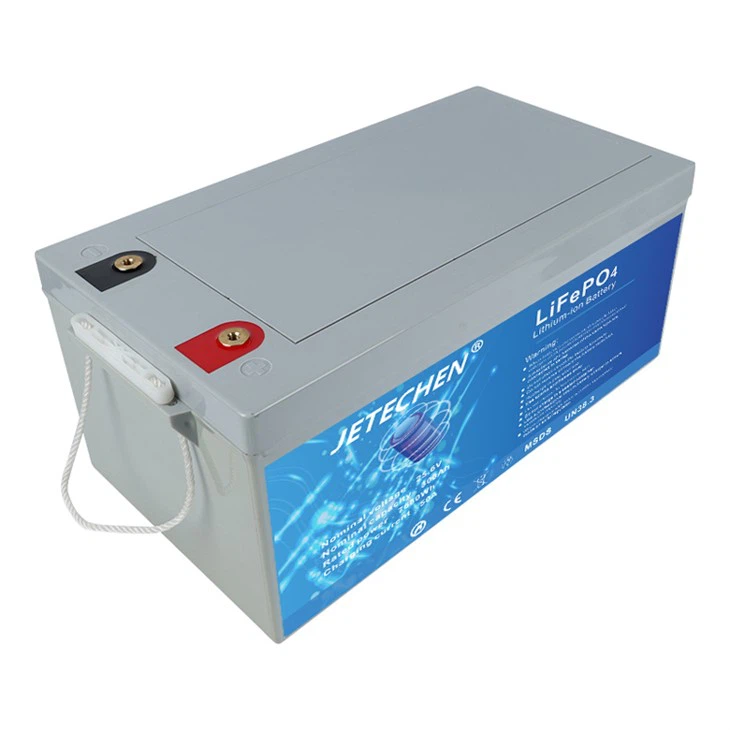

The internal resistance of the battery increases at low temperatures. Higher internal resistance means that more energy is lost as heat during charging and discharging. For instance, when a 24V 150Ah battery is discharged at - 10°C, it may only be able to deliver about 70% of its rated capacity. This reduction in capacity can be a major problem in applications where a full - capacity battery is required, such as in backup power systems for critical facilities.
In addition, low temperatures can cause the electrolyte in the battery to freeze. When the electrolyte freezes, it expands, which can crack the battery case and damage the internal components. Once the battery case is cracked, the electrolyte can leak out, posing a safety hazard and rendering the battery useless.
Temperature Management Strategies
To ensure that a 24V 150Ah battery operates within the optimal temperature range, proper temperature management strategies are essential. In high - temperature environments, it is important to provide adequate ventilation for the battery. Ventilation helps to dissipate the heat generated by the battery. For example, in a battery room, fans can be installed to circulate the air and keep the temperature down.
Thermal insulation can also be used in cold environments. Insulating the battery can help to maintain a relatively stable temperature inside the battery enclosure. Heaters can also be used in extremely cold conditions to keep the battery warm. However, it is important to control the heater carefully to avoid overheating the battery.
Comparison with Other Battery Capacities
If you are considering different battery capacities for your application, we also offer 24V 200Ah Battery, 24V 300Ah Battery, and 24V 400Ah Battery. These batteries have similar temperature - related performance characteristics. However, larger - capacity batteries may generate more heat during charging and discharging, so proper temperature management is even more important for them.
Conclusion
In conclusion, maintaining the proper temperature range is crucial for the proper operation and longevity of a 24V 150Ah battery. By understanding the effects of high and low temperatures and implementing appropriate temperature management strategies, you can ensure that your battery performs at its best and lasts for a long time.
If you are in the market for a 24V 150Ah battery or other related products, such as the 24V 200Ah Battery, 24V 300Ah Battery, or 24V 400Ah Battery, please feel free to contact us for more information and to discuss your specific requirements. We are committed to providing high - quality batteries and excellent customer service.
References
- Linden, D., & Reddy, T. B. (2002). Handbook of Batteries. McGraw - Hill.
- Berndt, D. (2000). Lead - Acid Batteries: Science and Technology. Springer.