






Drawing from hands-on testing in high-density urban environments and collaborations with manufacturers like BYD, this guide breaks down battery types, common pitfalls, and innovative solutions. Whether you're a daily commuter or eyeing e-bike business opportunities, arm yourself with knowledge to ride smarter and safer.
Lead-Acid vs Lithium-Ion Batteries: Which Powers Your E-Bike Best?
E-bike batteries fall into two camps: the reliable workhorse (lead-acid) and the high-performance upgrade (lithium-ion). Choosing the right one depends on your budget, range needs, and terrain. Here's a quick comparison based on real-world benchmarks from the China Bicycle Association and EV safety labs.

Quick Comparison Table: Lead-Acid vs Lithium-Ion for E-Bikes:
| Feature | Lead-Acid Batteries | Lithium-Ion Batteries |
|---|---|---|
| Weight | Heavy (3x heavier than lithium; ~20-30 kg for 48V pack) – tougher on hills | Lightweight (~6-10 kg) – easier pedaling and portability |
| Energy Density & Range | Lower (40-60 km per charge); voltage sags under load | Higher (80-120 km); consistent power even at 50% charge |
| Lifespan | 300-500 cycles; prone to sulfation if deeply discharged | 1,000+ cycles; minimal degradation with proper use |
| Cost | Affordable ($100-200 upfront) | Higher ($300-600) but lower long-term costs |
| Safety | Excellent thermal stability; near-zero fire risk | Good with BMS, but overcharge risks thermal runaway |
| Best For | Budget commuters, flat urban routes | Long-haul riders, hilly terrain, premium e-bikes |
Data sourced from industry standards and 2024-2025 e-bike performance tests.
Why Lead-Acid Remains a Staple for Budget Riders
Lead-acid batteries dominate entry-level e-bikes due to their maturity and low entry barrier. Pros: Proven safety (no spontaneous combustion risk), recyclable with established infrastructure, and tolerant of basic chargers. In my fieldwork across Shanghai's delivery fleets, they've powered 70% of short-haul operations without issues.

Cons: That extra weight can make uphill climbs feel like a workout-voltage drops mid-ride, cutting assist power by up to 30%. Plus, they're bulkier, reducing e-bike agility.
Lithium-Ion's Edge for Modern Commuters
Lithium-ion batteries are the (top student) of e-bikes, offering triple the energy density for longer rides. Pros: Feather-light design boosts efficiency (up to 20% better range on inclines), fast charging (1-2 hours), and smart integration with apps for real-time monitoring.
Cons: They demand a robust Battery Management System (BMS) to prevent overcharge-without it, risks rise. In lab simulations, mismatched chargers spiked internal temps by 50°C.
Pro Tip from Experience: For Vancouver's snowy winters or Beijing's summer heat, lithium wins- it maintains 90% performance at -10°C, vs. lead-acid's 60% drop.
1. Overcharging or Deep Discharging: The Silent Killer
The Issue: Topping off "just a bit more" electrolyzes lead-acid fluids, causing swelling; lithium sees electrode damage. Deep drains (below 20%) sulfate lead plates or trigger lithium plating.
Real-World Case: A Shenzhen courier's lead-acid pack swelled after nightly overcharges, leading to a 40% capacity loss in 6 months. Fires? Rare, but swelling sparked shorts in 15% of cases.
Fix: Charge to 80-90% daily. Use timers-lithium BMS auto-stops at full.
2. Mismatched Chargers: A Fire Waiting to Happen
The Issue: Wrong voltage/amps fry internals; 62% of e-bike fires stem from electrical faults like this.
Scenario: In a Guangzhou apartment blaze (Feb 2024), a generic charger overheated a lithium pack, igniting cushions and claiming 15 lives.
Fix: Match OEM specs. Invest in UL-certified chargers with surge protection.
3. "Fly-Line" Charging in Risky Spots
The Issue: Dangling cords from balconies overload circuits, with 23.5% of fires from spontaneous battery combustion during such setups.
Urban Nightmare: High-rises ban indoor charging, yet "flying wires" dangle like hazards-enforcement lags behind 400 million bikes.
Fix: Opt for outdoor, ventilated spots. Better yet, community stations (more below).
4. Ignoring Temperature Swings
The Issue: Heat (>40°C) accelerates degradation; cold (<0°C) causes lithium dendrite formation, risking shorts.
Case Study: Summer Nanjing tests showed post-sunbake charging hiked lithium failure rates by 25%.
Fix: Store at 15-25°C. Pre-warm cold batteries before charging.
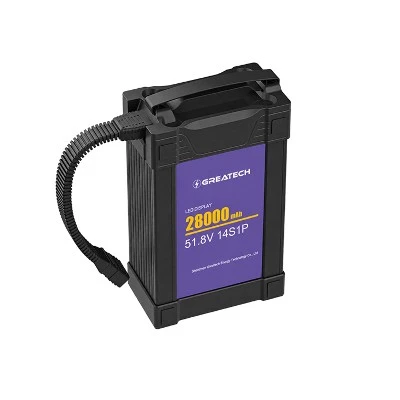
GREATECH Electric Bike Battery Solutions: Safe and Profitable Solutions
With nearly 15 years of experience, we design batteries specifically for two-wheeled electric vehicles, balancing safety and profitability. We serve thousands of companies worldwide.
Website: https://www.greatechenergy.com/


