




Hey there! As a 24v battery supplier, I often get asked, "Are 24v batteries waterproof?" It's a super important question, especially for those who plan to use these batteries in outdoor or wet environments. So, let's dive right in and find out the answer.
First off, it's crucial to understand that not all 24v batteries are created equal when it comes to water resistance. There are different types of 24v batteries, such as lead - acid, lithium - ion, and nickel - metal hydride, and each has its own level of protection against water.
Lead - Acid Batteries
Lead - acid batteries are one of the most common types of 24v batteries. They're often used in applications like golf carts, forklifts, and some off - grid power systems. Now, the standard lead - acid batteries you find on the market usually aren't fully waterproof. They have a plastic or rubber casing that offers some protection against splashes and light rain, but they're not designed to be submerged in water.
The reason is that water can seep into the battery through small gaps or vents. Once water gets inside, it can cause all sorts of problems. It can dilute the electrolyte solution, which is essential for the battery's operation. This dilution can lead to a decrease in battery performance and even damage the internal components over time.
However, there are some sealed lead - acid batteries (SLA) that are more water - resistant. These batteries are sealed to prevent the electrolyte from leaking, and they can handle a bit more moisture. But still, they're not meant to be underwater for extended periods.
Lithium - Ion Batteries
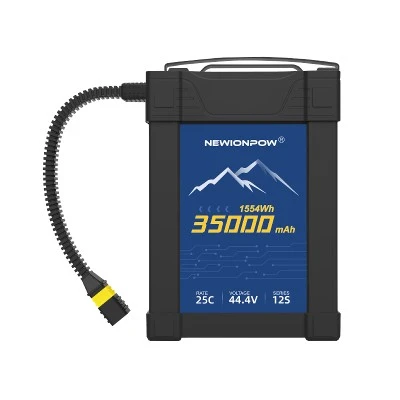
Lithium - ion 24v batteries are becoming increasingly popular due to their high energy density and long lifespan. In general, they're more sensitive to water than lead - acid batteries. Water can cause a short - circuit in the lithium - ion battery, which is extremely dangerous as it can lead to overheating, swelling, and even explosion in some cases.
Most lithium - ion 24v batteries come with a protective casing, but it's mainly to protect against physical damage rather than water. Some high - end lithium - ion batteries are designed with better water - proofing features, like IP (Ingress Protection) ratings. An IP rating consists of two digits. The first digit indicates the protection against solid objects, and the second digit shows the protection against water. For example, an IP67 rating means the battery is dust - tight and can be submerged in water up to 1 meter for 30 minutes. But these are usually more expensive and are used in specialized applications.
Nickel - Metal Hydride Batteries
Nickel - metal hydride 24v batteries are another option. They're less common than lead - acid and lithium - ion batteries but still have their uses. Similar to lead - acid batteries, they have a casing that offers some protection against water, but they're not waterproof. Water can damage the internal structure of the battery and reduce its performance.
Factors Affecting Water Resistance
There are a few factors that can affect a 24v battery's water resistance:
- Casing Material: A high - quality, thick - walled casing made of durable plastic or rubber will offer better protection against water compared to a thin or flimsy one.
- Sealing: Well - sealed batteries are less likely to let water in. Look for batteries with proper gaskets and seals around all openings.
- Vent Design: Batteries with well - designed vents can prevent water from entering while still allowing the necessary gas exchange.
Our 24v Battery Offerings
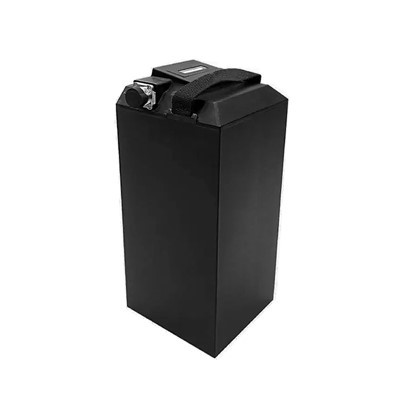
At our company, we offer a range of 24v batteries to suit different needs. If you're looking for a reliable 24v battery, check out our 24V 300Ah Battery. It's a high - capacity lead - acid battery that can handle light outdoor use. For those who need a more moderate - capacity option, our 24V 150Ah Battery is a great choice. And if you're on a budget or need a smaller battery, our 24V 100Ah Battery is a solid option.
Tips for Using 24v Batteries in Wet Conditions
If you need to use your 24v battery in a wet or outdoor environment, here are some tips:
- Use a Protective Enclosure: You can buy or make a waterproof enclosure for your battery. This will provide an extra layer of protection against water.
- Avoid Submerging: No matter what type of 24v battery you have, avoid submerging it in water. If it gets wet, dry it off as soon as possible.
- Check for Damage: Regularly inspect your battery for any signs of water damage, such as corrosion or a decrease in performance.
Conclusion
So, to answer the question "Are 24v batteries waterproof?" - it depends. Most standard 24v batteries aren't fully waterproof, but there are some options with better water - resistance features. If you need a battery for a wet environment, make sure to choose one with the appropriate IP rating or take extra precautions to protect it.
If you're interested in purchasing 24v batteries for your project, don't hesitate to reach out. We're here to help you find the right battery for your needs. Whether you're a small business owner or a DIY enthusiast, we have the expertise and products to meet your requirements. Contact us today to start the procurement process and get the best 24v batteries at competitive prices.


References
- Battery University: A comprehensive resource for battery knowledge.
- Manufacturer's manuals for different 24v battery models.