




Can a 12V battery be used for a UPS?
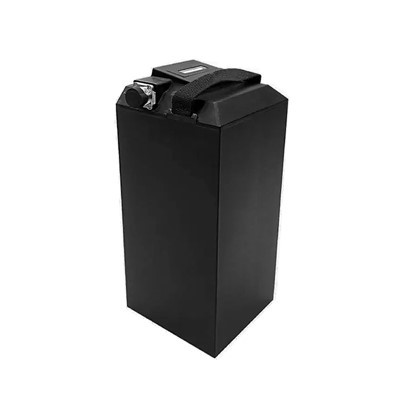
As a supplier of 12V batteries, I often get asked whether a 12V battery can be used for an Uninterruptible Power Supply (UPS). The short answer is yes, a 12V battery can be used for a UPS, but there are several factors to consider to ensure optimal performance and compatibility.
Understanding the Basics of a UPS
A UPS is a device that provides emergency power to a load when the input power source, typically the mains electricity, fails. It consists of a battery, a charger, an inverter, and a control circuit. The battery stores electrical energy, which is then converted into AC power by the inverter to supply the connected devices during a power outage.
Compatibility of 12V Batteries with UPS
Most small to medium - sized UPS systems are designed to work with 12V batteries. These UPS units are commonly used to protect personal computers, home electronics, and small office equipment. The 12V battery voltage is a standard in the industry, and many UPS manufacturers specify the use of 12V batteries in their product manuals.
However, not all 12V batteries are suitable for UPS applications. The key factors to consider are the battery type, capacity, and discharge rate.
Battery Type
- Lead - Acid Batteries: Traditional lead - acid batteries, including sealed lead - acid (SLA) and valve - regulated lead - acid (VRLA) batteries, have been widely used in UPS systems for many years. They are relatively inexpensive, have a long history of reliability, and can provide the high - current discharge required by UPS inverters.
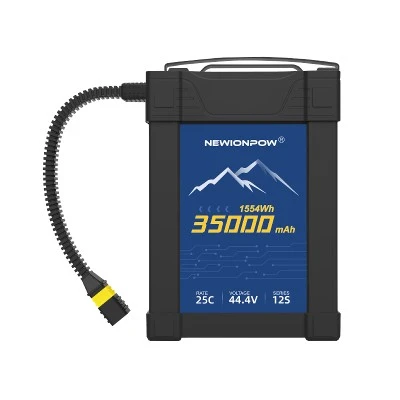
- Lithium - Ion Batteries: In recent years, lithium - ion batteries, especially 12V 30Ah LiFePO4 Lithium Battery, 12V 50Ah LiFePO4 Lithium Battery, and 12V 200Ah LiFePO4 Lithium Battery, have gained popularity for UPS applications. Lithium - ion batteries offer several advantages over lead - acid batteries, such as higher energy density, longer lifespan, and lighter weight. They also have a lower self - discharge rate, which means they can hold their charge for a longer time when not in use.
Battery Capacity
The capacity of a battery is measured in ampere - hours (Ah). A higher - capacity battery can store more energy and provide longer backup time for the UPS. When choosing a 12V battery for a UPS, you need to consider the power requirements of the connected devices and the desired backup time. For example, if you have a small computer system that consumes 100 watts and you want a backup time of 30 minutes, you can calculate the required battery capacity using the following formula:
[Backup\ Time=\frac{Battery\ Capacity(Ah)\times Battery\ Voltage(V)\times Inverter\ Efficiency}{Load\ Power(W)}]
Assuming an inverter efficiency of 80%, the required battery capacity would be:
[Battery\ Capacity=\frac{Load\ Power\times Backup\ Time}{Battery\ Voltage\times Inverter\ Efficiency}=\frac{100W\times0.5h}{12V\times0.8}\approx5.2Ah]
In practice, you should choose a battery with a slightly higher capacity to account for any inefficiencies and to ensure reliable operation.


Discharge Rate
The discharge rate of a battery indicates how quickly it can deliver its stored energy. UPS inverters require a battery that can provide a high - current discharge to power the connected devices. Some batteries, especially deep - cycle batteries, are designed to provide a steady, low - current discharge over a long period, while others are optimized for high - current, short - duration discharges. When selecting a 12V battery for a UPS, make sure it has a high enough discharge rate to meet the requirements of the UPS inverter.
Installation and Maintenance
Once you have selected a suitable 12V battery for your UPS, proper installation and maintenance are crucial for its performance and longevity.
Installation
- Connection: Make sure to connect the battery to the UPS correctly, following the manufacturer's instructions. Incorrect connections can lead to damage to the battery, the UPS, or both.
- Ventilation: If you are using a lead - acid battery, ensure that the battery is installed in a well - ventilated area. Lead - acid batteries can produce hydrogen gas during charging, which is flammable. Lithium - ion batteries do not have this issue, but they still need to be installed in a cool and dry place.
Maintenance
- Charging: Follow the recommended charging procedure for the battery type. Overcharging or undercharging can reduce the battery's lifespan. Many modern UPS systems have built - in chargers that are designed to charge the battery properly.
- Inspection: Regularly inspect the battery for signs of damage, such as cracks, leaks, or corrosion. Replace the battery if any damage is detected.
Advantages of Using 12V Batteries in UPS
- Cost - Effective: 12V batteries are widely available and relatively inexpensive, making them a cost - effective solution for small to medium - sized UPS systems.
- Compatibility: Most UPS systems are designed to work with 12V batteries, which simplifies the selection and installation process.
- Flexibility: You can choose from a variety of battery types and capacities to meet your specific requirements.
Disadvantages of Using 12V Batteries in UPS
- Limited Backup Time: For larger loads or longer backup times, multiple 12V batteries may need to be connected in series or parallel, which can increase the complexity and cost of the system.
- Lifespan: The lifespan of a 12V battery, especially lead - acid batteries, can be relatively short, typically 3 - 5 years. This means that you may need to replace the battery periodically.
Conclusion
In conclusion, a 12V battery can be used for a UPS, but it is important to choose the right battery type, capacity, and discharge rate to ensure optimal performance. Whether you are looking for a cost - effective lead - acid battery or a high - performance lithium - ion battery, we have a wide range of 12V batteries to meet your needs.
If you are interested in purchasing 12V batteries for your UPS or have any questions about battery selection and installation, please feel free to contact us for further discussion and procurement negotiation. We are committed to providing you with the best products and services.
References
- Battery University: A comprehensive resource for battery knowledge and technology.
- UPS Manufacturer Manuals: These provide detailed information on the battery requirements and specifications for specific UPS models.