




Hey there! As an 80V battery supplier, I often get asked, "Are 80V batteries rechargeable?" Well, the short answer is yes, most 80V batteries are rechargeable. But there's a lot more to it than that, so let's dive in and explore this topic in detail.
Understanding 80V Batteries
First off, 80V batteries come in different chemistries, and each has its own characteristics when it comes to rechargeability. The most common types you'll find in the market are lithium - ion and lithium iron phosphate (LiFePO4).
Lithium - ion batteries are known for their high energy density, which means they can store a lot of energy in a relatively small space. They're widely used in various applications, from power tools to electric vehicles. On the other hand, LiFePO4 batteries are more stable and have a longer lifespan. They're also safer, as they're less prone to thermal runaway and other safety issues.
Rechargeability of 80V Batteries
Lithium - Ion 80V Batteries
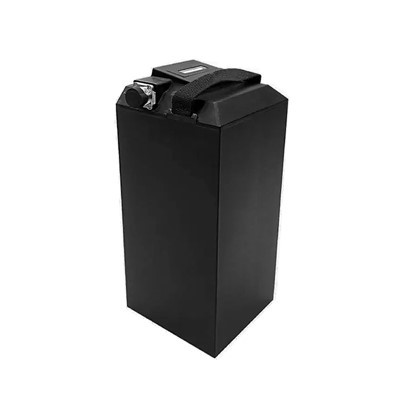
Our 80V 50Ah Lithium Ion Battery is a prime example of a rechargeable 80V lithium - ion battery. These batteries can be recharged multiple times, but it's important to follow the proper charging procedures. Overcharging or charging at the wrong voltage can damage the battery and reduce its lifespan.
Most lithium - ion batteries come with a built - in battery management system (BMS). The BMS helps regulate the charging process, preventing overcharging, over - discharging, and short - circuits. It also balances the cells in the battery pack to ensure that each cell is charged and discharged evenly.
When charging a lithium - ion 80V battery, you need to use a charger specifically designed for this voltage and chemistry. Using the wrong charger can not only damage the battery but also pose a safety risk.
LiFePO4 80V Batteries
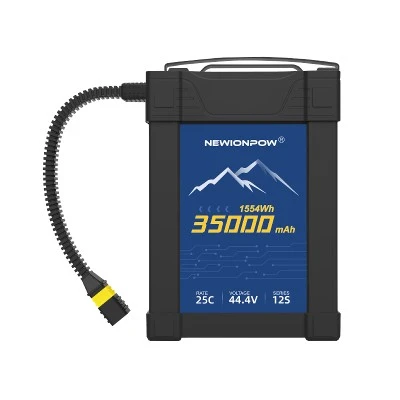
LiFePO4 batteries, like our 80V 100Ah LiFePo4 Battery and 80V 200Ah LiFePo4 Battery, are also highly rechargeable. They have a long cycle life, which means they can be recharged hundreds or even thousands of times.
One of the advantages of LiFePO4 batteries is their wide operating temperature range. They can be charged and discharged at relatively high and low temperatures without significant performance degradation. However, just like lithium - ion batteries, they also require a compatible charger.
The charging process for LiFePO4 batteries is a bit different from lithium - ion batteries. LiFePO4 batteries have a lower charging voltage compared to lithium - ion batteries, so using a charger designed for lithium - ion batteries can overcharge the LiFePO4 battery and cause damage.
Factors Affecting Rechargeability
Charging Rate
The charging rate, also known as the C - rate, affects the rechargeability of 80V batteries. A higher C - rate means the battery can be charged faster, but it can also generate more heat and reduce the battery's lifespan. For example, charging a battery at a 2C rate means it can be charged to full capacity in half an hour, but this high - speed charging can put stress on the battery cells.
Temperature
Temperature plays a crucial role in the rechargeability of 80V batteries. Extreme temperatures, both hot and cold, can affect the battery's performance and lifespan. In cold temperatures, the chemical reactions inside the battery slow down, reducing its capacity and charging efficiency. In hot temperatures, the battery can overheat, which can lead to thermal runaway and permanent damage.
Depth of Discharge (DoD)
The depth of discharge refers to how much of the battery's capacity has been used before recharging. A shallow DoD, where only a small percentage of the battery's capacity is used, is better for the battery's lifespan. For example, if you only discharge the battery to 20% of its capacity before recharging, it will last longer compared to discharging it to 80% or more.
Tips for Recharging 80V Batteries
- Use the Right Charger: Always use a charger that is specifically designed for your 80V battery's chemistry and voltage. This ensures safe and efficient charging.
- Charge in the Right Temperature: Try to charge the battery at a moderate temperature, ideally between 20 - 25°C (68 - 77°F). Avoid charging in extreme heat or cold.
- Avoid Over - Discharging: Don't let the battery discharge completely before recharging. Most batteries perform better when they're recharged before reaching a low state of charge.
- Store Properly: If you're not using the battery for an extended period, store it at a partial state of charge (around 50%) in a cool, dry place.
Conclusion
So, to sum it up, 80V batteries, whether they're lithium - ion or LiFePO4, are definitely rechargeable. But to ensure their long - term performance and safety, it's important to follow the proper charging procedures and take into account the factors that affect rechargeability.


If you're in the market for high - quality 80V rechargeable batteries, we've got you covered. Our 80V 50Ah Lithium Ion Battery, 80V 100Ah LiFePo4 Battery, and 80V 200Ah LiFePo4 Battery are all designed to provide reliable and long - lasting performance.
If you have any questions or are interested in purchasing our 80V batteries, feel free to reach out to us. We're more than happy to discuss your specific needs and help you find the perfect battery solution.
References
- Battery University: A comprehensive resource for battery knowledge, including information on battery chemistries, charging, and maintenance.
- Journal of Power Sources: A scientific journal that publishes research on battery technology, including rechargeability and performance.