




Hey there! I'm a supplier of 48v ebike batteries, and I've seen firsthand how storage conditions can have a huge impact on these batteries. So, let's dive into how different storage situations can mess with a 48v ebike battery.
First off, temperature is a major player. Batteries are sensitive little things, and extreme temperatures can really do a number on them. If you store your 48v ebike battery in a super hot place, like in a shed during the peak of summer or in a car parked under the scorching sun, it's not going to be happy. High temperatures speed up the chemical reactions inside the battery. This might sound like a good thing at first, but it actually leads to faster degradation of the battery's components. The electrolyte inside the battery can start to break down, and the electrodes can get damaged. Over time, this means your battery will lose its ability to hold a charge. You might notice that after storing it in the heat, it doesn't last as long on a single charge as it used to.


On the flip side, cold temperatures are also bad news. When it's really cold, the chemical reactions in the battery slow down. This reduces the battery's performance right away. You might find that your ebike doesn't have as much power when you first start it up after taking the battery out of cold storage. And if you keep the battery in cold conditions for a long time, it can cause physical damage. The electrolyte can freeze, which can crack the battery casing and damage the internal structure. This kind of damage is often irreversible, and you'll probably end up having to replace the battery.
Another important factor is humidity. If you store your 48v ebike battery in a damp environment, moisture can seep into the battery. This can cause corrosion of the battery's terminals and other metal parts. Corrosion increases the resistance in the battery's electrical circuit, which means that not only will the battery not charge properly, but it can also overheat during charging. Overheating, as we've already discussed, is bad for the battery's long - term health. So, it's best to keep your battery in a dry place. A closet or a storage room with a dehumidifier can be a great option.
Now, let's talk about the state of charge when you store the battery. It's not a good idea to store a 48v ebike battery completely charged or completely discharged. If you store it fully charged, the battery is under a lot of stress. The high voltage can cause the electrodes to degrade faster, and it can also lead to the formation of lithium dendrites (if it's a lithium - ion battery). These dendrites can pierce the separator inside the battery, causing a short - circuit, which is extremely dangerous.
On the other hand, storing the battery completely discharged is also a no - no. When a battery is completely drained, the chemical reactions inside it can cause the electrodes to change their structure in a way that's hard to reverse. This means that the battery might not be able to hold a charge properly when you try to recharge it later. The best practice is to store the battery at a partial charge, around 50% is ideal.
The frequency of charging during storage also matters. If you leave a 48v ebike battery sitting for a long time without charging it, self - discharge will occur. All batteries self - discharge over time, and if the battery is left to self - discharge too much, it can reach a point where it can't be recharged. To prevent this, it's a good idea to charge the battery every few months if it's in long - term storage.
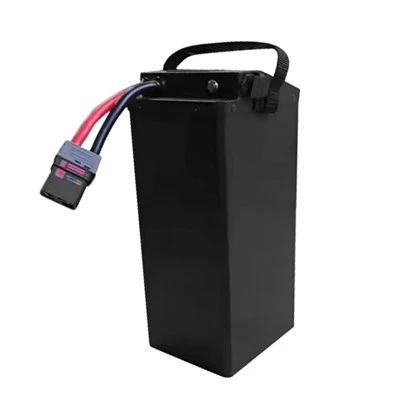
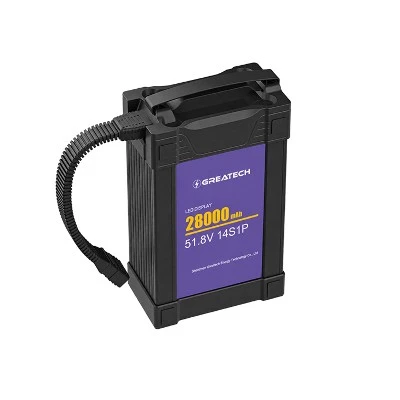
Let's take a look at some of the products we offer. We have the 48V 15Ah Ebike Battery, which is great for riders who need a decent amount of power for medium - distance trips. The 48V 10Ah Ebike Battery is more lightweight and suitable for shorter rides or if you're looking to save some weight on your ebike. And for those who need extra power for longer rides or more demanding terrains, we have the 48V 20Ah Ebike Battery.
If you're in the market for a 48v ebike battery, you need to make sure you're aware of these storage conditions. Proper storage can significantly extend the life of your battery, which means you'll get more value for your money. And as a supplier, I can tell you that we've designed our batteries to be as resilient as possible, but they still need to be stored correctly to perform at their best.
So, if you're thinking about purchasing a 48v ebike battery or if you already have one and want to make sure you're storing it right, don't hesitate to reach out. We're here to help you make the most of your battery and ensure that your ebike rides are always smooth and enjoyable. Whether you have questions about storage, charging, or which battery is right for you, we're just a message away. Start a conversation with us, and let's get you the perfect 48v ebike battery for your needs.
References
- Battery University. "Understanding Lithium - Ion Batteries."
- IEEE Transactions on Industrial Electronics. "Impact of Temperature and Humidity on Battery Performance."