







As a long - standing 80V battery supplier, I've encountered numerous inquiries regarding the long - term storage of these high - voltage power sources. This topic is of great significance, as proper storage can maintain battery health, extend its lifespan, and ensure its performance when put back into use. In this blog, I'll delve into the factors that determine whether 80V batteries are suitable for long - term storage and offer some practical advice.
Understanding 80V Batteries
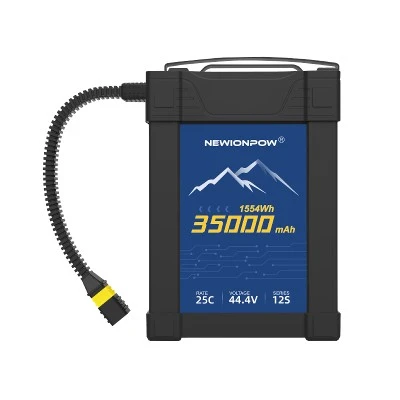
Before discussing long - term storage, it's essential to understand the nature of 80V batteries. We offer a range of 80V batteries, including the 80V 200Ah LiFePo4 Battery, 80V 50Ah Lithium Ion Battery, and 80V 100Ah LiFePo4 Battery. These batteries are commonly used in various applications, such as electric motorcycles, industrial equipment, and some high - power consumer electronics.
The type of battery chemistry plays a crucial role in its storage characteristics. Lithium - based batteries, like LiFePO4 and lithium - ion, are popular due to their high energy density, long cycle life, and relatively low self - discharge rate compared to other battery chemistries. However, they still require specific conditions for long - term storage.
Factors Affecting Long - Term Storage
State of Charge (SOC)
The state of charge is one of the most critical factors when storing 80V batteries. Storing a battery at a very high or very low state of charge for an extended period can cause irreversible damage. For lithium - based batteries, it is generally recommended to store them at a state of charge between 40% - 60%.
When a battery is stored at a high SOC, it can lead to increased internal pressure, accelerated electrolyte decomposition, and the formation of lithium metal plating on the anode. These issues can reduce the battery's capacity, increase its internal resistance, and even pose a safety risk. On the other hand, storing a battery at a low SOC can cause the battery to enter a deep discharge state, which may damage the active materials in the battery and lead to a significant reduction in its cycle life.
Temperature
Temperature has a profound impact on battery storage. High temperatures can accelerate the chemical reactions inside the battery, increasing the self - discharge rate and causing the degradation of the battery's components. For example, at elevated temperatures, the electrolyte in a lithium - ion battery can react with the electrodes, leading to the formation of a solid - electrolyte interphase (SEI) layer that thickens over time, increasing internal resistance.
Conversely, low temperatures can also affect battery performance. At extremely low temperatures, the mobility of lithium ions in the battery decreases, reducing the battery's capacity and power output. It is recommended to store 80V batteries in a cool and dry environment, with a temperature range between 10°C - 25°C being ideal.
Humidity
Humidity can also affect the long - term storage of 80V batteries. High humidity can cause corrosion of the battery terminals and external components, leading to poor electrical connections and potential short - circuits. It is important to store batteries in a low - humidity environment, preferably with a relative humidity of less than 60%.
Advantages of Long - Term Storage of 80V Batteries
If stored correctly, 80V batteries can offer several advantages for long - term storage. Firstly, it allows for strategic inventory management. As a supplier, I understand that having a stock of batteries can help meet sudden increases in customer demand. Long - term storage ensures that these batteries are available when needed without significant degradation in performance.


Secondly, storing batteries during periods of low demand can be cost - effective. Instead of producing batteries continuously, which may lead to overproduction and increased costs, storing existing batteries can save resources and reduce waste.
Challenges and Solutions
Self - Discharge
One of the main challenges of long - term battery storage is self - discharge. Even when not in use, batteries will gradually lose their charge over time. For lithium - based 80V batteries, the self - discharge rate is relatively low compared to other chemistries, but it still needs to be monitored.
To address this issue, it is recommended to periodically check the state of charge of the stored batteries. If the SOC drops below the recommended range, the batteries should be recharged to the appropriate level. For long - term storage, it may also be beneficial to use a battery management system (BMS) that can monitor and maintain the battery's SOC.
Battery Aging
Battery aging is another challenge. Over time, the internal components of the battery will naturally degrade, reducing its capacity and performance. However, by following the proper storage guidelines, such as maintaining the correct SOC and temperature, the rate of battery aging can be significantly slowed down.
Practical Tips for Long - Term Storage
- Charge the battery to the appropriate SOC: Before storing the 80V battery, charge it to a state of charge between 40% - 60%. This can be easily measured using a battery charger with a SOC indicator or a BMS.
- Clean the battery: Remove any dirt, dust, or debris from the battery terminals and external surfaces. This helps prevent corrosion and ensures good electrical connections.
- Store in a suitable environment: Place the battery in a cool, dry, and low - humidity environment. Avoid storing batteries near sources of heat, such as radiators or direct sunlight.
- Use a BMS if possible: A BMS can help monitor the battery's state of charge, temperature, and other parameters during storage, ensuring its safety and performance.
- Periodic inspection: Check the battery's condition periodically, including its SOC, temperature, and physical appearance. If any abnormalities are detected, take appropriate measures immediately.
Conclusion
In conclusion, 80V batteries can be suitable for long - term storage if the proper conditions are met. By carefully controlling the state of charge, temperature, and humidity, and taking proactive measures to address challenges such as self - discharge and battery aging, the performance and lifespan of these batteries can be effectively maintained.
As a reliable 80V battery supplier, I am committed to providing high - quality batteries and professional advice on battery storage and usage. If you are interested in purchasing 80V batteries for your specific applications or have any questions about long - term battery storage, please feel free to contact me for further discussion. I look forward to working with you to meet your battery needs.
References
- Linden, D., & Reddy, T. B. (2002). Handbook of Batteries. McGraw - Hill.
- Tarascon, J. M., & Armand, M. (2001). Issues and challenges facing rechargeable lithium batteries. Nature, 414(6861), 359 - 367.
- Chen, Z., & Liu, X. (2014). Fundamentals of Electrochemical Energy Storage. Springer.


