




In the realm of modern infrastructure and sustainable development, desalination plants stand as beacons of innovation, transforming seawater into a vital resource: fresh water. These facilities play a crucial role in regions facing water scarcity, providing a reliable source of potable water for communities, industries, and agriculture. As a supplier of 5kWh batteries, I've often pondered the potential of our products in powering these essential facilities. Can a 5kWh battery be effectively used in a desalination plant? This blog post aims to explore this question in depth, examining the technical, economic, and environmental aspects of integrating a 5kWh battery into a desalination plant's power system.
Understanding Desalination Plants
Before delving into the suitability of a 5kWh battery for desalination plants, it's essential to understand the energy requirements of these facilities. Desalination is an energy-intensive process that involves removing salt and other impurities from seawater to produce fresh water. There are two primary desalination methods: thermal and membrane-based processes.
Thermal desalination methods, such as multi-stage flash distillation (MSF) and multi-effect distillation (MED), use heat to evaporate seawater and condense the vapor into fresh water. These processes typically require large amounts of thermal energy, which is often supplied by fossil fuels or waste heat from power plants.
Membrane-based desalination methods, such as reverse osmosis (RO), use a semi-permeable membrane to separate salt and other impurities from seawater under high pressure. RO is the most widely used desalination method globally, accounting for over 60% of installed desalination capacity. RO plants require significant amounts of electrical energy to power the high-pressure pumps and other equipment.
The energy consumption of a desalination plant depends on several factors, including the desalination method, the salinity of the feed water, the desired product water quality, and the plant's capacity. On average, RO desalination plants consume between 3 and 6 kWh of electrical energy per cubic meter of fresh water produced, while thermal desalination plants consume between 10 and 20 kWh of thermal energy per cubic meter of fresh water produced.
The Role of Batteries in Desalination Plants
Batteries can play several important roles in desalination plants, including energy storage, load leveling, and power backup.
Energy Storage: Batteries can store excess energy generated during periods of low demand, such as at night or during off-peak hours, and release it during periods of high demand, such as during the day or during peak hours. This can help to reduce the plant's reliance on the grid and lower its energy costs.
Load Leveling: Batteries can help to smooth out the fluctuations in the plant's power demand, reducing the stress on the grid and improving the overall stability of the power system. This can also help to extend the lifespan of the plant's equipment and reduce maintenance costs.
Power Backup: Batteries can provide backup power in the event of a grid outage or other power disruption, ensuring the continuous operation of the desalination plant and the supply of fresh water to the community.
Can a 5kWh Battery Be Used in a Desalination Plant?
The suitability of a 5kWh battery for a desalination plant depends on several factors, including the plant's size, energy consumption, and power requirements.
Small-Scale Desalination Plants: For small-scale desalination plants with low energy consumption, such as those used in remote areas or for domestic use, a 5kWh battery may be sufficient to provide energy storage, load leveling, and power backup. These plants typically have a capacity of less than 10 cubic meters per day and consume less than 1 kWh of electrical energy per cubic meter of fresh water produced.
Medium-Scale Desalination Plants: For medium-scale desalination plants with moderate energy consumption, such as those used in small towns or industrial complexes, a 5kWh battery may be used in conjunction with other energy storage systems, such as larger batteries or flywheels, to provide additional energy storage and load leveling. These plants typically have a capacity of between 10 and 100 cubic meters per day and consume between 1 and 3 kWh of electrical energy per cubic meter of fresh water produced.
Large-Scale Desalination Plants: For large-scale desalination plants with high energy consumption, such as those used in large cities or coastal regions, a 5kWh battery is unlikely to be sufficient to meet the plant's energy storage, load leveling, and power backup requirements. These plants typically have a capacity of more than 100 cubic meters per day and consume more than 3 kWh of electrical energy per cubic meter of fresh water produced.
Advantages of Using a 5kWh Battery in a Desalination Plant
Despite its limitations, there are several advantages to using a 5kWh battery in a desalination plant, especially for small-scale and medium-scale applications.
Cost-Effective: A 5kWh battery is relatively inexpensive compared to larger batteries or other energy storage systems, making it a cost-effective option for small-scale and medium-scale desalination plants.
Easy to Install and Maintain: A 5kWh battery is compact and lightweight, making it easy to install and maintain. It also requires minimal maintenance compared to other energy storage systems, reducing the plant's operating costs.
Environmentally Friendly: A 5kWh battery can help to reduce the plant's reliance on fossil fuels and lower its carbon footprint, making it an environmentally friendly option for desalination plants.
Disadvantages of Using a 5kWh Battery in a Desalination Plant
There are also several disadvantages to using a 5kWh battery in a desalination plant, especially for large-scale applications.
Limited Energy Storage Capacity: A 5kWh battery has a limited energy storage capacity, which may not be sufficient to meet the energy storage, load leveling, and power backup requirements of a large-scale desalination plant.
Short Lifespan: A 5kWh battery has a relatively short lifespan compared to other energy storage systems, which may require frequent replacement and increase the plant's operating costs.
High Self-Discharge Rate: A 5kWh battery has a relatively high self-discharge rate, which means that it loses energy over time even when it is not in use. This can reduce the battery's effectiveness and increase the plant's energy costs.
Alternatives to a 5kWh Battery in a Desalination Plant
If a 5kWh battery is not suitable for a desalination plant, there are several alternatives that can be considered, including larger batteries, flywheels, and pumped hydro storage.
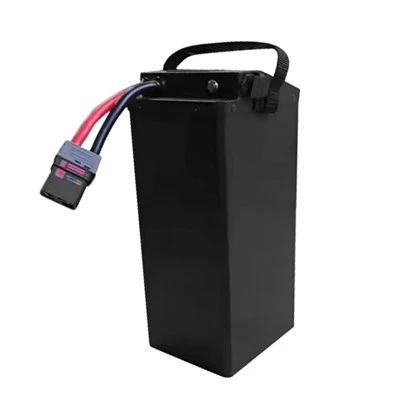
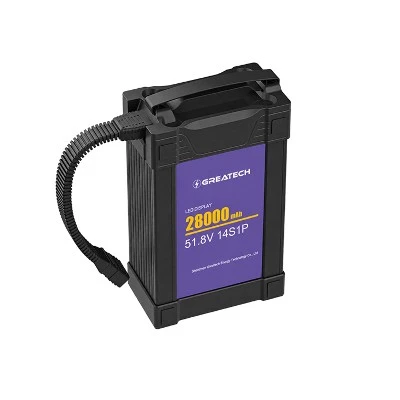
Larger Batteries: Larger batteries, such as 7KWh Energy Storage Battery and 15KWh Energy Storage Battery, have a higher energy storage capacity and can provide more energy storage, load leveling, and power backup for a desalination plant. However, they are also more expensive and require more space and maintenance.
Flywheels: Flywheels are mechanical energy storage devices that store energy in the form of rotational kinetic energy. They can provide high-power, short-duration energy storage and are suitable for applications that require rapid response times, such as load leveling and power backup. However, they are also more expensive and require more maintenance than batteries.


Pumped Hydro Storage: Pumped hydro storage is a large-scale energy storage technology that uses water to store energy. It involves pumping water from a lower reservoir to a higher reservoir during periods of low demand and releasing the water to generate electricity during periods of high demand. Pumped hydro storage is a reliable and cost-effective energy storage technology, but it requires a large amount of land and water resources and may have environmental impacts.
Conclusion
In conclusion, the suitability of a 5kWh battery for a desalination plant depends on several factors, including the plant's size, energy consumption, and power requirements. While a 5kWh battery may be suitable for small-scale and medium-scale desalination plants, it is unlikely to be sufficient for large-scale applications. However, a 5kWh battery can still provide several advantages, such as cost-effectiveness, easy installation and maintenance, and environmental friendliness.
If you are considering using a battery in a desalination plant, it is important to consult with a qualified engineer or energy storage expert to determine the most suitable battery technology and system for your specific application. At our company, we are a leading supplier of 5KWh Energy Storage Battery and other energy storage solutions. We have extensive experience in designing and installing energy storage systems for desalination plants and other applications. If you have any questions or would like to discuss your energy storage needs, please contact us to start a procurement negotiation.
References
- Elimelech, M., & Phillip, W. A. (2011). The future of seawater desalination: energy, technology, and the environment. Science, 333(6043), 712-717.
- Ghaffour, N., Missimer, T. M., & Amy, G. L. (2013). Technology review of water desalination: Current and future challenges for better water supply sustainability. Desalination, 309, 197-207.
- Kaldellis, J. K., & Kondili, E. (2014). Energy requirements and renewable energy integration in desalination processes: A review. Renewable and Sustainable Energy Reviews, 30, 373-386.