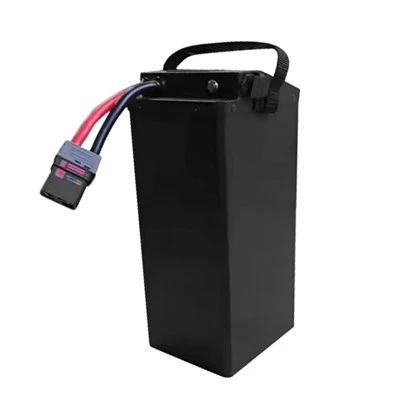



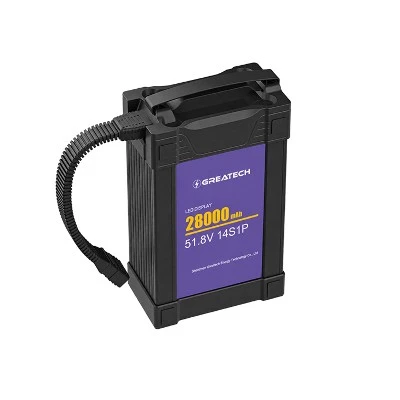


In the realm of data centers, uninterrupted power supply (UPS) is not just a luxury but a necessity. The reliability of the backup power system can mean the difference between smooth operations and costly downtime, data loss, and potential damage to equipment. As a supplier of 24V 500Ah Battery, I often encounter questions about whether this particular battery can be effectively used in a data center backup system. In this blog post, I'll delve into the technical aspects, advantages, and considerations to help you make an informed decision.
Technical Specifications and Compatibility
Let's start by understanding the basic technical specifications of a 24V 500Ah battery. The voltage of 24V is a common standard in many electrical systems, and it can be easily integrated with existing UPS setups that are designed to work with this voltage level. The ampere - hour (Ah) rating of 500Ah indicates the battery's capacity to supply a certain amount of current over a period of time.
Most data center backup systems are designed to support a range of battery voltages and capacities. However, it's crucial to ensure that the data center's UPS is compatible with a 24V battery system. Some UPS units may require a higher voltage, such as 48V or 120V, which would mean that multiple 24V batteries would need to be connected in series to achieve the required voltage.
When it comes to capacity, a 500Ah battery can store a significant amount of energy. For example, using the formula E = V × Ah (where E is energy in watt - hours, V is voltage, and Ah is ampere - hours), a 24V 500Ah battery can store 24V × 500Ah = 12000Wh or 12 kWh of energy. This amount of energy can provide backup power for a certain period, depending on the power consumption of the data center's critical loads.
Advantages of Using a 24V 500Ah Battery in a Data Center Backup System
1. Cost - effectiveness
Compared to higher - capacity or higher - voltage batteries, a 24V 500Ah battery can be a more cost - effective option. It provides a good balance between capacity and price, making it suitable for small to medium - sized data centers or as an additional backup for larger facilities. The lower cost also means that it can be more easily replaced or upgraded as the data center's needs change.
2. Flexibility
The 24V 500Ah battery offers flexibility in terms of installation and configuration. It can be easily connected in series or parallel to increase the voltage or capacity, respectively. For example, if a data center requires a higher voltage, multiple 24V batteries can be connected in series to achieve 48V or 72V. If more capacity is needed, batteries can be connected in parallel to increase the overall Ah rating.
3. Ease of Maintenance
These batteries are relatively easy to maintain. They typically have a simple design and do not require complex charging or monitoring systems. Regular checks of the battery's voltage, electrolyte levels (for lead - acid batteries), and temperature can ensure its proper functioning and longevity.
Considerations and Challenges
1. Power Requirements
The power requirements of a data center can vary greatly depending on the size, number of servers, and the type of applications being run. Before deciding to use a 24V 500Ah battery, it's essential to accurately calculate the power consumption of the critical loads in the data center. If the power consumption is too high, a single 24V 500Ah battery may not be sufficient to provide backup power for the desired period.
2. Space Constraints
Data centers often have limited space, and battery storage can be a challenge. A 24V 500Ah battery can be relatively large, especially if it's a lead - acid battery. It's important to consider the physical dimensions of the battery and ensure that there is enough space for installation, ventilation, and maintenance.
3. Battery Lifespan
The lifespan of a battery is an important factor to consider. Lead - acid batteries, which are commonly used in backup power systems, have a limited lifespan, typically ranging from 3 to 5 years. This means that regular replacement is necessary, which adds to the overall cost of the backup system. Additionally, factors such as temperature, charging cycles, and depth of discharge can affect the battery's lifespan.
Comparison with Other Battery Options
24V 300Ah Battery
The 24V 300Ah Battery has a lower capacity compared to the 24V 500Ah battery. It can be a more suitable option for smaller data centers or for applications where the power requirements are relatively low. However, it will provide less backup time compared to the 500Ah battery.


24V 400Ah Battery
The 24V 400Ah Battery offers a capacity between the 300Ah and 500Ah batteries. It can be a good compromise for data centers that have moderate power requirements. It provides more backup time than the 300Ah battery but may be more expensive than the 300Ah option.
Conclusion
In conclusion, a 24V 500Ah battery can be a viable option for a data center backup system, especially for small to medium - sized data centers or as an additional backup for larger facilities. It offers cost - effectiveness, flexibility, and ease of maintenance. However, it's important to carefully consider the power requirements, space constraints, and battery lifespan before making a decision.
If you're considering using a 24V 500Ah battery in your data center backup system, I encourage you to reach out to discuss your specific needs. We can provide detailed information about our products, offer technical support, and help you determine the best solution for your data center. Whether you need a single battery or a complete backup system, we're here to assist you in ensuring the reliability and efficiency of your data center operations.
References
- "Battery Basics for Data Centers", Data Center Knowledge.
- "UPS Battery Selection Guide", Schneider Electric.
- "Lead - Acid Battery Technology and Applications", Battery Council International.