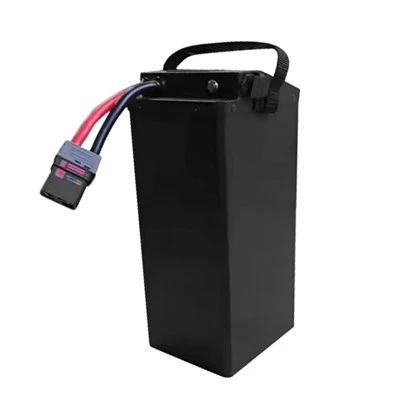



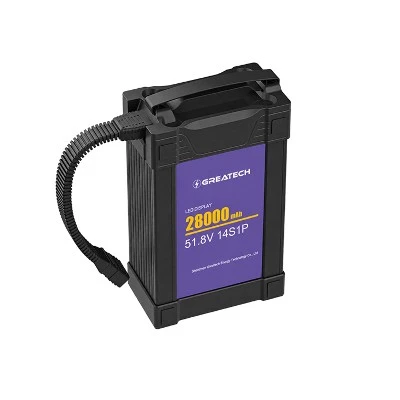


Maintaining a 48V ebike battery is crucial for ensuring the longevity, performance, and safety of your electric bike. As a 48V ebike battery supplier, I've witnessed firsthand the impact of proper battery maintenance on the overall user experience. In this blog, I'll share some essential tips and best practices to help you keep your 48V ebike battery in top condition.
Understanding Your 48V Ebike Battery
Before delving into maintenance tips, it's important to understand the basics of a 48V ebike battery. These batteries typically use lithium-ion technology, which offers high energy density, long cycle life, and relatively low self-discharge rates. However, they are also sensitive to certain environmental conditions and charging practices.
The voltage of 48V refers to the electrical potential difference between the positive and negative terminals of the battery. This voltage is suitable for powering electric bikes with medium to high power motors, providing a good balance between speed, range, and battery life.


Charging Your 48V Ebike Battery
Proper charging is one of the most critical aspects of battery maintenance. Here are some key points to keep in mind:
- Use the Right Charger: Always use the charger that comes with your 48V ebike battery or a charger specifically designed for your battery model. Using an incompatible charger can lead to overcharging, undercharging, or even damage to the battery.
- Avoid Overcharging: Overcharging can cause the battery to overheat, which can reduce its lifespan and increase the risk of fire or explosion. Most modern chargers are equipped with overcharge protection, but it's still a good idea to unplug the charger once the battery is fully charged.
- Don't Let the Battery Run Completely Flat: Allowing the battery to discharge completely can also damage it. Try to recharge the battery when it reaches around 20-30% of its capacity.
- Charge at the Right Temperature: Lithium-ion batteries perform best when charged at temperatures between 20°C and 25°C (68°F and 77°F). Avoid charging the battery in extreme heat or cold, as this can affect its performance and lifespan.
Storing Your 48V Ebike Battery
If you're not going to use your ebike for an extended period, proper storage is essential to maintain the battery's health. Here's what you need to do:
- Charge the Battery to 50%: Before storing the battery, charge it to around 50% of its capacity. This helps to prevent the battery from self-discharging too much and reduces the risk of over-discharging.
- Store in a Cool, Dry Place: Keep the battery in a cool, dry place away from direct sunlight and heat sources. Avoid storing the battery in areas with high humidity, as this can cause corrosion and damage to the battery.
- Check the Battery Regularly: If you're storing the battery for an extended period, check it every few months to make sure it's still holding a charge. If the battery's charge level drops below 20%, recharge it to 50%.
Maintaining the Battery's Physical Condition
In addition to proper charging and storage, it's also important to maintain the physical condition of your 48V ebike battery. Here are some tips:
- Keep the Battery Clean: Regularly clean the battery terminals and connections with a dry cloth to remove any dirt, dust, or corrosion. This helps to ensure good electrical contact and prevents the battery from losing power.
- Avoid Physical Damage: Protect the battery from physical damage, such as drops, impacts, or vibrations. A damaged battery can be dangerous and may need to be replaced.
- Inspect the Battery Regularly: Check the battery for any signs of damage, such as cracks, leaks, or swelling. If you notice any of these signs, stop using the battery immediately and contact a professional for assistance.
Choosing the Right 48V Ebike Battery
As a 48V ebike battery supplier, I offer a range of high-quality batteries to meet the needs of different customers. Here are some of our popular products:
- 48V 24Ah E-bike Lithium Li-ion Battery JT053: This battery offers a high capacity of 24Ah, providing a long range for your ebike. It's suitable for riders who need to travel long distances or use their ebike for commuting.
- 48V 12Ah E-bike Lithium Li-ion Battery JT041: This battery is a more compact and lightweight option, making it ideal for riders who want a portable and easy-to-carry battery. It's also a good choice for riders who don't need a long range.
- 48V 20Ah Ebike Battery: This battery offers a good balance between capacity and weight, providing a decent range for most riders. It's a popular choice for both casual riders and commuters.
Conclusion
Maintaining a 48V ebike battery is essential for ensuring its longevity, performance, and safety. By following the tips and best practices outlined in this blog, you can keep your battery in top condition and enjoy a long and trouble-free riding experience.
If you're in the market for a high-quality 48V ebike battery, I encourage you to explore our range of products. We offer competitive prices, excellent customer service, and a warranty on all our batteries. Contact us today to discuss your specific needs and to learn more about our products.
References
- Battery University. (n.d.). Lithium-ion Batteries. Retrieved from https://batteryuniversity.com/learn/article/lithium_ion_batteries
- Electric Bike Report. (n.d.). How to Care for Your Electric Bike Battery. Retrieved from https://electricbikereport.com/how-to-care-for-your-electric-bike-battery/
- Pedego Electric Bikes. (n.d.). Tips for Maintaining Your Electric Bike Battery. Retrieved from https://www.pedego.com/blog/tips-for-maintaining-your-electric-bike-battery/