




As a 24V battery supplier, I often encounter inquiries from customers in the communication device industry about whether a 24V battery can be used in their equipment. This is a crucial question, as the right power source can significantly impact the performance, reliability, and longevity of communication devices. In this blog post, I'll explore the technical aspects, advantages, challenges, and considerations of using a 24V battery in communication devices.
Technical Compatibility
Firstly, let's understand the basic electrical requirements of communication devices. Most communication devices, including routers, switches, and base stations, operate on a stable power supply. The voltage requirement can vary widely depending on the device's design and function. While some smaller devices may run on lower voltages like 5V or 12V, larger and more power - hungry communication systems can be designed to work with 24V.
The 24V power supply offers a balance between power delivery and safety. It can provide enough energy to drive the components of a communication device, such as processors, transceivers, and cooling fans, without the need for complex voltage - boosting or - dropping circuits. However, it's essential to check the device's user manual or technical specifications to ensure that it can accept a 24V input. If a device is rated for a different voltage, using a 24V battery can cause over - voltage damage, leading to component failure and potentially voiding the device's warranty.
Advantages of Using a 24V Battery
1. Higher Power Delivery
A 24V battery can deliver more power compared to lower - voltage batteries. This is particularly beneficial for communication devices that require a significant amount of energy to operate. For example, in a large - scale wireless base station, a 24V battery can support the high - power transmitters and receivers, ensuring stable signal transmission and reception over long distances.
2. Reduced Current
According to Ohm's law (P = VI, where P is power, V is voltage, and I is current), for a given power requirement, a higher voltage means a lower current. Lower current reduces the power loss in the wiring due to the resistance (P_loss = I²R, where R is the resistance of the wire). This results in more efficient power transfer from the battery to the communication device, which can lead to energy savings and longer battery life.
3. Longer Cable Runs
With lower current, the voltage drop along the cables is also reduced. This allows for longer cable runs between the battery and the communication device without significant loss of power. In a large communication infrastructure, where the battery may be located some distance from the device, this is a significant advantage.
Challenges and Considerations
1. Safety
While 24V is generally considered a relatively safe voltage, it still poses some risks. Electrical shock can occur if proper safety precautions are not taken. For example, exposed terminals on the battery or damaged cables can cause short - circuits or electrical hazards. It's important to follow all safety guidelines when installing and maintaining a 24V battery in a communication device.
2. Battery Capacity and Runtime
The capacity of the battery, measured in ampere - hours (Ah), determines how long the communication device can run on a single charge. Different communication devices have different power consumption rates, so it's crucial to select a battery with an appropriate capacity. For example, a small router may only require a few ampere - hours, while a large data center communication switch may need a battery with a much higher capacity.
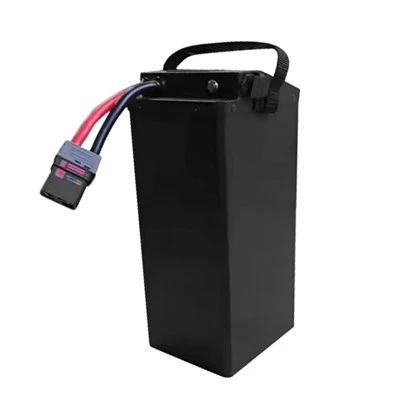
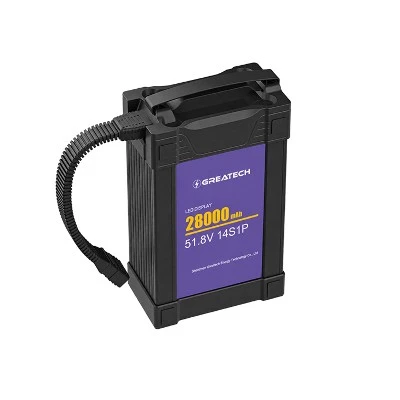
We offer a range of 24V batteries with different capacities to meet various needs. You can check out our 24V 500Ah Battery, 24V 200Ah Battery, and 24V 100Ah Battery for more details.
3. Charging System
A proper charging system is required to maintain the health and performance of the 24V battery. Over - charging or under - charging can significantly reduce the battery's lifespan. The charging system should be designed to match the battery's chemistry and capacity. For example, lead - acid batteries require a different charging profile compared to lithium - ion batteries.
Types of 24V Batteries Suitable for Communication Devices
1. Lead - Acid Batteries
Lead - acid batteries are a popular choice for communication devices due to their relatively low cost, wide availability, and proven reliability. They can provide high - current pulses, which are useful for starting up power - hungry components in a communication device. However, they have a limited lifespan, require regular maintenance (such as topping up with distilled water), and are relatively heavy.
2. Lithium - Ion Batteries
Lithium - ion batteries offer several advantages over lead - acid batteries. They have a higher energy density, which means they can store more energy in a smaller and lighter package. They also have a longer lifespan, faster charging times, and require less maintenance. However, they are more expensive and may require a more sophisticated battery management system to ensure safe operation.
Case Studies
Let's look at a few real - world examples of using 24V batteries in communication devices.
1. Remote Wireless Base Stations
In rural or remote areas, where the power grid may be unreliable or unavailable, 24V batteries are often used to power wireless base stations. A 24V battery can provide backup power during power outages, ensuring continuous communication services. For example, a 24V 200Ah lead - acid battery can power a small - to - medium - sized base station for several hours, depending on the power consumption of the device.
2. Data Center Communication Switches
In a data center, communication switches are critical for network connectivity. A 24V battery system can be used to provide uninterruptible power supply (UPS) to these switches. A high - capacity 24V battery, such as a 24V 500Ah lithium - ion battery, can ensure that the switches remain operational during short - term power disruptions, preventing data loss and network downtime.
Conclusion
In conclusion, a 24V battery can be used in a communication device, provided that the device is compatible with the voltage and the appropriate battery is selected based on the device's power requirements. The 24V battery offers several advantages, including higher power delivery, reduced current, and longer cable runs. However, it also comes with challenges such as safety concerns, battery capacity selection, and charging system design.
If you are considering using a 24V battery in your communication device, I encourage you to contact us for more information. We have a team of experts who can help you select the right battery for your specific needs and provide technical support throughout the installation and maintenance process. Let's work together to ensure the reliable and efficient operation of your communication devices.


References
- "Battery Technology Handbook" by Thomas B. Reddy
- "Electrical Engineering for Communication Systems" by John R. Schott
- Technical specifications of various communication devices and batteries