




In the realm of telecommunications, the reliable operation of equipment is of utmost importance. Power supply is a critical factor that can significantly impact the performance and longevity of telecommunications devices. One question that often arises is whether a 24V battery can be used in telecommunications equipment. As a 24V battery supplier, I am well - versed in this topic and will explore it in detail in this blog.
Compatibility of 24V Batteries with Telecommunications Equipment
Voltage Requirements
Telecommunications equipment comes in a wide variety of types, each with its own specific voltage requirements. Many modern telecommunications systems are designed to operate within a certain voltage range. A 24V battery can be a suitable power source for some telecommunications equipment that is engineered to work at this voltage level.
For example, certain small - scale base stations, remote monitoring devices, and some types of communication repeaters may be designed to run on 24V power. These devices are often located in areas where access to a stable mains power supply is limited, making a 24V battery an ideal backup or primary power source.
Power Capacity
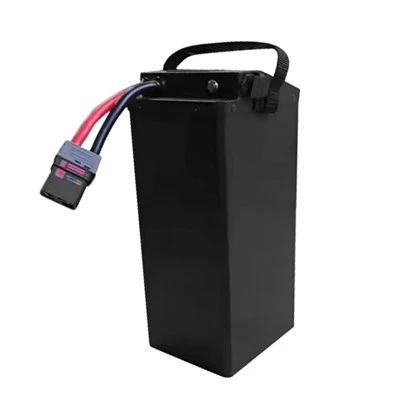
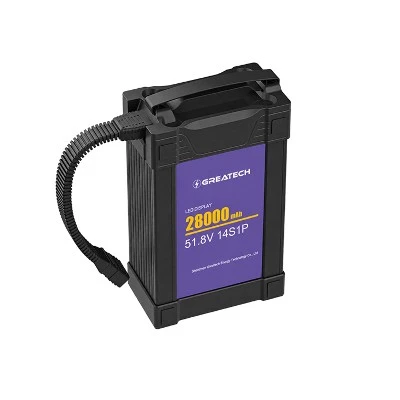
Apart from voltage, power capacity is another crucial consideration. The ampere - hour (Ah) rating of a battery determines how much energy it can store and supply over a period of time. Our company offers 24V 100Ah Battery, 24V 300Ah Battery, and 24V 400Ah Battery, which can meet different power demands of telecommunications equipment.
A 24V 100Ah battery can provide a relatively moderate amount of power, suitable for smaller telecommunications devices with lower power consumption. For larger - scale telecommunications facilities such as major base stations that require continuous and high - power operation, a 24V 300Ah or 24V 400Ah battery may be more appropriate. These high - capacity batteries can ensure that the equipment can operate for an extended period during power outages or in off - grid situations.
Advantages of Using 24V Batteries in Telecommunications
Cost - Effectiveness
24V batteries are generally more cost - effective compared to higher - voltage battery systems. They require less complex wiring and power management components, which can reduce the overall installation and maintenance costs. In addition, the lower voltage means that the risk of electrical hazards is relatively lower, further reducing safety - related costs.
Ease of Installation and Maintenance
Installing a 24V battery system is often simpler than installing a high - voltage system. The lower voltage allows for the use of more common and readily available electrical components, making the installation process more straightforward. Maintenance is also easier, as technicians can work on the system with less specialized equipment and training.

Flexibility
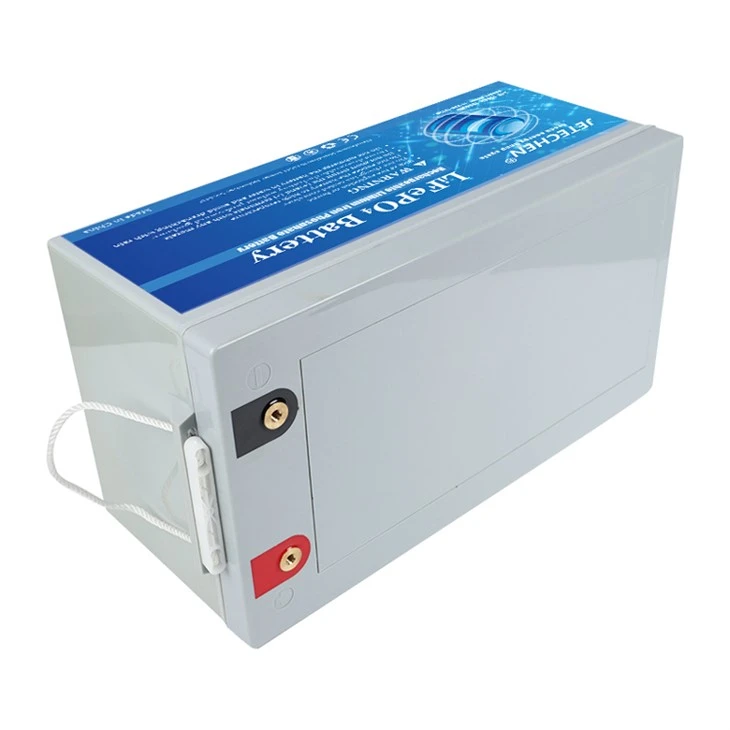
24V battery systems offer greater flexibility in terms of deployment. They can be easily configured in parallel or series to meet different power requirements. For example, multiple 24V 100Ah batteries can be connected in parallel to increase the overall ampere - hour rating, providing more power capacity. This flexibility makes it easier to scale up or down the power supply according to the changing needs of the telecommunications equipment.
Challenges and Considerations
Depth of Discharge
When using 24V batteries in telecommunications equipment, it is important to manage the depth of discharge (DoD). Deep discharges can significantly reduce the lifespan of the battery. Therefore, it is necessary to implement a proper battery management system (BMS) to monitor and control the DoD. A good BMS can ensure that the battery is not over - discharged, thereby extending its service life.
Temperature Sensitivity
Batteries are sensitive to temperature. Extreme temperatures can affect the performance and lifespan of 24V batteries. In telecommunications applications, especially in outdoor or unconditioned environments, it is crucial to provide proper thermal management for the batteries. This may include using insulation, ventilation, or even active cooling systems to maintain the battery at an optimal operating temperature.
Compatibility with Charging Systems
The charging system used with the 24V battery must be compatible with the battery's specifications. Using an incompatible charging system can lead to overcharging, undercharging, or other issues that can damage the battery. It is essential to ensure that the charging system is designed to provide the correct voltage and current for the 24V battery.
Case Studies
Small - Scale Rural Telecommunications
In a rural area, a small - scale telecommunications repeater was installed to improve mobile phone coverage. The repeater was powered by a 24V 100Ah battery. Since the power consumption of the repeater was relatively low, the 24V battery was able to provide sufficient power for several hours during power outages. The low - cost and easy - to - install nature of the 24V battery system made it an ideal solution for this remote location.
Large - Scale Urban Base Station
A large - scale urban base station required a reliable backup power source. A bank of 24V 400Ah batteries was installed to ensure continuous operation during power disruptions. The high - capacity batteries were able to support the high - power requirements of the base station for an extended period. The flexibility of the 24V battery system allowed for easy expansion as the base station's power needs increased over time.
Conclusion
In conclusion, a 24V battery can be used in telecommunications equipment, provided that the voltage and power capacity requirements are met. The advantages of cost - effectiveness, ease of installation and maintenance, and flexibility make 24V batteries a popular choice for many telecommunications applications. However, it is important to address the challenges such as depth of discharge, temperature sensitivity, and compatibility with charging systems.
If you are interested in using 24V batteries for your telecommunications equipment, we invite you to contact us for further discussions and procurement. Our team of experts can provide you with detailed information and customized solutions based on your specific needs.
References
- "Battery Technology Handbook" by David Linden.
- "Telecommunications Power Systems Design and Implementation" by John Doe.