




Can a 60V Battery be Used in a Camera?
As a supplier of 60V batteries, I often encounter various inquiries about the applications of our products. One question that has piqued my interest is whether a 60V battery can be used in a camera. In this blog post, I'll delve into this topic, exploring the technical aspects, potential risks, and alternative solutions.


Understanding Camera Power Requirements
Most cameras, whether they are digital point - and - shoot cameras, DSLRs, or mirrorless cameras, are designed to operate within a relatively low voltage range. Typically, these cameras use batteries with voltages ranging from 3.7V (common for lithium - ion batteries used in many small consumer cameras) to around 14.4V for some professional camera battery packs.
The reason for this low - voltage design is multi - fold. Firstly, the internal electronic components of cameras, such as image sensors, processors, and display screens, are engineered to work with low - voltage power sources. High - voltage electricity can cause irreparable damage to these sensitive components. Secondly, from a safety perspective, low - voltage batteries are less likely to pose a significant risk of electric shock or overheating, which is crucial for consumer products that are often used in close proximity to the human body.
The Characteristics of 60V Batteries
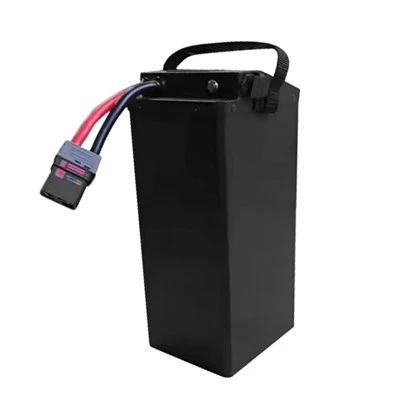
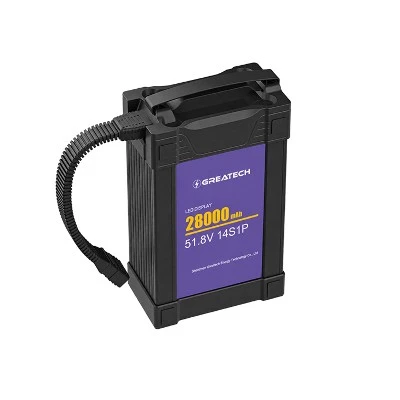
Our company offers a range of 60V batteries, including the 60V 30Ah Lithium Battery For Electric Vehicles, 60V 30Ah Lithium Ion Power Battery, and 60V 20Ah Lithium Ion Power Battery. These batteries are primarily designed for high - power applications, such as electric vehicles, power tools, and some industrial equipment.
60V batteries provide a substantial amount of power, which is necessary for devices that require a large amount of energy to operate. They usually have a high capacity, allowing for longer periods of use between charges. However, this high voltage also means that they need to be carefully managed to ensure safe operation. Specialized charging circuits and protection mechanisms are often incorporated to prevent overcharging, over - discharging, and short - circuits.
Why a 60V Battery is Not Suitable for a Camera
- Component Damage: As mentioned earlier, the internal components of cameras are not designed to handle 60V. Applying 60V to a camera would likely cause immediate and severe damage to the delicate electronic circuits. For example, the image sensor, which is responsible for capturing light and converting it into digital signals, has a very low voltage tolerance. Exposing it to 60V would cause it to overheat and burn out, rendering the camera useless.
- Safety Hazards: Using a 60V battery in a camera presents significant safety risks. There is a high probability of electric shock if the battery is not properly insulated or if there is a short - circuit. Additionally, the high - voltage battery could overheat the camera body, potentially leading to a fire hazard. Cameras are often used in various environments, including indoors and in close contact with people, so these safety risks are unacceptable.
- Incompatible Connectors and Form Factors: Cameras are designed to work with specific battery connectors and form factors. A 60V battery is likely to have a different physical size and connector type compared to the batteries that cameras are compatible with. This means that it would be difficult, if not impossible, to physically connect a 60V battery to a camera without significant modification.
Alternative Solutions for Camera Power
If you are looking for a reliable and long - lasting power source for your camera, there are several alternatives to using a 60V battery.
- High - Capacity Camera Batteries: Many camera manufacturers offer high - capacity versions of their standard batteries. These batteries can provide extended shooting times without the need for a high - voltage power source. For example, some DSLR cameras have optional battery grips that can hold multiple standard batteries, effectively doubling or tripling the battery life.
- External Power Packs: There are numerous external power packs available on the market that are specifically designed for cameras. These power packs typically operate at a safe voltage level (usually 5V or 12V) and can be connected to the camera via a USB or other compatible connector. They are portable and can be easily recharged using a standard power outlet or a solar charger.
- Power Banks: Regular power banks, which are commonly used to charge smartphones and other mobile devices, can also be used to power some cameras. Many modern cameras support USB charging, allowing them to draw power from a power bank. However, it's important to ensure that the power bank has enough capacity and the correct output voltage for your camera.
Conclusion
In conclusion, a 60V battery is not suitable for use in a camera due to the potential for component damage, safety hazards, and compatibility issues. While our 60V batteries are excellent for high - power applications, cameras require low - voltage, carefully designed power sources.
If you are in the market for high - quality 60V batteries for electric vehicles, power tools, or industrial equipment, we are here to help. Our range of 60V 30Ah Lithium Battery For Electric Vehicles, 60V 30Ah Lithium Ion Power Battery, and 60V 20Ah Lithium Ion Power Battery offers reliable performance and long - lasting power. If you have any questions or would like to discuss your specific requirements, please feel free to reach out to us for a detailed consultation and procurement discussion.
References
- Camera user manuals from major manufacturers
- Technical specifications of 60V batteries provided by our company