




Hey there! As a supplier of 5kWh batteries, I often get asked this question: "Does a 5kWh battery need a special charger?" Well, let's dive right into it and find out.
First off, let's understand what a 5kWh battery is. A 5kWh battery can store 5 kilowatt - hours of energy. That's enough to power some essential household appliances for a few hours, like a refrigerator, a few lights, and a TV. It's a popular choice for home energy storage systems, especially for those looking to have a backup power source or to make the most of their solar energy.
Now, back to the charger question. Whether a 5kWh battery needs a special charger depends on a few factors.
Battery Chemistry
One of the most important factors is the battery chemistry. There are different types of batteries out there, such as lead - acid, lithium - ion, and nickel - metal hydride. Each type has its own charging requirements.
Lead - Acid Batteries
Lead - acid batteries are quite common, especially in older energy storage systems. They're relatively inexpensive but have a lower energy density compared to lithium - ion batteries. Lead - acid batteries usually require a charger that can provide a specific charging profile. They need to be charged in stages: first, a constant - current charge until the battery voltage reaches a certain level, and then a constant - voltage charge to top off the battery. If you use the wrong charger, you might overcharge or undercharge the battery, which can reduce its lifespan and performance.
Lithium - Ion Batteries
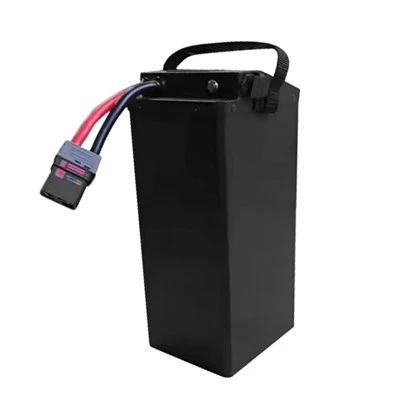
Lithium - ion batteries are the go - to choice for modern energy storage systems, including our 5KWh Energy Storage Battery. They have a high energy density, long lifespan, and are more efficient than lead - acid batteries. However, they're also more sensitive to charging. Lithium - ion batteries need a charger that can control the charging current and voltage precisely. Overcharging a lithium - ion battery can be dangerous, as it can cause thermal runaway, which may lead to a fire or explosion. So, for a 5kWh lithium - ion battery, you definitely need a charger that is designed specifically for lithium - ion chemistry.
Nickel - Metal Hydride Batteries
Nickel - metal hydride batteries are less common in large - scale energy storage but are still used in some applications. They have a different charging characteristic compared to lead - acid and lithium - ion batteries. They require a charger that can handle the heat generated during charging and prevent overcharging.
Battery Design and Specifications
Apart from the chemistry, the design and specifications of the 5kWh battery also play a role in determining the charger requirements.
Voltage and Current Ratings
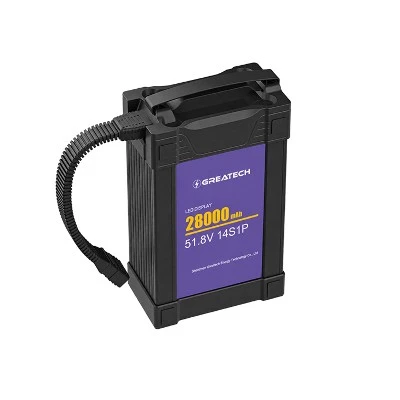
The voltage and current ratings of the battery are crucial. A 5kWh battery can have different voltage levels, such as 12V, 24V, or 48V. The charger needs to be compatible with the battery's voltage. For example, if you have a 48V 5kWh battery, you can't use a 12V charger. Similarly, the charger's current output should match the battery's charging current requirements. If the charger provides too much current, it can damage the battery, and if it provides too little, the charging process will be very slow.
Battery Capacity and Charge Rate
The charge rate of a battery is also important. Some batteries can be charged at a high rate, while others need to be charged slowly. A 5kWh battery with a high charge rate can be charged faster, but it still needs a charger that can handle that rate. If you try to charge a battery at a rate higher than what it's designed for, it can cause damage to the battery cells.
Safety Considerations
Safety is a top priority when it comes to charging batteries. Using the wrong charger can pose serious risks.
Overcharging and Overheating
As mentioned earlier, overcharging can lead to overheating, which can damage the battery and even cause a fire. A special charger is designed to prevent overcharging by monitoring the battery voltage and current. It will automatically stop charging when the battery is full or reduce the charging current if the battery starts to overheat.
Short - Circuit Protection
A good charger should also have short - circuit protection. If there's a short - circuit in the charging circuit, the charger will cut off the power to prevent damage to the battery and other components.
Our Recommendations
As a 5kWh battery supplier, we always recommend using a charger that is specifically designed for our batteries. Our 5KWh Energy Storage Battery comes with detailed charging instructions, and we can also provide you with a compatible charger if you need one.
We also offer other energy storage solutions, such as the 15KWh Energy Storage Battery and the 7KWh Energy Storage Battery. Each of these batteries has its own charging requirements, and we can help you choose the right charger for your needs.


If you're interested in purchasing our 5kWh batteries or need more information about charging, don't hesitate to reach out. We're here to help you make the best choice for your energy storage needs. Whether you're a homeowner looking for a backup power solution or a business owner interested in reducing your energy costs, our batteries can be a great option.
In conclusion, a 5kWh battery often needs a special charger, especially if it's a lithium - ion battery. The charger needs to be compatible with the battery's chemistry, voltage, current, and charge rate. Using the right charger ensures the safety and longevity of the battery. So, if you're in the market for a 5kWh battery, make sure you also consider the charger requirements.
If you have any questions or want to discuss your energy storage needs further, feel free to contact us. We're looking forward to working with you to find the perfect energy storage solution.
References
- Battery University: A comprehensive resource for battery knowledge, including charging requirements for different battery chemistries.
- Industry standards and guidelines for battery charging, such as those set by the International Electrotechnical Commission (IEC).