







Hey there! As a 6s battery supplier, I often get asked a bunch of questions about these batteries. One question that pops up quite a bit is, "Can a 6s battery be desulfated?" Let's dig into this topic and see what's what.
First off, let's talk about what desulfation is. In a battery, especially lead - acid batteries, sulfation occurs over time. When a battery discharges, lead sulfate crystals form on the battery plates. If these crystals build up too much, they can reduce the battery's capacity and performance. Desulfation is the process of breaking down these lead sulfate crystals to restore the battery's function.
Now, when it comes to 6s batteries, we're usually talking about lithium - polymer (LiPo) batteries. These are the ones you often see in drones and other high - performance devices. Unlike lead - acid batteries, LiPo batteries don't really suffer from sulfation. Sulfation is a phenomenon specific to lead - acid chemistries, so the concept of desulfating a 6s LiPo battery doesn't really apply in the same way.
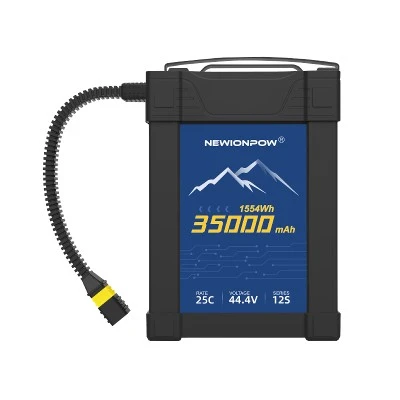
But why are people even asking about desulfating 6s batteries? Well, sometimes, users notice a drop in battery performance. They might see that their 22.2V 30000mAh Drone Battery doesn't last as long in the air as it used to, or their 22.2V 16000mAh Lipo Battery doesn't power their device as well. They think it might be similar to what happens with lead - acid batteries, so they start wondering about desulfation.
The real reasons for performance drops in 6s LiPo batteries are different. One common issue is over - discharging. If you let your LiPo battery discharge too much, it can damage the cells. Each cell in a 6s battery has a specific voltage range, and going below that range can cause irreversible damage. Another problem is over - charging. Charging a LiPo battery beyond its recommended voltage can also lead to reduced performance and even safety risks.
Temperature also plays a big role. Extreme cold or heat can affect the chemical reactions inside the battery. If you're using your Lipo 22000mAh 6S Battery in very cold weather, you might notice a significant drop in performance. On the other hand, storing or charging the battery in high - temperature environments can degrade the battery over time.
So, what can you do to keep your 6s LiPo batteries in good shape? First, always follow the manufacturer's charging and discharging guidelines. Use a quality charger that's designed for LiPo batteries. Make sure you balance charge your 6s battery regularly. Balancing ensures that each cell in the battery has the same voltage, which helps maintain the overall health of the battery.
When it comes to storage, keep your LiPo batteries at a moderate temperature and at a partial charge. Most manufacturers recommend storing LiPo batteries at around 50 - 60% charge. This helps prevent self - discharge and reduces the risk of damage during long - term storage.
If you do notice a performance drop in your 6s battery, don't try to "desulfate" it. Instead, check the battery's voltage and see if any cells are significantly out of balance. You can use a battery monitor to do this. If one or more cells are damaged, it might be time to replace the battery.
Now, I know some people might still be curious about those desulfation devices you see on the market. These are usually designed for lead - acid batteries, and using them on a 6s LiPo battery is not only ineffective but can also be dangerous. LiPo batteries have different electrical characteristics, and applying a desulfation technique meant for lead - acid batteries could potentially damage the battery or even cause a fire.
As a 6s battery supplier, I've seen a lot of different situations. I've had customers come to me with batteries that they thought were "dead" but were actually just in need of proper care. By following the right procedures, many of these batteries could be brought back to a usable state.
If you're in the market for 6s batteries, I can offer you high - quality products. We've got a wide range of options, from the 22.2V 30000mAh Drone Battery for those long - flight drones to the 22.2V 16000mAh Lipo Battery for more compact devices. Our Lipo 22000mAh 6S Battery is also a popular choice for its balance of capacity and performance.
If you're interested in purchasing 6s batteries or have any questions about battery care, don't hesitate to reach out. We're here to help you make the best choice for your needs. Whether you're a hobbyist drone flyer or a professional in the industry, we've got the right battery for you.
In conclusion, a 6s LiPo battery can't be desulfated because sulfation isn't an issue with this type of battery. Instead, focus on proper charging, discharging, and storage practices to keep your batteries performing at their best. If you have any more questions or want to discuss your battery requirements, feel free to start a conversation.


References
- Battery University: A comprehensive resource on battery technologies and care.
- Manufacturer's manuals for 6s LiPo batteries.


