







Can a 6S Battery Explode?
As a supplier of 6S batteries, I've received numerous inquiries from customers regarding the safety of these batteries, particularly the concern about whether a 6S battery can explode. In this blog, I'll delve into the science behind 6S batteries, the factors that could potentially lead to an explosion, and how to minimize these risks.


Understanding 6S Batteries
A 6S battery refers to a lithium - polymer (LiPo) battery pack that consists of six individual cells connected in series. Each cell typically has a nominal voltage of 3.7V, so a 6S battery has a nominal voltage of 22.2V (3.7V x 6). These batteries are widely used in various applications, such as drones, remote - controlled vehicles, and high - performance electronic devices, due to their high energy density and ability to deliver high currents.
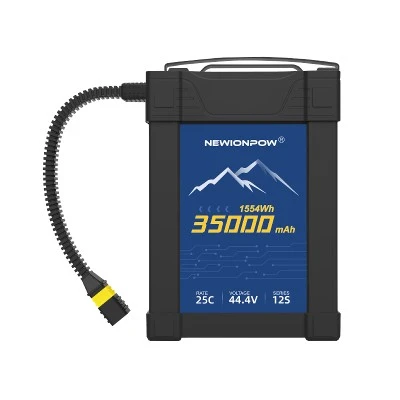
For instance, our Lipo 22000mAh 6S Battery is a popular choice among drone enthusiasts. It provides a substantial amount of power and runtime, making it suitable for long - flight missions. Similarly, the 22.2V 16000mAh Lipo Battery and 22.2V 30000mAh Drone Battery are designed to meet different power requirements of drones and other devices.
The Potential for Explosion
While 6S batteries are generally safe when used and maintained properly, there is a small risk of explosion under certain circumstances. The main reason behind a battery explosion is thermal runaway. Thermal runaway occurs when the heat generated within the battery exceeds the heat dissipated to the surrounding environment. This can lead to a rapid increase in temperature, which in turn causes the electrolyte in the battery to decompose and release flammable gases. If the pressure inside the battery builds up to a critical level, the battery can rupture and potentially explode.
There are several factors that can trigger thermal runaway in a 6S battery:
-
Overcharging: When a 6S battery is overcharged, the voltage of each cell can exceed its safe limit. This can cause the lithium metal to deposit on the electrodes, leading to a short - circuit within the cell. The short - circuit generates heat, which can initiate thermal runaway. To prevent overcharging, it is essential to use a charger specifically designed for 6S batteries and to follow the manufacturer's charging instructions carefully.
-
Overdischarging: Overdischarging a 6S battery can also damage the cells. When the battery voltage drops too low, the chemical reactions inside the cells can become unstable, leading to the formation of metallic lithium and other by - products. These by - products can cause internal short - circuits and increase the risk of thermal runaway. Most modern 6S batteries are equipped with a low - voltage protection circuit to prevent overdischarging.
-
Physical Damage: Dropping, puncturing, or crushing a 6S battery can damage the internal structure of the cells, causing a short - circuit. Even a small puncture can allow oxygen to enter the battery and react with the flammable electrolyte, leading to a fire or explosion. It is important to handle 6S batteries with care and to avoid subjecting them to physical stress.
-
High Temperatures: Exposing a 6S battery to high temperatures can accelerate the chemical reactions inside the cells and increase the risk of thermal runaway. Batteries should be stored and used in a cool, dry place, away from direct sunlight and heat sources.
Minimizing the Risk of Explosion
As a 6S battery supplier, I understand the importance of ensuring the safety of our customers. Here are some tips to minimize the risk of explosion:
-
Use a Quality Charger: Always use a charger that is compatible with your 6S battery and has built - in safety features, such as overcharge protection and temperature monitoring. Avoid using cheap or unbranded chargers, as they may not provide adequate protection.
-
Monitor the Charging Process: Never leave a 6S battery unattended while it is charging. Keep an eye on the battery and the charger during the charging process. If you notice any signs of overheating, swelling, or unusual behavior, stop the charging immediately and remove the battery from the charger.
-
Store the Battery Properly: Store your 6S battery in a fire - resistant container, such as a LiPo safety bag. Keep the battery at a moderate temperature and charge it to around 50% - 60% of its capacity if it is going to be stored for an extended period.
-
Inspect the Battery Regularly: Before using a 6S battery, inspect it for any signs of damage, such as swelling, leaks, or punctures. If you find any damage, do not use the battery and dispose of it properly.
-
Follow the Manufacturer's Instructions: Always follow the manufacturer's instructions for charging, discharging, and storing your 6S battery. These instructions are designed to ensure the safe and optimal performance of the battery.
Conclusion
In conclusion, while a 6S battery can explode under certain circumstances, the risk can be significantly reduced by following proper safety procedures. As a 6S battery supplier, we are committed to providing high - quality batteries and educating our customers about battery safety. If you have any questions or concerns about our 6S batteries, or if you are interested in purchasing our products, please feel free to contact us for a detailed discussion about your specific requirements. We look forward to working with you to meet your power needs safely and efficiently.
References
- Battery University. "Lithium - Ion: Safety Concerns and Precautions."
- International Electrotechnical Commission. "Safety Requirements for Portable Lithium - Ion and Lithium - Metal Batteries and Battery Packs for Use in Portable Equipment."


