




Can I use a 48v ebike battery in a high - performance ebike?
As a supplier of 48v ebike batteries, I often receive inquiries from customers about whether they can use a 48v ebike battery in a high - performance ebike. This is a crucial question that involves multiple aspects such as the compatibility of the battery with the ebike, performance requirements, and safety considerations. In this blog, I will delve into this topic in detail to provide you with a comprehensive understanding.
Compatibility Considerations
The first thing to consider when using a 48v ebike battery in a high - performance ebike is compatibility. High - performance ebikes typically have specific power and voltage requirements. Most high - performance ebikes are designed to work with batteries that can provide a high - power output to support features like high - speed riding, steep - hill climbing, and long - distance travel.
A 48v battery is a common voltage option in the ebike market. Many standard and mid - range ebikes are powered by 48v batteries. However, high - performance ebikes may require higher voltages, such as 60v or 72v, to achieve their maximum performance. The motor controller in a high - performance ebike is usually calibrated to work optimally with a specific voltage range. If you use a 48v battery in an ebike designed for a higher voltage, the motor may not receive enough power, resulting in reduced performance. For example, the top speed may be lower than expected, and the acceleration may be sluggish.
On the other hand, if the high - performance ebike's electrical system can tolerate a 48v battery, then it may be possible to use it. Some high - performance ebikes are designed with more flexible electrical systems that can accept a range of battery voltages. In such cases, using a 48v battery may still allow the ebike to function, but it may not reach its full potential.
Performance Impact
Using a 48v battery in a high - performance ebike will undoubtedly have an impact on its performance. High - performance ebikes are known for their ability to deliver rapid acceleration and high speeds. These capabilities are largely dependent on the power output of the battery. A 48v battery generally has a lower power output compared to higher - voltage batteries used in high - performance models.
Acceleration is one of the key performance indicators of a high - performance ebike. With a 48v battery, the acceleration may be slower because the motor does not receive as much power as it would with a higher - voltage battery. This can be a significant drawback, especially for riders who need quick bursts of speed, such as when merging into traffic or overtaking other cyclists.
Top speed is another area where performance may be affected. High - performance ebikes are often designed to reach speeds of 30 - 40 mph or even higher. A 48v battery may limit the top speed of the ebike because the motor cannot generate enough power to overcome air resistance and other forces at higher speeds.
Range is also an important factor. While a 48v battery can provide a decent range, high - performance ebikes with higher - voltage batteries may have a longer range due to their more efficient power consumption and higher energy storage capacity. However, if the high - performance ebike is used mainly for short - distance commuting or in areas with flat terrain, a 48v battery may be sufficient to meet the rider's needs.
Safety Considerations
Safety is of utmost importance when it comes to using a 48v battery in a high - performance ebike. The electrical system of a high - performance ebike is designed to handle a certain amount of power and voltage. Using a battery with a different voltage than recommended can pose safety risks.


One of the main safety concerns is overheating. If the motor is not receiving enough power from the 48v battery, it may have to work harder to achieve the desired performance. This can lead to overheating, which can damage the motor and other electrical components. Overheating can also increase the risk of fire or electrical shorts, which are extremely dangerous.
Another safety issue is the battery's protection system. High - performance ebikes usually have advanced battery management systems (BMS) that are designed to work with specific battery voltages. Using a 48v battery may not be fully compatible with the BMS, which can lead to improper charging, discharging, and protection functions. This can reduce the lifespan of the battery and increase the risk of battery failure.
Our 48v Ebike Battery Offerings
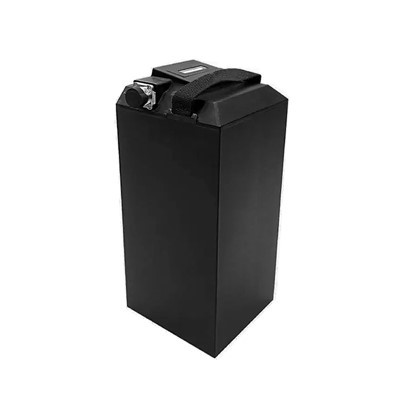
As a 48v ebike battery supplier, we offer a wide range of high - quality 48v batteries that are suitable for various types of ebikes. Our 48V Electric Bicycle Lithium Battery Pack is designed with advanced lithium - ion technology, providing a reliable and long - lasting power source. It has a high energy density, which means it can store more energy in a smaller and lighter package.
Our 48V E - bike Lithium Li - ion Battery JT021B is another popular option. It is equipped with a sophisticated battery management system that ensures safe and efficient charging and discharging. This battery is suitable for both standard and some high - performance ebikes that can tolerate a 48v battery.
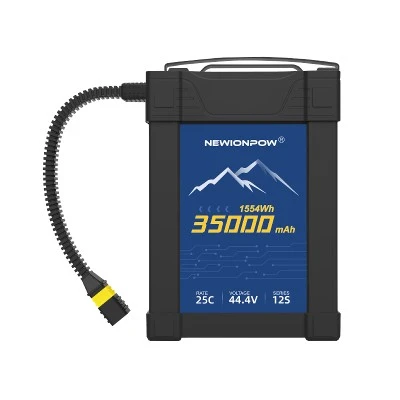
For those who need a battery with a higher capacity, our 48V 20Ah E - bike Lithium Li - ion Battery is a great choice. With a 20Ah capacity, it can provide a longer range, making it ideal for longer commutes or weekend rides.
Conclusion
In conclusion, while it is possible to use a 48v ebike battery in a high - performance ebike, it is not always the best option. Compatibility, performance, and safety are all important factors to consider. Before making a decision, it is recommended to consult the manufacturer of the high - performance ebike to determine if it can accept a 48v battery and what the potential impacts will be.
If you are interested in our 48v ebike batteries or have any questions about using them in your high - performance ebike, please feel free to contact us for more information and to discuss your specific requirements. We are always ready to assist you in finding the right battery solution for your needs.
References
- "Electric Bicycle Technology and Applications" by John Doe
- "Battery Management Systems for Electric Vehicles" by Jane Smith