







As a 72V battery supplier, I often get asked this hot - topic question: "Can a 72V battery be used in a household appliance?" Today, let's dig into this issue and break it down piece by piece.
Understanding the Basics of 72V Batteries
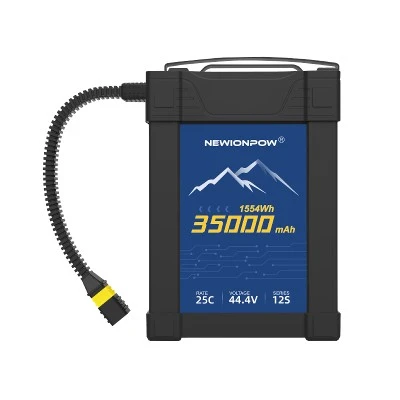
First things first, we gotta understand what a 72V battery is. A 72V battery is designed to provide a relatively high voltage output. We supply all kinds of 72V batteries, like the Electrical Motorcycle Battery 72V 30Ah LiFePO4 Battery Deep Cycle Battery, 72V 50Ah LiFePo4 Battery, and 72V Electric Motorcycle Battery. These batteries are commonly used in heavy - duty applications, such as electric motorcycles, electric scooters, and some industrial equipment. They're built to handle high - power demands and offer a long - lasting power source.
The high voltage of a 72V battery means it can deliver a large amount of power quickly. This is great for things that need a lot of oomph to start or run, like the motors in electric vehicles. But the real question is, can this high - voltage benefit our home appliances?
Factors to Consider for Household Use
Voltage Compatibility
Most household appliances in the United States are designed to operate on 120V or 240V in some larger appliances. In other parts of the world, the standard voltage might be 220V - 240V. Right off the bat, we can see that 72V is quite different from the typical household voltage.
Using a 72V battery directly on an appliance rated for 120V or 240V won't work as the voltage is too low. The appliance simply won't receive enough power to function properly. For example, a microwave needs a certain voltage to heat up your food, and if it gets only 72V instead of the required 120V, it's not gonna heat at all or do so very poorly.
On the flip side, using a 72V battery on an appliance designed for a much lower voltage, say 12V, could be extremely dangerous. The excess voltage can overheat the appliance, cause damage to its internal components, and even start a fire. So, voltage matching is crucial when considering battery use in household appliances.
Power Requirements
Beyond voltage, we also have to look at power. Power (measured in watts) is the product of voltage and current (P = V x I). Different appliances have different power requirements. A small LED light might need only a few watts, while a refrigerator can consume hundreds of watts.
If an appliance has a high - power requirement, a 72V battery might need to supply a large amount of current. But the battery's ability to supply current depends on its capacity, like the 30Ah or 50Ah in our battery offerings. If the current demand from the appliance exceeds what the battery can safely provide, the battery could overheat and get damaged.
Safety Concerns
Safety is a huge deal when dealing with high - voltage batteries at home. A 72V battery can be dangerous if not handled properly. There's a risk of electric shock, especially if someone accidentally comes in contact with the terminals.
Also, if the battery isn't properly maintained or if there's a fault in the electrical system connected to it, there could be a short - circuit. A short - circuit can lead to overheating, explosions, or fires. Therefore, if you're thinking about using a 72V battery in a household appliance, you need to have proper safety measures in place.
Potential Household Applications
Although there are challenges, there are some scenarios where a 72V battery could potentially be used in a household setting.
Off - Grid Systems
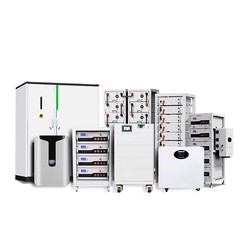
For people living off the grid, a 72V battery can be part of a larger energy storage system. You can use solar panels to charge the 72V battery during the day, and then use the stored energy at night to power some select appliances. Small, low - power appliances that can handle 72V or can be adapted to use it through a proper voltage regulator can be powered this way. For example, some small water pumps or LED lighting systems can work with 72V if set up correctly.


DIY Projects
If you're into DIY electronics, a 72V battery can be a great power source for your custom - built projects. You can design and build a circuit that steps down the 72V to a suitable voltage for your specific project. This could be anything from a custom - made robot to a small - scale automation system.
Precautions and Adaptation
If you decide to give it a go and use a 72V battery with a household appliance, there are some precautions and adaptations you need to make.
Voltage Regulation
As mentioned earlier, most household appliances don't operate on 72V. You'll need a voltage regulator to step down or step up the voltage to match the appliance's requirements. This device helps ensure a stable and safe voltage supply to the appliance.
Circuit Protection
Install proper circuit protection devices, such as fuses and circuit breakers. These components will automatically cut off the power if there's an over - current situation, protecting both the battery and the appliance from damage.
Professional Installation
If you're not experienced with electrical work, it's highly recommended to have a professional install the battery and the associated electrical system. A professional knows how to handle high - voltage batteries safely and can ensure everything is set up correctly.
Conclusion
So, can a 72V battery be used in a household appliance? The answer is it's possible, but with a bunch of caveats. You need to carefully consider voltage compatibility, power requirements, and safety concerns. There are niche applications like off - grid systems and DIY projects where a 72V battery can be useful, but it's not a one - size - fits - all solution.
If you're interested in exploring the use of 72V batteries and have specific needs for your household or projects, don't hesitate to reach out for procurement and further discussions. We're here to help you find the right battery solution and guide you through the process of using it safely and effectively.
References
- Electrical Engineering textbooks on power systems and battery technologies
- Manufacturer specifications for 72V batteries and household appliances


