




When it comes to powering your helicopter, the choice of battery is crucial. One common question that many helicopter enthusiasts ask is, "Can I use a 3S battery in my helicopter?" In this blog post, I'll delve into the technical details, advantages, potential drawbacks, and considerations of using a 3S battery in your helicopter. As a 3S battery supplier, I have in - depth knowledge of these power sources and can provide you with comprehensive insights.
Understanding 3S Batteries
First, let's understand what a 3S battery is. The "S" in 3S stands for "series." A 3S battery consists of three individual lithium - polymer (LiPo) cells connected in series. Each LiPo cell typically has a nominal voltage of 3.7V. So, a 3S battery has a nominal voltage of 3.7V x 3 = 11.1V.
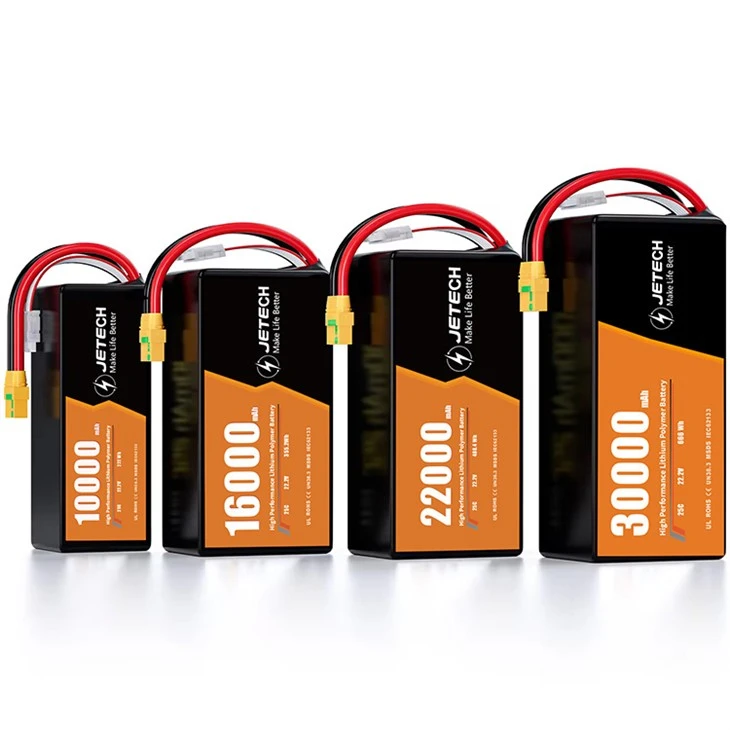
These batteries are popular in the RC (radio - controlled) world, including helicopters, due to their high energy density, relatively light weight, and the ability to deliver high currents. They come in various capacities, such as 11.1V 10000mAh Lipo Battery, 11.1V 5000mAh Lipo Battery, and 11.1V 6000mAh Lipo Battery. The capacity (measured in milliamp - hours, mAh) determines how long the battery can supply a certain amount of current. A higher mAh rating generally means longer flight times, all other factors being equal.

Compatibility with Helicopters
The answer to whether you can use a 3S battery in your helicopter depends on several factors.
Voltage Compatibility
The first thing to check is the voltage requirements of your helicopter's electrical system. Most modern RC helicopters are designed to operate within a specific voltage range. If your helicopter is rated for 11.1V, then a 3S battery is a suitable choice. However, if it is designed for a different voltage, such as 7.4V (2S) or 14.8V (4S), using a 3S battery may cause problems.
Using a battery with a lower voltage than required may result in insufficient power for the helicopter to take off or maintain stable flight. On the other hand, using a battery with a higher voltage can damage the electronic components of the helicopter, such as the ESC (electronic speed controller) and the motor.
Current Requirements
Another important factor is the current draw of your helicopter. Different helicopters have different power requirements based on their size, weight, and the number of motors. You need to ensure that the 3S battery you choose can supply the necessary current.
The current - supplying ability of a battery is often specified by its C - rating. The C - rating indicates how many times the battery's capacity it can discharge in one hour. For example, a 5000mAh battery with a 20C rating can supply a maximum current of 5000mAh x 20 = 100,000mAh or 100A. You should choose a battery with a C - rating that can meet or exceed the maximum current draw of your helicopter.
Physical Dimensions
The physical size and weight of the battery also matter. Your helicopter has a specific battery compartment with certain dimensions. You need to make sure that the 3S battery you select can fit properly into this compartment. Additionally, the weight of the battery can affect the helicopter's balance and flight performance. A heavier battery may require adjustments to the helicopter's center of gravity.
Advantages of Using a 3S Battery in a Helicopter
High Energy Density
As mentioned earlier, LiPo batteries have a high energy density. This means that they can store a large amount of energy in a relatively small and light package. For a helicopter, this is a significant advantage as it allows for longer flight times without adding too much weight.
High Discharge Rates
3S LiPo batteries can typically deliver high discharge rates, which is essential for helicopters. During takeoff, climbing, and performing maneuvers, the helicopter requires a large amount of power in a short period. A 3S battery with a high C - rating can supply this power without a significant drop in voltage.
Wide Availability
3S batteries are widely available in the market. As a supplier, I can attest to the fact that there is a large variety of 3S batteries with different capacities, C - ratings, and brands. This gives you more options to choose the battery that best suits your helicopter's needs.
Potential Drawbacks
Safety Concerns
LiPo batteries are known to be potentially dangerous if not handled properly. They are sensitive to over - charging, over - discharging, and physical damage. Over - charging can cause the battery to swell, catch fire, or even explode. Over - discharging can reduce the battery's lifespan and performance. Therefore, you need to use a proper charger and monitor the battery's state of charge carefully.
Cost
Compared to some other types of batteries, LiPo batteries can be relatively expensive. The cost is influenced by factors such as capacity, C - rating, and brand. However, considering their performance and the benefits they offer, many helicopter enthusiasts find the investment worthwhile.
Considerations for Optimal Performance
Charging
Use a charger specifically designed for LiPo batteries. A good charger will have features such as balancing charging, which ensures that each cell in the 3S battery is charged to the same voltage. This helps to extend the battery's lifespan and maintain its performance.
Storage
When not in use, store your 3S batteries at a proper state of charge. It is recommended to store LiPo batteries at around 50% - 60% of their capacity. This helps to prevent self - discharge and degradation over time.
Maintenance
Regularly inspect your 3S batteries for any signs of damage, such as swelling, cuts, or punctures. If you notice any damage, do not use the battery and dispose of it properly according to local regulations.
Conclusion
In conclusion, you can use a 3S battery in your helicopter as long as it is compatible in terms of voltage, current, and physical dimensions. 3S batteries offer many advantages, such as high energy density and high discharge rates, but they also come with some potential drawbacks, such as safety concerns and cost.
If you are considering using a 3S battery for your helicopter or need more information about our 3S battery products, we are here to help. We have a wide range of 3S batteries with different capacities and C - ratings to meet your specific requirements. Feel free to reach out to us for more details and to start a procurement discussion.
References
- RC Helicopter Handbook, various editions
- LiPo Battery Manufacturer's Manuals