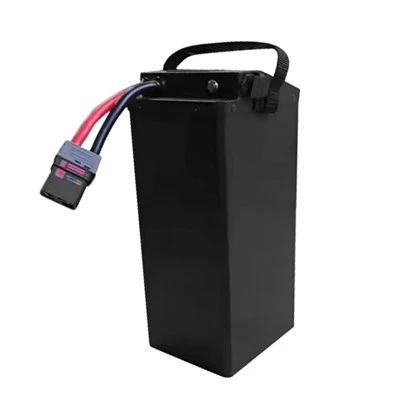



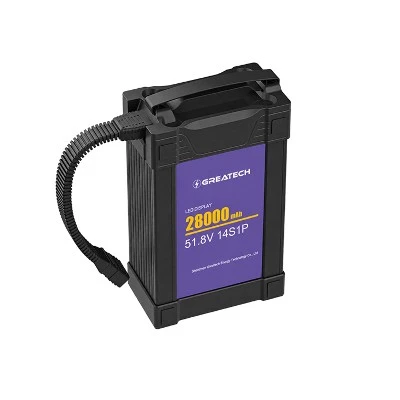


As a seasoned 48V ebike battery supplier, I often encounter inquiries from fat tire ebike enthusiasts about the compatibility of a 48V battery with their bikes. This blog post aims to provide a comprehensive analysis of whether you can use a 48V ebike battery in a fat tire ebike, covering technical aspects, performance implications, and safety considerations.
Technical Compatibility
The first question to address is whether a 48V battery can physically fit into a fat tire ebike. Most fat tire ebikes are designed to accommodate a variety of battery voltages, including 48V. However, it's crucial to check the battery compartment dimensions of your specific ebike model. Some fat tire ebikes may have unique battery mounting systems or limited space, which could pose challenges when installing a 48V battery.
In terms of electrical compatibility, the motor and controller of your fat tire ebike play a significant role. Fat tire ebikes typically come with motors rated for specific voltage ranges. If your ebike's motor and controller are designed to operate at 48V, then using a 48V battery is a straightforward and compatible choice. On the other hand, if your bike is designed for a different voltage, such as 36V or 52V, using a 48V battery may not be suitable and could potentially damage the electrical components.
Performance Considerations
When considering using a 48V battery in a fat tire ebike, it's important to understand how it will impact the bike's performance. A 48V battery generally provides more power compared to lower voltage batteries, which can result in several performance benefits.
Acceleration and Speed: A 48V battery can deliver more current to the motor, resulting in faster acceleration and higher top speeds. This is particularly beneficial for fat tire ebikes, which are often used for off-road adventures or require extra power to navigate through challenging terrain.
Range: The range of an ebike depends on various factors, including battery capacity, motor efficiency, riding conditions, and rider weight. A 48V battery with a higher capacity, such as the 48V 20Ah Ebike Battery, can provide a longer range compared to a lower capacity battery. However, it's important to note that using a higher voltage battery does not necessarily mean a longer range. The overall range also depends on how efficiently the motor uses the power provided by the battery.
Torque: Fat tire ebikes require more torque to overcome the resistance of the wide tires and rough terrain. A 48V battery can provide the necessary power to generate higher torque, making it easier to climb hills and navigate through mud, sand, or snow.
Safety Considerations
Safety should always be a top priority when using an ebike battery. Using a 48V battery in a fat tire ebike requires careful consideration to ensure safe operation.
Overheating: Higher voltage batteries tend to generate more heat during charging and discharging. It's important to ensure that your fat tire ebike has proper ventilation and cooling systems to prevent overheating. Overheating can not only damage the battery but also pose a safety risk.

Overcharging and Overdischarging: To prevent overcharging and overdischarging, it's essential to use a compatible charger and follow the manufacturer's charging instructions. Overcharging can lead to battery swelling, reduced battery life, and even fire hazards. Overdischarging, on the other hand, can damage the battery cells and reduce their capacity.
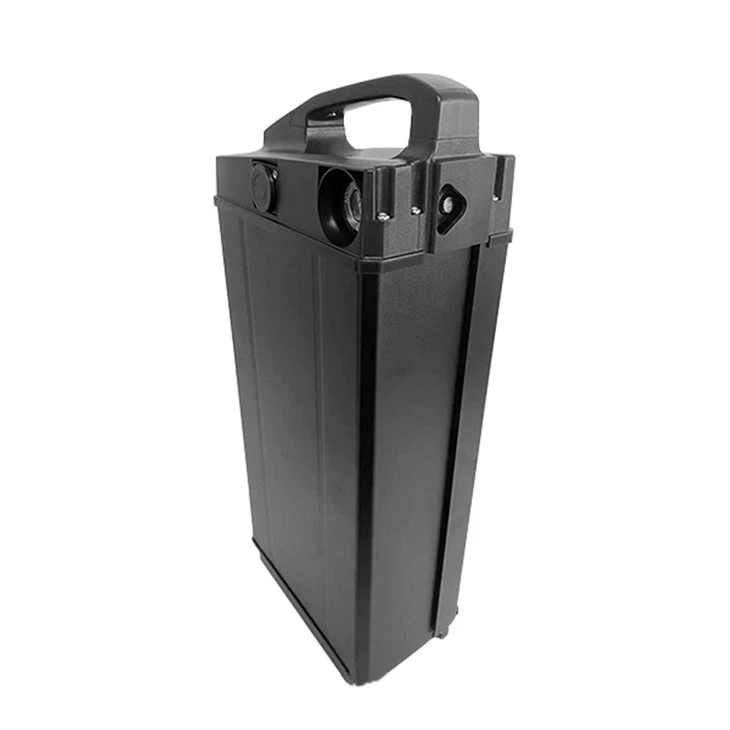
Battery Quality: The quality of the 48V battery is crucial for safe and reliable operation. As a 48V ebike battery supplier, I recommend choosing a battery from a reputable manufacturer that uses high-quality cells and has a good track record of safety and performance. Our 48V Electric Bicycle Lithium Battery Pack and 48V 15.6AH Electric Bicycle Lithium-ion Battery are designed with advanced safety features to protect against overcharging, overheating, and short circuits.
Conclusion
In conclusion, using a 48V ebike battery in a fat tire ebike is possible and can offer several performance benefits, including faster acceleration, higher top speeds, longer range, and more torque. However, it's important to ensure that your fat tire ebike is compatible with a 48V battery in terms of physical fit and electrical requirements. Additionally, you should take proper safety precautions to prevent overheating, overcharging, and overdischarging.
If you're considering using a 48V battery in your fat tire ebike or are interested in purchasing a high-quality 48V ebike battery, I encourage you to contact me for more information. I'm happy to provide expert advice and help you find the right battery for your specific needs.
References
- "Electric Bicycle Battery Basics." Electric Bike Report.
- "Understanding Ebike Batteries." Ebike Generation.
- "Safety Tips for Using Ebike Batteries." Consumer Reports.