




Can I use a 60v battery in a robotics project?
When delving into the realm of robotics projects, one of the crucial decisions you'll face is selecting the right power source. Among the various options available, the question often arises: Can I use a 60V battery in a robotics project? As a supplier of high - quality 60V batteries, I'm here to explore this topic in detail and shed light on the feasibility, advantages, and considerations of using a 60V battery for your robotic endeavors.
Feasibility of Using a 60V Battery in Robotics
The feasibility of using a 60V battery in a robotics project primarily depends on the specific requirements of your robot. Many modern robotics projects, especially those involving larger, more power - hungry robots such as industrial robots or advanced autonomous vehicles, can benefit greatly from the high voltage output of a 60V battery.
High - voltage batteries like 60V ones can deliver more power with less current compared to lower - voltage alternatives. This is significant because lower current means less power loss in the wiring, resulting in a more efficient power transfer. For robots that need to perform tasks such as heavy lifting, high - speed movement, or powering multiple high - power components simultaneously, a 60V battery can provide the necessary energy.
However, it's essential to ensure that all the components in your robotic system are compatible with a 60V power supply. Motors, sensors, controllers, and other electronic parts must be rated to handle the voltage. If you use components that are not designed for 60V, it can lead to component failure, overheating, and potentially dangerous situations.
Advantages of Using a 60V Battery
- Higher Power Output
- A 60V battery can supply a substantial amount of power, which is ideal for driving large motors and power - hungry actuators. For example, in an industrial robotic arm used for heavy - duty manufacturing tasks, a 60V battery can provide the torque and speed required to move large components with precision.
- Improved Efficiency
- As mentioned earlier, high - voltage batteries reduce power loss in the wiring. This means that more of the stored energy in the battery is effectively used by the robot, resulting in longer operating times and better overall performance.
- Compact Design
- For a given power output, a 60V battery can be more compact than a lower - voltage battery with the same capacity. This is beneficial for robotics projects where space is limited, allowing for a more streamlined and efficient robot design.
Considerations When Using a 60V Battery
- Safety
- Working with high - voltage batteries requires strict safety precautions. 60V is a relatively high voltage, and improper handling can lead to electric shocks, short - circuits, and fires. It's crucial to use appropriate insulation, fuses, and circuit protection devices in your robotic system.
- Cost
- High - voltage batteries, especially those with high capacities, can be more expensive than lower - voltage alternatives. You need to factor in the cost of the battery, as well as any additional components required for safe and efficient operation, such as voltage regulators and chargers.
- Battery Management
- A 60V battery requires a proper battery management system (BMS). The BMS helps to monitor the battery's state of charge, temperature, and voltage, ensuring that the battery operates within safe limits. Without a reliable BMS, the battery's lifespan can be significantly reduced, and there is an increased risk of safety issues.
Our 60V Battery Offerings
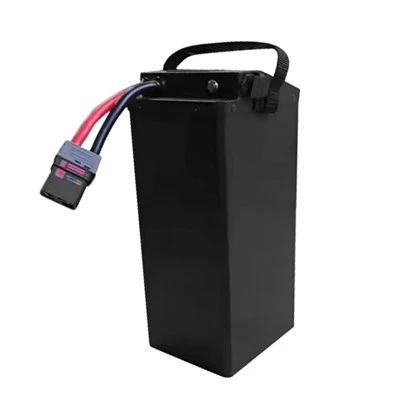
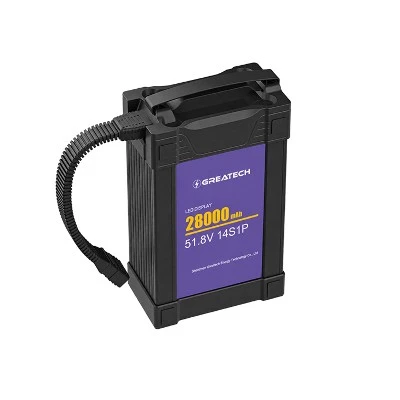
As a 60V battery supplier, we offer a range of high - quality lithium - ion power batteries suitable for robotics projects. Our 60V 30Ah Lithium Ion Power Battery is a great choice for medium - sized robots that require a good balance of power and runtime. It provides a stable 60V output and has a relatively high capacity, allowing your robot to operate for extended periods.
For larger robots or those with more demanding power requirements, our 60V 55Ah Lithium Ion Power Battery is an excellent option. With its higher capacity, it can supply more energy, enabling your robot to perform complex tasks without frequent recharging.


If you have a smaller robotic project or need a more lightweight power source, our 60V 20Ah Lithium Ion Power Battery offers a compact and efficient solution. It still provides the 60V voltage needed for many robotic applications while being more manageable in terms of size and weight.
Contact for Procurement
If you're considering using a 60V battery in your robotics project, we're here to assist you. Our team of experts can help you select the right battery based on your specific requirements, provide technical support, and answer any questions you may have. Whether you're a hobbyist working on a small - scale robotics project or an industrial manufacturer developing large - scale robotic systems, we have the products and knowledge to meet your needs. Contact us to start a procurement discussion and take your robotics project to the next level.
References
- Battery University: A comprehensive resource on battery technology and usage.
- Robotics textbooks and research papers that discuss power sources for robotic systems.
- Industry standards and guidelines for high - voltage battery safety and usage in electronic devices.