




Hey there! As a 48V battery supplier, I've gotten tons of questions about the rechargeability of 48V batteries. So, I thought I'd sit down and write this blog to clear up all the confusion.
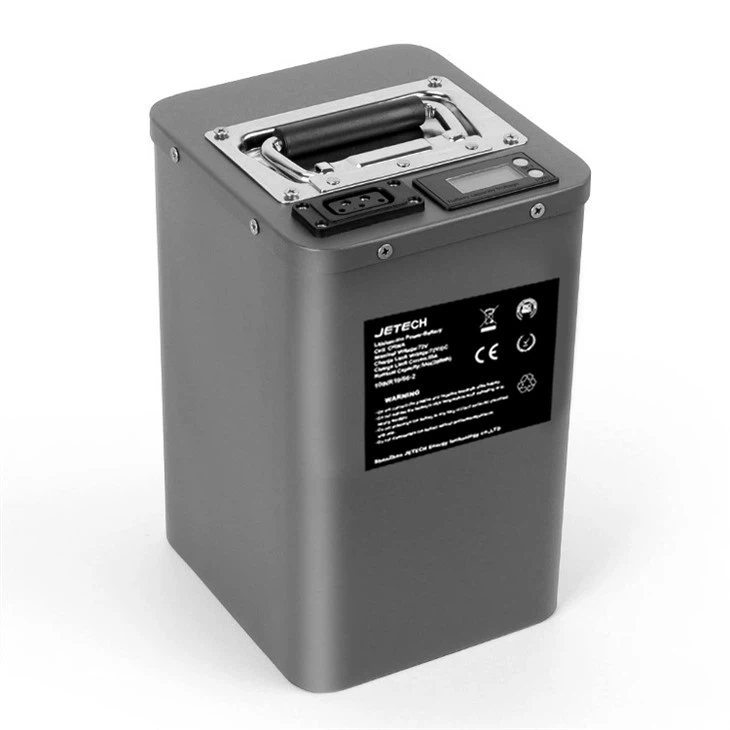

First off, let's talk about what rechargeability actually means. In simple terms, rechargeability is the ability of a battery to be re - energized after it has been discharged. When we're dealing with 48V batteries, this is super important because these batteries are used in a wide range of applications, from electric bikes and scooters to small industrial equipment.
One of the key factors that affect the rechargeability of a 48V battery is the type of battery chemistry. There are several types out there, but the most common ones for 48V systems are lead - acid and lithium - ion batteries.
Lead - acid batteries have been around for a long time. They're relatively cheap and can provide a good amount of power. However, their rechargeability has some limitations. These batteries have a lower energy density compared to lithium - ion batteries. That means they need more space to store the same amount of energy. Also, lead - acid batteries have a limited number of charge - discharge cycles. On average, a lead - acid 48V battery can handle around 300 - 500 full charge - discharge cycles. After that, their capacity starts to degrade significantly. And let's not forget about the maintenance. They need regular checks on the electrolyte levels and proper ventilation to prevent the build - up of hydrogen gas during charging.
On the other hand, lithium - ion batteries are a game - changer when it comes to rechargeability. They have a much higher energy density, which means they can store more energy in a smaller and lighter package. This makes them ideal for applications where weight and space are crucial, like electric motorcycles. Lithium - ion 48V batteries can handle a much larger number of charge - discharge cycles. Depending on the quality and the specific chemistry, they can go through 1000 - 2000 cycles or even more. That's a huge advantage if you're looking for a long - lasting battery solution.
Another aspect that affects rechargeability is the charging method. For 48V batteries, using the right charger is essential. A charger that's not designed for a 48V system can overcharge or undercharge the battery, which can damage it and reduce its rechargeability. For lead - acid batteries, a multi - stage charger is often recommended. This type of charger can adjust the charging current and voltage according to the battery's state of charge. For lithium - ion batteries, a charger with built - in protection circuits is a must. These circuits prevent overcharging, over - discharging, and short - circuits, all of which can harm the battery and its rechargeability.
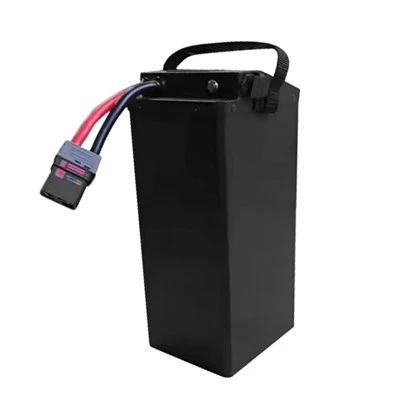
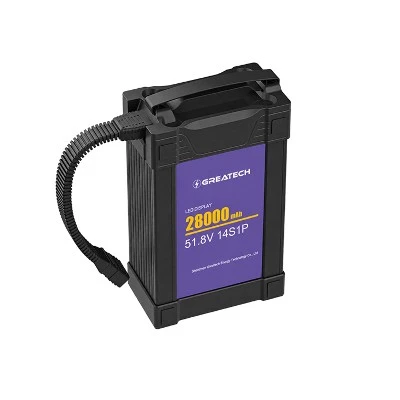
Now, let's take a look at some of the products we offer. We have a great selection of 48V lithium - ion batteries, including the 48V 30Ah Lithium Ion Battery, the 48V 24Ah Lithium Ion Battery, and the 48V 20Ah Lithium Ion Battery. These batteries are designed with high - quality materials and advanced technology to ensure excellent rechargeability.
The 48V 30Ah lithium - ion battery is a great choice for applications that require a lot of power and long - lasting performance. It can handle multiple charge - discharge cycles without losing much of its capacity. The 48V 24Ah battery is a bit more compact but still offers a good balance between power and size. And the 48V 20Ah battery is perfect for smaller electric vehicles or devices where space is limited.
Proper storage also plays a role in the rechargeability of 48V batteries. If you're not going to use the battery for a long time, it's important to store it in a cool, dry place. For lead - acid batteries, they should be stored at a partial state of charge and recharged every few months to prevent sulfation. Lithium - ion batteries should be stored at around 50% state of charge. Storing them at a full or empty state for a long time can reduce their lifespan and rechargeability.
Temperature is yet another factor. Extreme temperatures can have a negative impact on the rechargeability of 48V batteries. High temperatures can accelerate the chemical reactions inside the battery, which can lead to faster degradation. Low temperatures, on the other hand, can reduce the battery's capacity and make it harder to charge. For optimal rechargeability, it's best to operate and charge the batteries within a recommended temperature range. For most lithium - ion batteries, this range is between 20°C - 40°C.
In conclusion, the rechargeability of a 48V battery depends on several factors, including the battery chemistry, charging method, storage conditions, and temperature. As a supplier, we understand the importance of providing high - quality batteries with excellent rechargeability. Our 48V lithium - ion batteries are designed to meet the needs of various applications and offer long - lasting performance.
If you're in the market for a 48V battery, whether it's for your electric vehicle, industrial equipment, or any other application, we'd love to have a chat with you. Reach out to us to discuss your specific requirements and let's find the perfect battery solution for you.
References
- Battery University: A comprehensive resource on battery technology and rechargeability.
- Journal of Power Sources: Research papers on battery performance and rechargeability.