




Hey there! I'm a supplier of hoverboard batteries, and I often get asked about how to balance the cells in a hoverboard battery. It's a crucial topic because proper cell balancing can significantly extend the battery's lifespan and ensure optimal performance. So, let's dive right into it.
First off, let's understand why cell balancing is so important. Hoverboard batteries are usually made up of multiple cells connected in series or parallel. Over time, these cells can start to charge and discharge at different rates. This imbalance can lead to some cells being over - charged or under - charged. An over - charged cell can be a safety hazard as it may overheat, swell, or even catch fire. On the other hand, an under - charged cell reduces the overall capacity of the battery, meaning your hoverboard won't run as long as it should.
Now, how do we actually balance these cells? There are a few methods, and I'll go through each one.
Passive Balancing
Passive balancing is one of the most common methods. It works by using resistors to bleed off excess charge from the cells that are more fully charged. When the battery is being charged, the charger monitors the voltage of each cell. If a cell's voltage is higher than the others, the passive balancing circuit will connect a resistor across that cell. The resistor will then dissipate the excess energy as heat, bringing the cell's voltage down to match the others.
The advantage of passive balancing is that it's relatively simple and inexpensive. However, it has its drawbacks. Since it dissipates energy as heat, it's not very efficient. Also, it can take a long time to balance the cells, especially if the imbalance is significant.
Active Balancing
Active balancing is a more advanced method. Instead of dissipating the excess energy as heat, it transfers the excess charge from the more fully charged cells to the less fully charged ones. This is done using circuits that can move the energy around within the battery pack.
There are different types of active balancing circuits, such as capacitor - based and inductor - based circuits. Capacitor - based active balancing uses capacitors to store and transfer the energy between cells. Inductor - based circuits, on the other hand, use inductors to perform the same function.
The main advantage of active balancing is its efficiency. It can balance the cells much faster than passive balancing and doesn't waste energy as heat. However, it's more complex and expensive to implement. You need more sophisticated electronics and components, which can drive up the cost of the battery pack.
Using a Battery Management System (BMS)
A Battery Management System is a key component in ensuring proper cell balancing. A BMS is an electronic system that monitors and manages the battery pack. It can perform functions like over - charge protection, over - discharge protection, and of course, cell balancing.
Most modern hoverboard batteries come with a built - in BMS. When you're charging your hoverboard battery, the BMS will continuously monitor the voltage of each cell. If it detects an imbalance, it will initiate the balancing process, whether it's passive or active balancing.
It's important to choose a high - quality BMS for your hoverboard battery. A good BMS will be accurate in monitoring the cell voltages and efficient in balancing the cells. It will also have safety features to protect the battery from over - heating and other potential hazards.
Tips for Maintaining Cell Balance
Apart from using the right balancing method, there are some things you can do to help maintain the balance of your hoverboard battery cells.
- Proper Charging: Always use the charger that's recommended for your hoverboard battery. Using the wrong charger can lead to uneven charging and cause cell imbalance. Also, try not to over - charge or under - charge the battery. Charge it to the recommended level and don't leave it on the charger for too long after it's fully charged.
- Regular Use: Using your hoverboard regularly can help keep the battery cells balanced. If you let the battery sit idle for long periods, the cells can start to self - discharge at different rates, leading to imbalance.
- Temperature Control: Extreme temperatures can affect the performance and balance of the battery cells. Try to store and use your hoverboard in a moderate temperature environment. Avoid leaving it in direct sunlight or in a very cold place for extended periods.
Our Hoverboard Battery Products
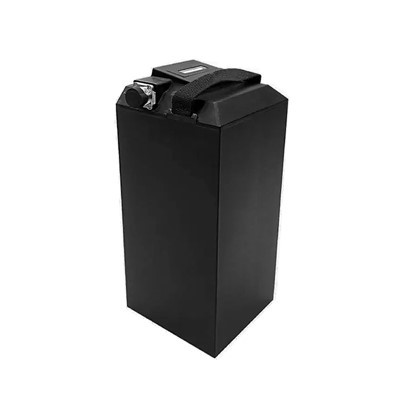
As a hoverboard battery supplier, we offer a range of high - quality batteries. For example, we have the 24V Hoverboard Battery. This battery is designed to provide reliable power for your hoverboard. It comes with a built - in BMS that uses advanced cell balancing technology to ensure optimal performance and safety.
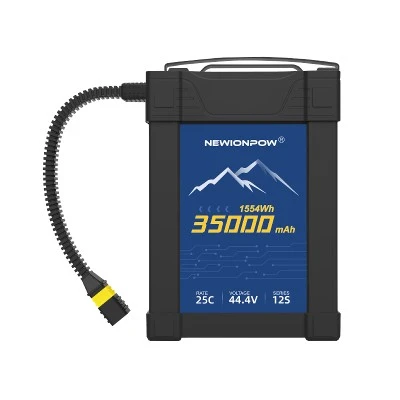
Another great product is the 25.2V 4Ah 100.8Wh Li - ion Battery Pack for Hoverboard Scooter. This battery pack has a high capacity, which means your hoverboard can run for longer. The BMS in this battery pack is also very efficient at balancing the cells, so you don't have to worry about uneven charging.
We also have the 24V Electric Scooter Battery. It's a versatile battery that can be used not only for hoverboards but also for some electric scooters. It's built with high - quality cells and a reliable BMS to keep the cells balanced and the battery performing well.
Contact Us for Purchase
If you're in the market for a new hoverboard battery or want to learn more about cell balancing and our products, don't hesitate to reach out. We're always happy to answer your questions and help you find the right battery for your needs. Whether you're a retailer looking to stock our products or an individual looking for a replacement battery, we can assist you.


References
- Battery University: A great resource for all things related to batteries, including cell balancing methods and battery management.
- Electronics textbooks: Many textbooks on electronics cover the principles of battery charging and cell balancing in detail.
So, that's how you balance the cells in a hoverboard battery. I hope this blog has been helpful to you. If you have any more questions, feel free to ask!