







When it comes to the world of batteries, understanding the discharge rate is crucial, especially for those in industries that rely heavily on battery - powered equipment. As a 6V battery supplier, I've encountered numerous inquiries about the discharge rate of 6V batteries. In this blog, I'll delve into what the discharge rate is, how it affects the performance of 6V batteries, and why it matters to you.
What is the Discharge Rate?
The discharge rate of a battery refers to the speed at which a battery releases its stored energy. It is typically expressed as a multiple of the battery's rated current, denoted by the letter "C". For example, a 1C discharge rate means that the battery is being discharged at a current equal to its rated capacity within one hour. If we have a 6V 10Ah battery, a 1C discharge rate would mean discharging the battery at a current of 10 amperes for one hour.
Factors Affecting the Discharge Rate of 6V Batteries
- Battery Chemistry: Different battery chemistries have different capabilities when it comes to discharge rates. For instance, lead - acid batteries, which are commonly used in 6V applications such as some small vehicles, toys, and backup power systems, generally have a lower high - rate discharge capability compared to lithium - ion batteries. Lead - acid batteries are more suitable for slow and steady discharges. In contrast, lithium - ion 6V batteries can often handle higher discharge rates, making them ideal for high - power applications like power tools.
- Battery Capacity: The capacity of a 6V battery, measured in ampere - hours (Ah), also plays a role in its discharge rate. A higher - capacity battery may be able to handle a higher absolute discharge current. For example, a 6V 12Ah Battery can potentially discharge at a higher current than a 6V 7Ah battery while maintaining a reasonable discharge time.
- Temperature: Temperature has a significant impact on the discharge rate of 6V batteries. In cold temperatures, the chemical reactions within the battery slow down, reducing the battery's ability to deliver current at a high rate. On the other hand, high temperatures can increase the rate of self - discharge and may even cause damage to the battery if the discharge rate is too high.
Importance of Understanding the Discharge Rate
- Application Compatibility: Knowing the discharge rate of a 6V battery is essential for ensuring that the battery is compatible with the intended application. For example, if you are using a 6V battery to power a radio that requires a low and steady current, a battery with a lower discharge rate may be sufficient. However, if you are powering a high - speed electric toy, you will need a battery with a higher discharge rate to meet the sudden power demands.
- Battery Life: Operating a battery at an inappropriate discharge rate can significantly affect its lifespan. If a battery is discharged at a rate that is too high for its design, it can lead to overheating, internal damage, and a shorter overall life. By matching the discharge rate to the application, you can extend the battery's useful life and save on replacement costs.
- Performance Optimization: Understanding the discharge rate allows you to optimize the performance of your battery - powered devices. You can select the right battery for the job, ensuring that the device operates at its best. For example, in a solar power storage system using 6V batteries, choosing a battery with the appropriate discharge rate can help balance the charging and discharging cycles, maximizing the efficiency of the system.
Discharge Rate and Our 6V Battery Products
As a 6V battery supplier, we offer a range of products with different discharge rate capabilities to meet various customer needs.
- 6V 7Ah Battery: This battery is suitable for applications that require a moderate amount of power over a relatively long period. It has a discharge rate that is well - suited for small backup power systems, such as emergency lighting or small security devices. The 7Ah capacity provides a good balance between size and power output, and the discharge rate allows for a stable and reliable performance.
- 6V 9Ah Battery: With a slightly higher capacity, this battery can handle a bit more current draw. It is often used in applications like some small electric vehicles and larger toys. The discharge rate of the 6V 9Ah battery is designed to provide a smooth power supply, ensuring that the device operates without any sudden drops in performance.
- 6V 12Ah Battery: This high - capacity battery is ideal for applications that demand a higher power output. It can support larger backup power systems, such as those used in small offices or home automation systems. The higher discharge rate of the 6V 12Ah battery allows it to quickly deliver the necessary power when needed.
How to Determine the Right Discharge Rate for Your Application
- Assess the Power Requirements: First, determine the power requirements of your device. Look at the device's specifications to find out the current it needs to operate. If it is a device that has variable power demands, such as a motor - driven device, you may need to consider the peak power requirements as well.
- Consider the Duty Cycle: The duty cycle of the application, which refers to the ratio of the time the device is in use to the total time, also affects the choice of discharge rate. If the device is used continuously for long periods, a battery with a lower but sustainable discharge rate may be more appropriate. For devices that are used intermittently with high - power spikes, a battery with a higher discharge rate is needed.
- Consult with an Expert: If you are unsure about which discharge rate is right for your application, don't hesitate to contact us. Our team of experts can provide you with detailed advice based on your specific requirements.
Conclusion
Understanding the discharge rate of a 6V battery is crucial for making informed decisions when it comes to selecting the right battery for your application. As a 6V battery supplier, we are committed to providing high - quality batteries with a range of discharge rate capabilities to meet the diverse needs of our customers. Whether you need a battery for a small, low - power device or a high - power application, we have the right solution for you.
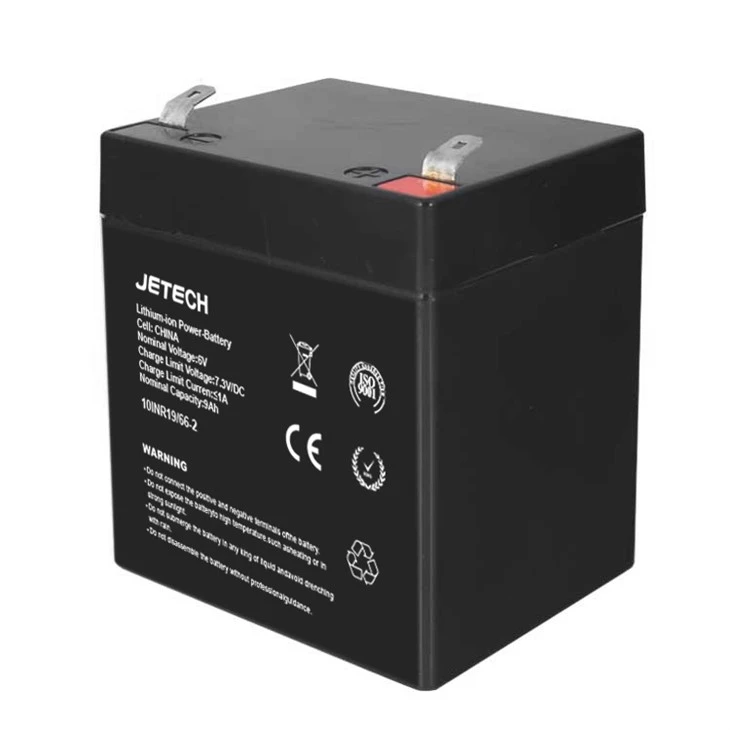

If you are interested in our 6V battery products or have any questions about discharge rates and battery selection, please feel free to reach out to us. We look forward to discussing your requirements and helping you find the perfect battery for your needs.
References
- Linden, D., & Reddy, T. B. (2002). Handbook of Batteries. McGraw - Hill.
- Dunlop, R. (2011). Battery Technology Handbook. Elsevier.


