




Hey there! As a 6V battery supplier, I've seen my fair share of folks struggling with batteries that just won't charge. It can be super frustrating, but don't worry – I'm here to walk you through some troubleshooting steps to get your 6V battery back in action.
Check the Charger First
The first thing you gotta do is look at the charger. A faulty charger is often the culprit when a battery won't charge. Start by making sure the charger is properly plugged into a working power outlet. Sometimes, it's just a loose connection that's causing the problem.
If the charger has indicator lights, check to see if they're working. A blinking or non - lit light could mean there's an issue with the charger itself. You can also try using a multimeter to test the charger's output voltage. It should match the battery's voltage requirements. For a 6V battery, the charger should output around 6 - 7.2V (depending on the type of battery).
If you find that the charger is not working, it might be time to replace it. We offer high - quality chargers that are compatible with our 6V 12Ah Battery, 6V 9Ah Battery, and 6V 4Ah Battery.
Examine the Battery Connections
Next up, take a close look at the battery connections. Over time, corrosion can build up on the terminals, which can prevent the battery from charging properly. Corrosion looks like a white, powdery substance on the terminals.
To clean the terminals, you'll need a mixture of baking soda and water. Make a paste and use a toothbrush to gently scrub the terminals. Rinse them with clean water and dry them thoroughly. Then, make sure the battery cables are tightly connected to the terminals. Loose connections can also cause charging issues.
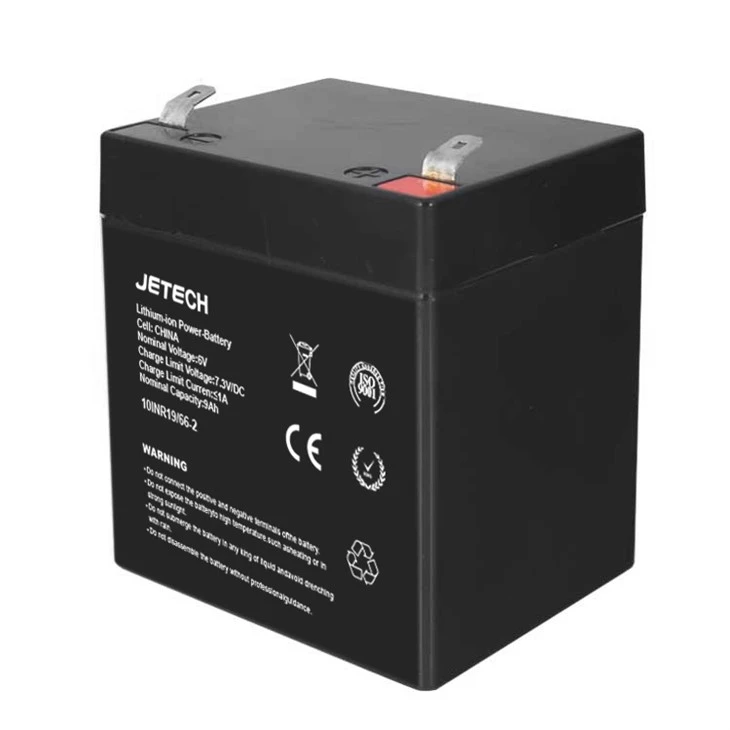

If the battery cables are damaged, frayed, or corroded inside the insulation, they might need to be replaced. Faulty cables can disrupt the flow of electricity and prevent the battery from charging.
Look for Physical Damage
Inspect the battery for any physical damage. Cracks, leaks, or bulges in the battery case are signs of serious problems. A cracked case can allow the battery acid to leak out, which is not only dangerous but can also damage the battery's internal components.
If you notice any physical damage, it's best to replace the battery right away. Continuing to use a damaged battery can be a safety hazard and will likely not result in proper charging. We have a wide range of replacement batteries, including 6V 12Ah Battery, 6V 9Ah Battery, and 6V 4Ah Battery, that are built to last.
Test the Battery Voltage
Use a multimeter to test the battery's voltage. A fully charged 6V battery should read around 6.3 - 6.4V. If the voltage is significantly lower, it might be that the battery is deeply discharged or has a problem.
If the voltage is very low, try a slow charge. Some chargers have a "trickle charge" mode, which can be used to slowly bring the battery back to life. However, if the battery still won't charge after a long period of trickle charging, it could be that the battery has reached the end of its life.
Consider the Battery Age
Batteries have a limited lifespan. If your 6V battery is several years old, it might just be time for a replacement. Over time, the internal components of the battery break down, and it loses its ability to hold a charge.
On average, a lead - acid 6V battery can last anywhere from 3 to 5 years, depending on how it's used and maintained. If you've had your battery for a long time and it's not charging, it's probably a good idea to invest in a new one. We offer top - quality replacement batteries that are designed to provide reliable performance.
Check the Battery Type
Different types of 6V batteries have different charging requirements. For example, lead - acid batteries and lithium - ion batteries need different chargers and charging methods. Make sure you're using the right charger for your battery type.
If you're not sure what type of battery you have, check the label on the battery. It should indicate the type, as well as the voltage and capacity. If you need help choosing the right charger or battery, feel free to reach out to us.
Environmental Factors
The environment can also affect the battery's charging performance. Extreme temperatures, both hot and cold, can impact the battery's ability to charge. If the battery is exposed to very high temperatures, it can cause the electrolyte to evaporate, which can damage the battery. On the other hand, cold temperatures can slow down the chemical reactions inside the battery, making it harder to charge.
Try to keep the battery in a moderate temperature environment when charging. If possible, move the battery to a cooler or warmer location, depending on the situation.
Conclusion
Troubleshooting a 6V battery that won't charge can be a bit of a process, but by following these steps, you should be able to figure out what's going wrong. Whether it's a charger issue, a problem with the connections, or an old battery, we're here to help.
We're a leading supplier of 6V batteries, and we offer a wide range of products, including 6V 12Ah Battery, 6V 9Ah Battery, and 6V 4Ah Battery. If you're in the market for a new battery or charger, or if you have any questions about battery maintenance and troubleshooting, don't hesitate to contact us. We're always happy to assist with your battery needs and help you find the best solution for your situation.
References
- Battery University: A comprehensive resource for battery information and technology.
- Various industry manuals and guides on battery maintenance and charging.