




Temperature is a critical factor that significantly impacts the performance, lifespan, and safety of 48V e-bike batteries. As a supplier of 48V e-bike batteries, I've witnessed firsthand how temperature variations can lead to different outcomes for these power sources. In this blog, I'll delve into the science behind how temperature affects 48V e-bike batteries and offer insights on how to mitigate these effects.
The Basics of 48V E-Bike Batteries
Before we explore the impact of temperature, let's briefly understand what 48V e-bike batteries are. These batteries are the powerhouses that drive electric bikes, providing the energy needed to propel the bike forward. They come in various chemistries, with lithium-ion being the most common due to its high energy density, long lifespan, and relatively low self - discharge rate.
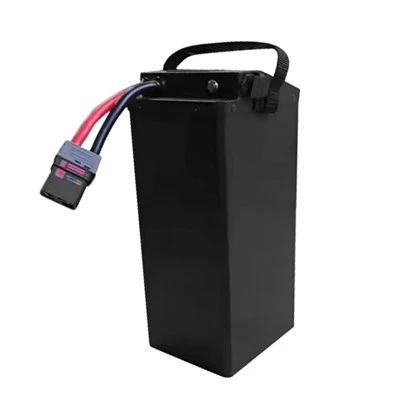
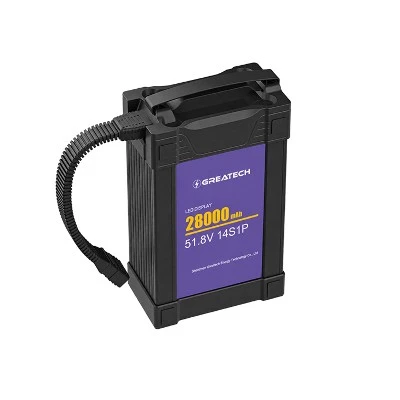
Our company offers a range of high - quality 48V e - bike batteries, including the Lithium Battery For Electric Bike 48v, Electric Bike Battery 36V 18650 Lithium Ion Battery, and 48V Electric Bicycle Lithium - ion Battery. These batteries are designed to meet the diverse needs of e - bike users, from daily commuters to avid cyclists.
Effects of High Temperature
Reduced Battery Capacity
High temperatures can cause a significant reduction in the capacity of a 48V e - bike battery. When the battery is exposed to elevated temperatures, the chemical reactions inside the battery accelerate. This increased reactivity leads to the breakdown of the electrolyte and the electrodes over time. As a result, the battery can no longer store as much energy as it could when it was new. For example, if a 48V e - bike battery has a rated capacity of 10Ah at normal operating temperatures, exposure to high temperatures (say, above 45°C) for an extended period could reduce its capacity to 8Ah or even lower.
Shorter Lifespan
The lifespan of a 48V e - bike battery is also severely affected by high temperatures. The accelerated chemical reactions mentioned earlier not only reduce capacity but also cause physical changes to the battery components. The electrodes can become corroded, and the separator between the electrodes may degrade. These changes lead to an overall shortening of the battery's lifespan. A battery that might typically last for 500 - 1000 charge - discharge cycles at normal temperatures could see its cycle life reduced to 200 - 300 cycles when exposed to high - temperature conditions regularly.
Safety Risks
High temperatures pose significant safety risks to 48V e - bike batteries. When the battery gets too hot, it can enter a state called thermal runaway. In thermal runaway, the heat generated by the battery's internal reactions cannot be dissipated fast enough, causing the temperature to rise exponentially. This can lead to swelling, leakage, or even explosion of the battery. To prevent such dangerous situations, it's crucial to keep the battery within its recommended temperature range during use and storage.
Effects of Low Temperature
Decreased Performance
Low temperatures have a detrimental effect on the performance of 48V e - bike batteries. At cold temperatures, the electrolyte in the battery becomes more viscous, which slows down the movement of ions between the electrodes. This reduced ion mobility results in a decrease in the battery's ability to deliver power. When you try to start your e - bike on a cold winter morning, you may notice that the bike has less power and acceleration compared to when the temperature is warmer. The battery voltage may also drop more rapidly under load, causing the e - bike to cut out earlier than expected.


Reduced Charge Efficiency
Charging a 48V e - bike battery at low temperatures is also problematic. The chemical reactions that occur during charging are less efficient in cold conditions. The battery may not accept a full charge, and the charging process can take much longer. Additionally, charging at low temperatures can cause lithium plating on the electrodes. Lithium plating is a dangerous condition where lithium metal deposits on the anode, which can lead to short - circuits and other safety issues over time.
Optimal Temperature Range for 48V E - Bike Batteries
The optimal temperature range for most 48V e - bike batteries is between 20°C and 30°C. Within this range, the battery can operate at its best in terms of capacity, performance, and lifespan. When the temperature is within this sweet spot, the chemical reactions inside the battery proceed at a moderate pace, allowing for efficient energy storage and release.
Mitigating the Effects of Temperature
Temperature Management Systems
Some advanced 48V e - bike batteries are equipped with temperature management systems. These systems can actively cool or heat the battery to keep it within the optimal temperature range. For example, a battery pack may have built - in fans or heating elements that are controlled by a thermal management controller. When the temperature gets too high, the fans will turn on to dissipate heat, and when it gets too low, the heating elements will activate to warm up the battery.
Proper Storage
Proper storage is essential for maintaining the health of 48V e - bike batteries. During hot summers, store the battery in a cool, shaded place, away from direct sunlight. In winter, keep the battery indoors where the temperature is more stable. It's also a good idea to store the battery at a partial charge (around 50% - 70%) to reduce the stress on the battery during long - term storage.
Riding and Charging Practices
When riding your e - bike in extreme temperatures, adjust your riding style accordingly. In hot weather, avoid long, strenuous rides that could overheat the battery. In cold weather, give the battery some time to warm up before starting a long journey. When charging, make sure to do it in a temperature - controlled environment. Avoid charging the battery immediately after a cold ride; instead, let it warm up to room temperature first.
Conclusion
As a supplier of 48V e - bike batteries, I understand the importance of temperature management for the performance, lifespan, and safety of these batteries. Whether it's high temperatures causing capacity loss and safety risks or low temperatures leading to reduced performance and charge efficiency, temperature has a profound impact on 48V e - bike batteries.
By understanding these effects and taking appropriate measures to mitigate them, e - bike users can ensure that their batteries last longer and perform better. If you're in the market for a high - quality 48V e - bike battery, our company offers a wide range of options to suit your needs. Contact us to discuss your requirements and explore how our products can enhance your e - bike experience.
References
- Dunn, B., Kamath, H., & Tarascon, J. M. (2011). Electrical energy storage for the grid: A battery of choices. Science, 334(6058), 928 - 935.
- Linden, D., & Reddy, T. B. (2002). Handbook of Batteries (3rd ed.). McGraw - Hill.
- Wang, C., & Pesaran, A. (2004). A review of battery thermal performance and liquid based battery thermal management. Journal of Power Sources, 136(1 - 2), 96 - 103.