




Hey there! As a supplier of 60V batteries, I've seen my fair share of battery issues, and one of the most common and dangerous ones is short - circuiting. A short - circuit in a 60V battery can lead to overheating, damage to the battery itself, and in the worst - case scenario, it can even cause a fire. So, in this blog, I'm gonna share some tips on how to avoid short - circuiting a 60V battery.
Understanding What Causes Short - Circuits
Before we dive into the prevention methods, it's important to know what causes short - circuits in the first place. A short - circuit happens when the positive and negative terminals of a battery are connected by a low - resistance path. This can be due to a few reasons.
One common cause is physical damage to the battery. If the battery casing is cracked or punctured, it can expose the internal components and allow the positive and negative terminals to come into contact with each other or with a conductive object. Another cause is improper installation. If the battery terminals are not connected correctly, or if there are loose wires that can touch each other, it can lead to a short - circuit. Also, using the wrong type of charger can cause problems. Chargers that are not designed for a 60V battery can supply too much or too little voltage, which can damage the battery and potentially cause a short - circuit.


Proper Storage
The way you store your 60V battery can have a big impact on its safety. First of all, you should store the battery in a cool, dry place. High temperatures can cause the battery to degrade faster and increase the risk of a short - circuit. Avoid storing the battery in direct sunlight or near a heat source like a radiator.
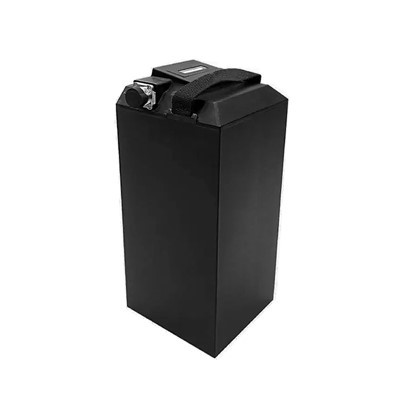
When storing the battery, make sure it's in a proper container. You can use a battery box that's designed to hold the specific size and type of your 60V battery. This will protect the battery from physical damage and prevent any conductive objects from accidentally coming into contact with the terminals. Also, if you're storing multiple batteries, keep them separated. Don't stack them on top of each other or let them touch, as this can increase the risk of a short - circuit.
Correct Installation
Installing the 60V battery correctly is crucial for avoiding short - circuits. Before you start the installation, make sure you have the right tools. You'll need a wrench or a screwdriver to tighten the terminals properly.
When connecting the battery terminals, always connect the positive terminal first and then the negative terminal. This reduces the risk of accidentally short - circuiting the battery during the installation process. Make sure the terminals are clean and free of any corrosion or debris. You can use a wire brush to clean the terminals if necessary.
Tighten the terminal connections securely, but don't over - tighten them. Over - tightening can damage the terminals or the battery casing. After installation, double - check all the connections to make sure they're secure and there are no loose wires.
Using the Right Charger
As I mentioned earlier, using the wrong charger can cause a short - circuit. You should always use a charger that's specifically designed for a 60V battery. Check the charger's specifications to make sure it can handle the voltage and capacity of your battery.
When charging the battery, follow the manufacturer's instructions carefully. Don't leave the battery charging unattended for long periods of time. Overcharging can damage the battery and increase the risk of a short - circuit. Also, make sure the charger is plugged into a proper electrical outlet. Avoid using extension cords or power strips that are overloaded, as this can cause voltage fluctuations and damage the charger and the battery.
Regular Inspections
Regularly inspecting your 60V battery is an important part of preventing short - circuits. Check the battery casing for any signs of damage, such as cracks, dents, or punctures. If you notice any damage, stop using the battery immediately and replace it.
Inspect the battery terminals for corrosion. Corrosion can build up over time and reduce the conductivity of the terminals. If you see any corrosion, you can clean it off using a mixture of baking soda and water. Just make sure to disconnect the battery before cleaning the terminals.
Also, check the wires and connectors for any signs of wear or damage. If the wires are frayed or the connectors are loose, replace them as soon as possible.
Protective Equipment
Using protective equipment can add an extra layer of safety. You can use terminal covers to protect the battery terminals from accidental contact. Terminal covers are usually made of rubber or plastic and can be easily installed over the terminals.
Another useful piece of equipment is a battery isolator. A battery isolator is a device that can prevent the battery from being short - circuited in case of an electrical fault. It works by disconnecting the battery from the rest of the electrical system when it detects a problem.
Product Recommendations
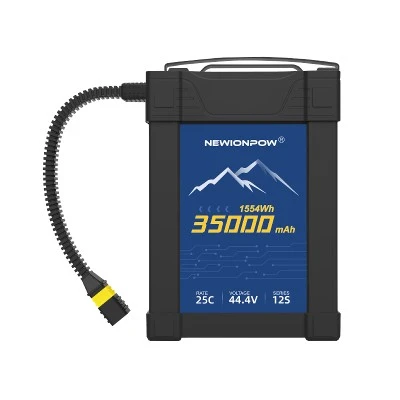
We offer a range of high - quality 60V batteries, such as the 60V 30Ah Lithium Ion Power Battery, 60V 55Ah Lithium Ion Power Battery, and 60V 50Ah Lithium Ion Power Battery. These batteries are designed with safety in mind and are built to last. They come with proper insulation and protection features to reduce the risk of short - circuits.
Contact for Purchase
If you're interested in our 60V batteries or have any questions about battery safety, feel free to reach out. We're always happy to help you find the right battery for your needs and provide you with more information on how to keep it safe.
References
- Battery Safety Guidelines from Industry Standards
- Manufacturer's Manuals for 60V Batteries
- Research on Lithium - Ion Battery Safety